


Views: 222 Author: Leah Publish Time: 2025-12-25 Origin: Site


Content Menu
● Understanding Your Club Car Golf Car Charging System
● Step‑by‑Step: How to Charge a Club Car Golf Car
>> Prepare the Golf Car and Area
>> Connect the Charger Correctly
>> Allow the Charge Cycle to Finish
● How Often Should You Charge a Club Car Golf Car?
● Lead‑Acid vs. Lithium Club Car Golf Car Charging
>> Charging Lead‑Acid Golf Car Batteries
>> Charging Lithium Golf Car Batteries
● Safety Tips When Charging a Club Car Golf Car
>> Ventilation and Fire Safety
>> Electrical and Handling Safety
● Common Charging Mistakes with Club Car Golf Cars
>> Overcharging or Using Outdated Chargers
>> Using the Wrong Charger for the Golf Car
● Golf Car Charger Types and Connectors
>> Older vs. Newer Club Car Golf Car Plugs
>> Matching Charger Handles to the Golf Car
● Basic Troubleshooting When a Club Car Golf Car Will Not Charge
>> Check Power, Connections, and Indicators
>> Reviving Low‑Voltage Club Car Packs
● FAQ
>> 1. How long does it take to charge a Club Car golf car?
>> 2. Can a Club Car golf car stay plugged in all the time?
>> 3. How do I know if my Club Car golf car is charging?
>> 4. Can I use any 48‑volt charger on my Club Car golf car?
>> 5. What should I do if my Club Car golf car batteries will not charge?
Charging a Club Car golf car correctly is the key to getting maximum range, long battery life, and safe daily operation in both personal and commercial settings. This guide explains, in practical detail, how to charge a Club Car golf car, plus safety tips, charger types, troubleshooting, and best practices for long‑term reliability.
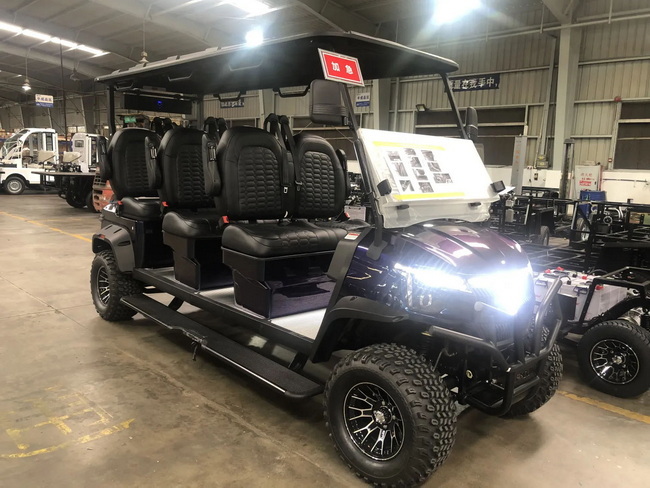
A Club Car golf car can be powered by a 36‑volt or 48‑volt battery pack made from multiple 6‑volt, 8‑volt, or 12‑volt batteries wired in series to reach the system voltage. Many traditional Club Car golf car models use flooded lead‑acid batteries, while newer versions may use AGM or lithium packs with integrated battery management systems.[1][2][3]
Club Car has used different charger styles over the years, including heavy transformer chargers and newer high‑frequency smart chargers such as the E.R.I.C. system that communicate with the onboard computer. On certain 48‑volt Club Car golf car models, the onboard computer controls when charging starts and stops, so the external charger must be compatible with this logic.[4][1]
Correct daily charging habits keep a Club Car golf car ready for use and prevent premature battery failure or unexpected downtime. The same basic process applies whether you operate a private golf car or manage a large fleet of golf car vehicles at a resort or industrial facility.[2][3][5]
Before connecting any charger to a Club Car golf car, the vehicle and environment should be prepared for safety and efficiency. These steps reduce the risk of fire, electrical faults, and accidental vehicle movement during charging.[6][7]
- Park the Club Car golf car on a level surface, turn the key to OFF, and set the parking brake so the golf car cannot roll while plugged in.[7][6]
- Charge the golf car in a well‑ventilated area such as a carport, garage with doors open, or dedicated charging room with adequate airflow.[2][6]
- Make sure the AC outlet is correctly wired, properly grounded, and rated to handle the charger's maximum input current for the golf car.[3][5]
- Keep liquids, flammable products, and clutter away from the charging area around the Club Car golf car, and ensure the charger has room for cooling airflow.[6][7]
Once the area is safe, the next step is connecting the charger to the Club Car golf car in the correct order. This protects both the charger electronics and the golf car's onboard circuits.[5][1]
- Verify that the charger voltage and chemistry settings match your Club Car golf car (for example, 48‑volt lead‑acid pack or 48‑volt lithium pack).[1][2]
- Plug the charger output connector fully into the golf car's charge receptacle, ensuring it seats firmly and does not wobble or spark.[5][1]
- After connecting to the golf car, plug the charger into the wall outlet so the control circuitry powers up and begins the charge cycle.[8][2]
- Check the charger indicators, such as LEDs or an ammeter, to confirm that current is flowing into the Club Car golf car battery pack.[1][5]
A Club Car golf car charger is designed to bring the pack through bulk, absorption, and finishing stages for lead‑acid, or through the appropriate lithium profile if equipped. Interrupting this process repeatedly can reduce capacity over time.[3][2]
- A deep charge on a Club Car golf car battery pack typically takes around 6–8 hours from a normal day's use, though extremely discharged packs may require more time.[8][3]
- Automatic chargers reduce current as the golf car pack nears full charge and shut off or switch to a maintenance mode when charging is complete.[2][1]
- When charging is finished, unplug the AC side of the charger first and then disconnect the charging connector from the Club Car golf car.[7][6]
Owners should charge a Club Car golf car after each use, not just when the pack feels low, to avoid deep discharges and keep the battery pack in a healthy range. Regular top‑up charging is far better for lead‑acid batteries than waiting until the golf car slows or shows a drastic drop in voltage.[3][5][2]
For longer storage periods, it is recommended to keep the Club Car golf car plugged in if the charger and onboard system support automatic maintenance charging. If this is not possible, the golf car batteries should be checked and recharged at least once a month to prevent harmful sulfation and capacity loss.[5][1][2][3]
Club Car golf car models may use different battery chemistries, and each chemistry has its own preferred charging method and behavior. Using a charger designed for the wrong chemistry can lead to poor performance or even damage to the golf car battery pack.[2][3]
Flooded lead‑acid batteries remain common in Club Car golf car fleets because they are cost‑effective and well understood. However, they require consistent maintenance and careful charging to deliver their rated cycle life in golf car applications.[3][2]
- Traditional Club Car golf car lead‑acid packs should be fully charged after each day of use to minimize sulfation and capacity loss.[2][3]
- Battery water levels in a flooded golf car pack should be checked regularly, and only distilled water should be used, added after charging to avoid overflow during gas generation.[3]
- Overcharging a lead‑acid golf car pack can cause excessive heat, increased water consumption, and venting of gases, so automatic shutoff and proper charge times are important.[2][3]
Lithium packs are increasingly used in modern Club Car golf car models and in retrofit kits for older fleets. These golf car packs offer lighter weight and faster charging, but they depend heavily on the battery management system and correct charger pairing.[3][2]
- Lithium Club Car golf car packs must be charged with lithium‑compatible smart chargers using the correct voltage and communication protocols.[2]
- Unlike lead‑acid batteries, lithium golf car packs handle partial charges well, so frequent top‑ups are acceptable and can even help extend pack life.[3][2]
- Using an incompatible charger on a lithium golf car pack can cause poor balancing, undercharging, or protective shutdowns, reducing performance.[2]
Charging involves significant electrical energy, so safe practices are essential whenever a Club Car golf car is plugged in. Safety guidelines are especially important in shared garages or golf car barns where multiple vehicles charge simultaneously.[6][7]
Lead‑acid batteries in a golf car can release hydrogen gas while charging, which is flammable in enclosed spaces. Even sealed batteries and lithium packs benefit from reasonable airflow around the Club Car golf car and charger.[7][6]
- Charge a Club Car golf car only in a space with sufficient ventilation, avoiding tight closets or sealed storage rooms.[6][7]
- Keep open flames, cigarettes, and spark‑producing equipment away from the charging golf car area.[6]
- Avoid leaving a golf car charging unattended for extremely long periods; periodic visual checks help identify hot chargers, smells, or abnormal noises.[7][6]
The interface between the charger and the Club Car golf car must remain in good condition to handle current safely. Bad cables or receptacles raise resistance and heat and can reduce charging efficiency or create hazards.[1][3]
- Inspect charger cords, plugs, and the golf car receptacle frequently and replace worn or damaged parts immediately.[1][3]
- Do not modify connectors or bypass safety interlocks on a Club Car golf car charger system, as this may disable automatic shutoff and protection features.[1]
- Use properly rated extension cords only when truly necessary, and always ensure they are undamaged and fully uncoiled to reduce heat buildup.[9][6]
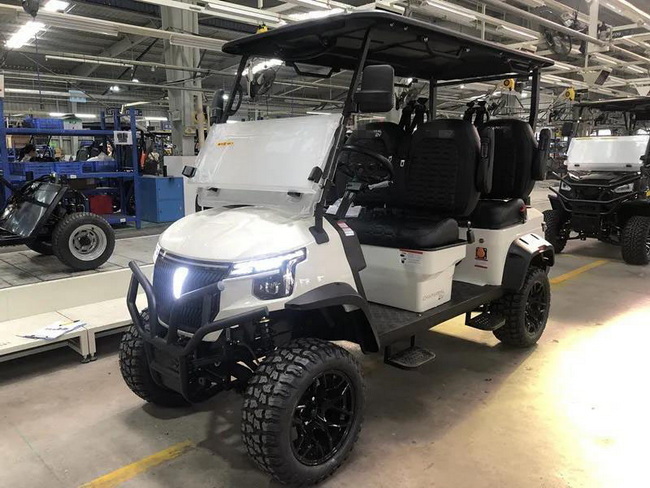
Certain recurring mistakes drastically shorten battery life and create unnecessary expenses in Club Car golf car fleets. Recognizing these behaviors helps operators and maintenance teams extend the usable life of every golf car pack.[3][2]
One of the worst habits is regularly driving a Club Car golf car until it slows dramatically or stops. Deep discharges strain the plates and active materials inside lead‑acid batteries, reducing capacity.[2][3]
- Frequently discharging the golf car pack below about 50% depth of discharge significantly cuts the number of useful cycles the pack can deliver.[3]
- In a fleet environment, rotating Club Car golf car units and charging them promptly after each use prevents extreme discharges on any single golf car.[2][3]
Older, non‑automatic chargers often lack modern regulation and can overcharge a Club Car golf car pack if left unattended for days. Overcharging leads to heating, outgassing, and faster water loss from flooded cells.[7][3][2]
- If the charger does not have an automatic shutoff, owners should monitor charging time closely and disconnect the golf car once fully charged.[7][2]
- Upgrading to a modern smart charger designed for the specific Club Car golf car model reduces the risk of chronic overcharge or undercharge.[1][2]
Not all chargers that match voltage on paper are suitable for a particular Club Car golf car. Some systems rely on communication between the charger and the onboard computer to manage the profile.[10][1]
- Certain 48‑volt Club Car golf car chargers with round three‑pin plugs are not interchangeable with other brands and depend on the onboard computer to terminate charging.[1]
- Mixing plugs or adapters between Club Car, EZGO, and Yamaha golf car systems can damage connectors or prevent a correct charge profile from running.[10][1]
Understanding charger and connector types helps owners and fleet managers select compatible replacements for every Club Car golf car in service. A mismatch can prevent charging or, worse, lead to unsafe operating conditions for the golf car.[10][1]
Over time, Club Car has updated connector designs to improve reliability and support newer electronics in each golf car. Some older systems remain in service, especially in long‑lived golf car fleets.[10][1]
- Older 36‑volt Club Car golf car models often use a “crowfoot” style plug with two angled blades, while many 48‑volt units moved to round three‑pin plugs.[10]
- Later Club Car golf car conversions and aftermarket upgrades may use SB‑style high‑current connectors that are common on performance chargers.[10][1]
Choosing or replacing a charger means confirming more than just the voltage and amperage; the handle and control logic must match the golf car receptacle and electronics. A correctly matched system ensures safe, complete charging for the Club Car golf car.[10][1]
- Always match the physical connector type on the charger to the exact receptacle installed on the Club Car golf car rather than forcing an approximate fit.[10]
- When purchasing a replacement charger for a fleet of golf car vehicles, verify plug type, system voltage, and whether the golf car uses an onboard computer to control charging.[1][10]
If a Club Car golf car fails to begin a charge cycle, simple diagnostic steps can often identify the cause before professional service is required. A systematic approach avoids unnecessary parts replacement on the golf car and charger.[1][3]
Many charging problems arise from basic electrical issues rather than internal charger failure. Always start with the simplest possible faults on the golf car and supply side.[3][1]
- Confirm that the wall outlet supplying the Club Car golf car charger is live by testing with another device or circuit tester.[5][1]
- Inspect the charger plug, cable, and golf car receptacle for damage, corrosion, or loose contacts; clean or replace parts as needed.[3]
- Observe any error codes or blinking lights on the charger when it is connected to the golf car, and consult the manual for their meanings.[1]
Sometimes a Club Car golf car pack is so deeply discharged that the smart charger will not recognize a valid voltage, and therefore refuses to start charging. This can happen if the golf car has been stored for a long time without charging.[1][3]
- In such cases, technicians may briefly charge individual 6‑volt or 12‑volt batteries with an automotive charger to raise pack voltage to a level the main golf car charger can detect.[1]
- If a 48‑volt Club Car golf car still refuses to charge after connections are corrected and pack voltage is restored, a malfunctioning onboard computer or defective charger may be preventing a normal cycle.[1]
Charging a Club Car golf car correctly is not complicated, but it does require attention to charger compatibility, safe connection procedures, and regular charging after every use. By respecting battery chemistry, avoiding deep discharges, and following ventilation and inspection guidelines, owners and fleet managers can dramatically extend the life and reliability of each Club Car golf car in service.[5][2][1]
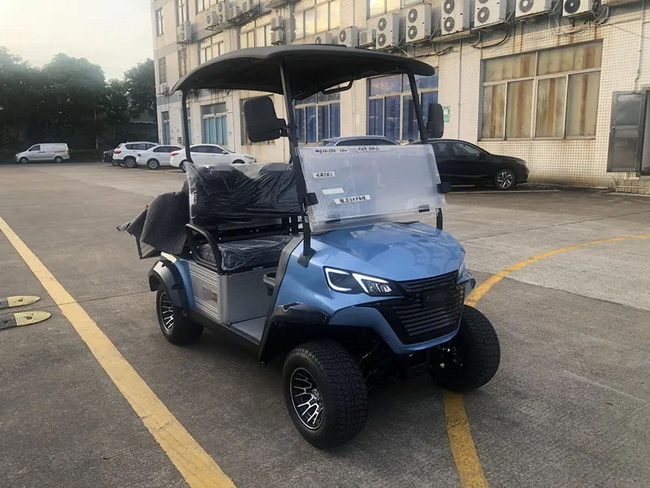
A typical Club Car golf car with a healthy lead‑acid battery pack needs about 6–8 hours to reach full charge after normal use. Very deeply discharged packs or aging batteries may require more time, while modern lithium Club Car golf car packs can often recharge faster with compatible smart chargers.[8][2][3]
Many Club Car manuals indicate that, with an appropriate automatic charger, the golf car can stay plugged in so the system can maintain the pack during storage. If using an older non‑smart charger, however, the Club Car golf car should not be left plugged in for days without supervision to avoid overcharging and excess heat.[5][7][2][1]
Most Club Car golf car chargers feature an ammeter or status lights that indicate when current is flowing to the battery pack. Some newer golf car models also show charging status or approximate state of charge on a dashboard display or indicator panel while plugged in.[5][2][1]
Not every 48‑volt charger is suitable for a Club Car golf car; certain models rely on an onboard computer and specific plug types to control the charge cycle. For safety and battery health, owners should use chargers that match the exact voltage, connector style, and battery chemistry required by their Club Car golf car.[2][1]
When a Club Car golf car will not charge, first verify outlet power, inspect charger and battery connections, and look for visible damage or corrosion. If pack voltage is extremely low, briefly boosting individual batteries with an automotive charger may allow the main Club Car golf car charger to start; persistent failure points to possible charger or onboard computer issues.[3][1]
[1](https://www.golfcartgarage.com/golf-cart-charger-not-working-learn-how-to-test-a-golf-cart-battery-charger/)
[2](https://boltenergyusa.com/best-practices-for-charging-golf-cart-batteries/)
[3](https://carts-and-parts.com/golf-cart-battery-charging-tips/)
[4](https://www.clubcar.com/-/media/project/milky-way/clubcar/clubcar-documents/pdf/literature/commercial/carryall/eric-sell-sheet---final.pdf)
[5](https://www.completecartservices.com/owners-manual/)
[6](https://discover.pbc.gov/pbcfr/CRRD/Pages/Golf-Cart-Safety.aspx)
[7](https://useppafire.org/golf-cart-safety%2Fcharging)
[8](https://www.youtube.com/watch?v=0ogdciJ4wTo)
[9](https://www.youtube.com/watch?v=dfjoviywauc)
[10](https://www.youtube.com/watch?v=msE5RTIraqY)
[11](https://www.youtube.com/watch?v=YbL-dEH6Vxw)
[12](https://www.youtube.com/watch?v=pNb6riRLXMM)
[13](https://www.youtube.com/watch?v=fWdamUGgvrw)


