


Views: 222 Author: Leah Publish Time: 2026-02-04 Origin: Site


Content Menu
● Average Price Range of a Used Electric Golf Cart
● Key Factors That Affect Used Electric Golf Cart Cost
>> Battery Type and Battery Health
>> Seating Capacity and Body Style
>> Upgrades, Accessories, and Street‑Legal Kits
● Used Electric vs Used Gas Golf Cart Costs
● Ownership Costs Beyond the Purchase Price
>> Maintenance, Repairs, and Upgrades
>> Energy Costs
● How to Evaluate a Used Electric Golf Cart Before Buying
>> Inspect Battery Pack and Charging System
>> Test Drive and Functional Check
>> Frame, Body, and Chassis Condition
>> Verify Year, Model, and Service Records
● FAQ
>> 1. What is a fair price for a used electric golf cart in good condition?
>> 2. How much should I budget for new batteries on a used electric golf cart?
>> 3. Are used electric golf carts cheaper to own than used gas carts?
>> 4. How old is too old for a used electric golf cart?
>> 5. Is it better to buy a used electric golf cart from a dealer or a private seller?
Used electric golf carts are one of the most cost‑effective ways to get into personal or commercial electric vehicles, whether you are buying a single cart or sourcing OEM units for your own brand. As demand grows in communities, resorts, campuses, factories, and golf courses, understanding real‑world prices and cost drivers helps you make a smarter decision and avoid overpaying.
This guide explains typical price ranges, key factors that affect cost, how electric compares with gas, and what to look for when evaluating a used electric golf cart. Whether you are a private buyer or a business importing OEM electric golf carts from a manufacturer, you will find practical, actionable information throughout.
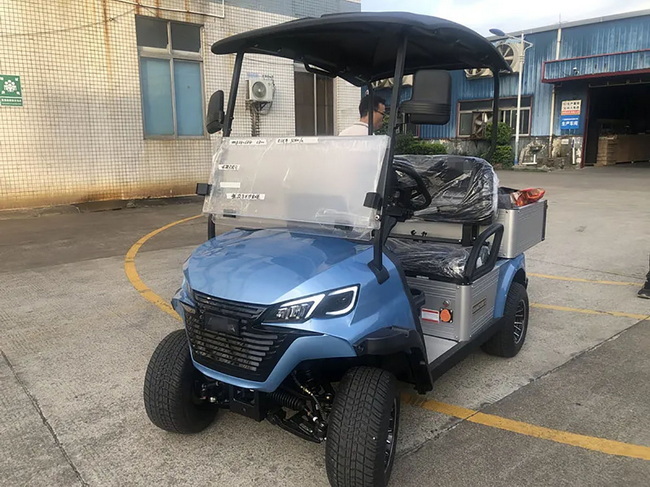
Most used electric golf carts fall into a fairly predictable price band once you understand age, condition, and features. While exact numbers vary by region and season, the underlying structure of the market remains similar in many countries.
- Typical used electric golf cart prices range from about 2,000 to 7,000 USD for mainstream models in decent condition.
- Budget older units, often over 8 years old and with basic equipment, can be found around 1,500 to 3,000 USD.
- Well‑maintained, mid‑range electric golf carts with some upgrades usually sell in the 3,500 to 6,000 USD range.
- Premium or customized used electric golf carts with advanced features, lithium batteries, or street‑legal equipment can exceed 7,000 USD and sometimes approach 10,000 USD.
For example, a basic two‑seat fleet cart that spent its first life on a golf course may sell for around 2,500–3,500 USD once retired, while a four‑seat neighborhood electric golf cart with light kit, custom wheels, and a recent battery pack could easily reach 5,000–6,500 USD on the used market.
Several technical and market factors can dramatically change what you will pay for a used electric golf cart. Smart buyers look at more than just the year and the paint.
The newer and cleaner the electric golf cart, the more you will pay. A cart that is only 1–3 years old and has been maintained as part of a managed fleet usually sits near the upper end of the used price range. Older units, especially those with more than 8–10 years of use, tend to drop in price but may require more maintenance and possible battery replacement.
Cosmetic condition also matters. Carts with faded bodies, torn seats, or cracked roofs may be cheaper, but these issues can be expensive to correct if you want a professional appearance for a resort, hotel, or real estate development. On the other hand, if you need an electric golf cart for purely functional use inside a factory or warehouse, cosmetic flaws might be an acceptable trade‑off for a lower purchase price.
For any used electric golf cart, the battery pack is the most important and most expensive component. Many used electric golf carts still use flooded lead‑acid batteries. A full pack of these batteries can cost several hundred to over 1,000 USD to replace, depending on the number and capacity of batteries in the system.
Lithium‑ion batteries are increasingly common in newer electric golf carts. They last longer, charge faster, provide more consistent performance, and require far less maintenance than lead‑acid packs. However, they increase both new and used cart prices. In some cases the lithium battery pack alone may represent a large share of the total value of the electric golf cart.
When evaluating a used electric golf cart, always ask:
- The age of the batteries.
- How often they were charged and maintained.
- Whether they were stored for long periods without charging.
A used electric golf cart with nearly new batteries will command a noticeable premium versus the same cart with batteries close to the end of their life. Sometimes it is smarter to pay more upfront for excellent batteries than to buy a cheaper cart and immediately invest in a replacement pack.
Brand reputation strongly influences the resale value of an electric golf cart. Well‑known names in the industry typically hold value better because buyers trust their reliability, parts availability, and service network. Even on the used market, recognition of the brand can add hundreds of dollars to the price of an electric golf cart with similar features.
However, lesser‑known brands or specialized manufacturers may offer excellent value. Some factories produce electric golf carts as OEM suppliers for foreign brands, meaning the quality and engineering are solid even if the name on the vehicle is unfamiliar in your local market. For wholesale buyers, working directly with an OEM electric golf cart manufacturer is often the most cost‑effective way to get consistent quality at competitive prices under your own brand.
How many passengers you need to carry will also affect price. A simple two‑seater electric golf cart is generally the cheapest configuration and is ideal for traditional golf course use or single‑driver internal transport. In contrast, four‑seat and six‑seat electric golf carts are more popular in residential communities, hotels, and tourist areas where families and groups ride together.
- Two‑seater electric golf carts in used condition often range from about 2,000 to 4,000 USD, depending on age and battery status.
- Four‑seater electric golf carts more commonly sell between 4,000 and 6,000 USD, especially when they are in good condition with some upgrades.
- Larger shuttle‑style electric vehicles, such as 6‑ or 8‑passenger people movers or low‑speed vehicles used for sightseeing and campus transport, can easily occupy the 5,000–10,000+ USD used range.
Utility‑style electric golf carts, with a rear cargo bed or box instead of rear seats, form another important category. These vehicles are widely used in factories, warehouses, hotels, and parks. Their prices depend heavily on payload, customization, and whether they were designed for industrial duty.
Optional components can turn a basic electric golf cart into a premium utility or lifestyle vehicle, and these upgrades show up in the used price. Typical add‑ons include:
- Lift kits and off‑road tires for hunting, farms, or rough terrain.
- Higher‑quality seats, armrests, and custom upholstery for comfort.
- Extended roofs and folding windshields for better weather protection.
- Light kits, turn signals, mirrors, and horns to meet local street‑legal requirements.
- Upgraded motors or controllers for higher speed and better hill‑climbing performance.
A used electric golf cart equipped with many of these extras will cost more but may save you considerable money compared with buying a basic cart and upgrading it later. It is important to check that all modifications were installed correctly and safely, especially if the electric golf cart will be used on public streets where regulations are stricter.
Local demand can make the same used electric golf cart more expensive in one region than another. In high‑demand resort, coastal, or retirement areas where carts are a common alternative to cars, prices tend to be higher simply because more people are looking to buy. In contrast, in regions with lower adoption of electric golf carts, sellers may accept lower prices, especially for older stock.
Seasonality also matters. In some markets, demand peaks in spring and summer when golf courses are busy and families spend more time outdoors. Buying a used electric golf cart in late autumn or winter can sometimes secure better pricing.
Although this article focuses on the electric golf cart, many buyers compare electric and gas models before deciding. Both have advantages, but electric golf carts are becoming increasingly popular for residential, commercial, and industrial use.
For similar age and configuration, quality used gas carts often average a bit higher than comparable electric golf carts, especially in four‑seat models. However, the difference is not always dramatic at the purchase stage. The real cost separation appears over time:
- Electric golf carts usually have lower “fuel” costs because electricity is cheaper than gasoline per mile.
- Electric golf carts have fewer moving parts, which can reduce some types of maintenance.
- Gas carts may still have an advantage where extremely long range or continuous operation is needed, but this gap is closing as battery technology improves.
For many families, communities, and resorts, a used electric golf cart offers the best combination of quiet operation, low emissions, and reasonable total cost of ownership.
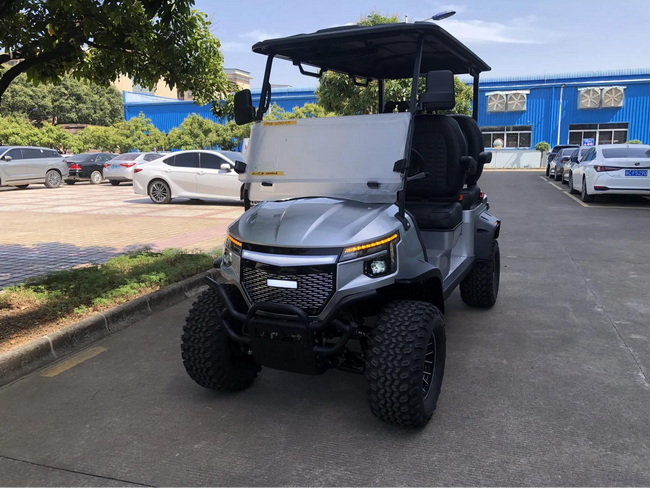
The sticker price is only one part of what a used electric golf cart really costs over time. To calculate your total cost, add up the purchase price, expected battery replacements, regular maintenance, and energy use.
You should always plan for at least one battery replacement cycle when you buy a used electric golf cart. Even if the current pack is in good condition, it will eventually wear out. Replacement battery packs can easily add 800–1,500 USD or more, depending on:
- Whether you choose lead‑acid or lithium‑ion.
- The voltage and capacity of the pack.
- The brand and quality of the batteries.
When negotiating, factor in how old the current batteries are and whether they still hold a strong charge under load. If the seller has already replaced the batteries recently and can show receipts, you can safely value that as part of the price of the electric golf cart.
Electric golf carts are mechanically simpler than gas carts, but they still require maintenance. Routine tasks include checking and tightening connections, lubricating moving parts, inspecting brakes and steering, and monitoring tire wear. Over time, components such as suspension bushings, bearings, and controllers may need replacement.
The good news is that, compared with gas‑powered carts, an electric golf cart has no engine oil, fuel system, exhaust, or many of the complex parts that can fail on a combustion vehicle. This often means lower maintenance bills over the life of the cart.
You may also want to budget for upgrades. For example, you might buy a basic used electric golf cart and then add a rear seat kit, better lights, or a weather enclosure later. Planning this ahead helps you compare the cost of an already‑upgraded cart against one you will customize yourself.
Electricity costs less than gasoline in most regions, particularly if you charge your electric golf cart overnight at home or at your business. While the exact numbers depend on your utility rates and how far you drive, many owners report that the energy cost per month for an electric golf cart is relatively small.
This low running cost is one reason electric golf carts have become so popular in gated communities, tourist towns, and large industrial facilities. When fleets of electric golf carts are used in hotels, factories, or parks, the savings in fuel and simplified logistics can be significant over several years.
Whether you are a private buyer or sourcing OEM units, a structured checklist helps you judge the real value of a used electric golf cart. Taking time to evaluate properly can save large amounts of money and frustration later.
Batteries and charger form the heart of an electric golf cart. Start with the basics:
- Check the battery compartment for corrosion, leaking, swollen cases, or damaged cables.
- Ask the seller about the age and brand of the batteries and how they were maintained.
- Confirm that the charger matches the cart and operates correctly from start to finish of a charge cycle.
If possible, test how long the electric golf cart can drive on a single charge under realistic conditions. A short range can indicate tired batteries or other electrical problems.
A brief road test reveals the behavior of the electric golf cart under real conditions. During the test drive:
- Listen for clunks, squeaks, or grinding noises when accelerating, braking, or turning.
- Check that the cart accelerates smoothly and does not hesitate or surge unexpectedly.
- Verify that brakes are strong and consistent, without pulling to one side.
- Ensure that lights, horn, indicators, and any other accessories operate properly.
If your local regulations allow electric golf carts on public roads, pay extra attention to safety equipment such as mirrors, reflectors, and brake lights.
The structural integrity of the electric golf cart is critical for long‑term use. Look underneath the cart for:
- Rust on the frame, especially in humid or coastal regions.
- Cracks or poorly done welds around suspension mounting points.
- Bent or twisted components that might indicate a past crash.
On the exterior, inspect the roof supports, body panels, seat bases, and floor. Cosmetic issues can be fixed, but a severely rusted or damaged frame is often a reason to walk away, no matter how attractive the price.
Good documentation protects you from surprises and helps in future resale. Ask the seller to confirm:
- The exact model and year of the electric golf cart using the serial number.
- Any major repairs that have been performed, especially to the electrical system or frame.
- Any upgrades installed, such as new motors, controllers, or battery packs.
A seller who can show regular service records and receipts demonstrates that the cart was cared for, which justifies a higher price and gives you more confidence in the purchase.
In most markets, a used electric golf cart will cost roughly 2,000–7,000 USD, with older basic models on the low end and upgraded or premium carts reaching 10,000 USD or more. Age, battery type and condition, brand, seating capacity, and accessories all combine to determine the final price of any individual electric golf cart.
When you evaluate a used electric golf cart, focus on battery health, structural condition, and documented service history rather than just appearance. Always factor the cost of future battery replacement into your negotiations, and consider your long‑term plans for upgrades and usage.
Buyers who carefully compare dealer and private‑seller offers, inspect each electric golf cart thoroughly, and choose the right configuration for their needs can secure long‑lasting value at a far lower cost than buying new. For business customers and international brand owners, working with an experienced OEM manufacturer of electric golf carts can further optimize cost, quality, and customization.
Contact us to get more information!
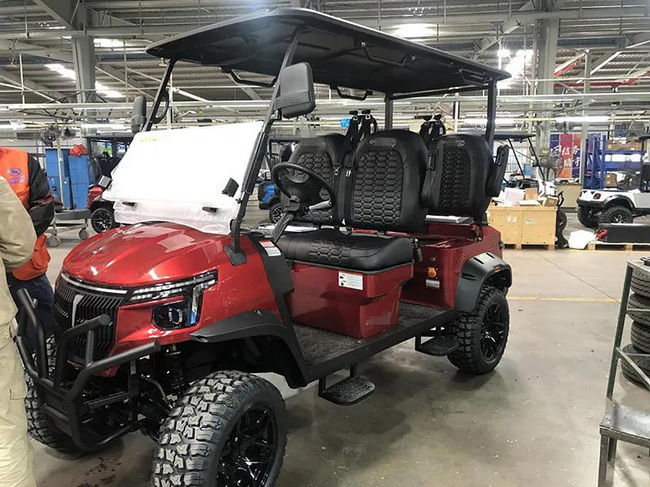
For a typical two‑ or four‑seat electric golf cart in solid condition with reasonably fresh batteries, a fair price range is usually around 3,500 to 6,000 USD. The final figure depends on age, brand, seating capacity, and whether it includes upgrades such as lights, lift kits, or premium seats. If the cart has a nearly new battery pack, it is normal to pay toward the upper end of this range.
If you buy a used electric golf cart that will soon need batteries, you should plan on 800–1,500 USD for a full replacement pack in most mainstream carts. Basic lead‑acid batteries usually sit at the lower end of that range, while higher‑capacity or premium brands cost more. Lithium‑ion conversions or replacements can cost significantly more but provide longer life and better performance.
Over time, most owners spend less on energy and routine maintenance with a used electric golf cart compared with a similar gas cart. Electricity is usually cheaper per mile than gasoline, and the simpler design of an electric drive system often reduces the number of parts that can fail. While every situation is different, many families, communities, and businesses find that an electric golf cart delivers a lower total cost of ownership.
There is no strict age limit, but many buyers consider 8–10 years the point where they scrutinize an electric golf cart very closely. At this age, battery packs may have been replaced at least once, and frames or suspension components may show more wear, especially in harsh climates. A well‑maintained older electric golf cart with good documentation and a strong battery pack can still offer good value at the right price.
Dealers usually charge more than private sellers but often provide inspection, limited warranties, and after‑sales support, which reduces risk and saves time. Private sellers may offer lower prices, but you must rely on your own inspection and negotiation skills, and you typically have no formal protection if problems arise. The best choice depends on your budget, technical confidence, and how much you value convenience versus potential savings.
[1] https://carts-and-parts.com/how-much-does-a-used-golf-cart/
[2] https://golfcarts.com/how-much-does-a-golf-cart-cost/
[3] https://golfcartsearch.com/blog/how-much-is-a-golf-cart-pricing-buyers-guide-2026
[4] https://www.reddit.com/r/golfcarts/comments/1gz5bzj/how_much_for_a_decent_used_four_seater_electric/
[5] https://evtitan.com/what-factors-influence-the-price-of-electric-golf-carts/
[6] https://hartvillegolfcarts.com/the-average-price-of-a-golf-cart-in-2024/
[7] https://hartvillegolfcarts.com/how-much-is-a-golf-cart-used-a-general-pricing-guide/
[8] https://gettingusedtosuccess.com/used-golf-cart-prices-guide/
[9] https://ecoplaneta.com/how-much-does-a-golf-cart-cost/
[10] https://carts-and-parts.com/how-much-does-a-golf-cart-cost/
[11] https://www.horsecreekgolf.com/2024/11/19/how-much-does-a-used-golf-cart-cost/
[12] https://thegolfmine.com/used-golf-cart-cost/
[13] https://www.revel42.com/how-much-do-golf-carts-cost/
[14] https://golfcartsearch.com/blog/used-golf-cart-buying-guide-what-to-look-for-2026
[15] https://hartvillegolfcarts.com/how-much-does-used-golf-carts-cost/


