


Views: 222 Author: Leah Publish Time: 2026-02-04 Origin: Site


Content Menu
● Average Price of a New Electric Golf Cart
● Typical Electric Golf Cart Price Ranges
>> Entry‑Level New Electric Golf Carts
>> Mid‑Range New Electric Golf Carts
>> Premium and Customized Electric Golf Carts
● Key Factors That Affect Electric Golf Cart Cost
>> Motor Power and Performance
>> Seating Capacity and Body Style
>> Street‑Legal and Safety Features
>> Brand, OEM Source, and Components
● Cost of Batteries for a New Electric Golf Cart
>> Replacement and Long‑Term Value
● Price Differences by Electric Golf Cart Type
>> Classic Electric Golf Cart for Golf Courses
>> Sightseeing and Resort Shuttle Electric Carts
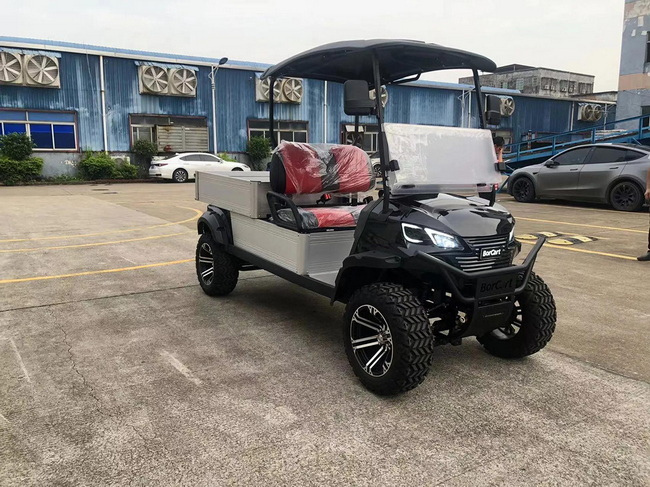
>> Hunting and Multi‑Purpose Electric Golf Carts
● How OEM Manufacturing Affects Your Electric Golf Cart Cost
>> OEM Electric Golf Cart Advantages
>> Component Quality and Price Balance
● Where a Manufacturer Like BorCart Fits In
>> OEM Focus on Electric Golf Carts
>> Flexible Specifications and Export Support
● Practical Buying Tips for a New Electric Golf Cart
>> Consider Total Cost of Ownership
● FAQ About New Electric Golf Cart Prices
>> 1. How much does a basic new electric golf cart cost?
>> 2. Is a lithium‑powered electric golf cart worth the higher price?
>> 3. Why are some electric golf carts more expensive than others?
>> 4. How often will I need to replace batteries in an electric golf cart?
>> 5. Can OEM sourcing really lower the cost of a new electric golf cart for my brand?
Buying a new electric golf cart is a smart way to get quiet, low‑maintenance transportation for golf courses, resorts, gated communities, campuses, and commercial sites. Understanding how much a new electric golf cart costs—and what drives those costs—helps you choose the right model and specification at the right budget.
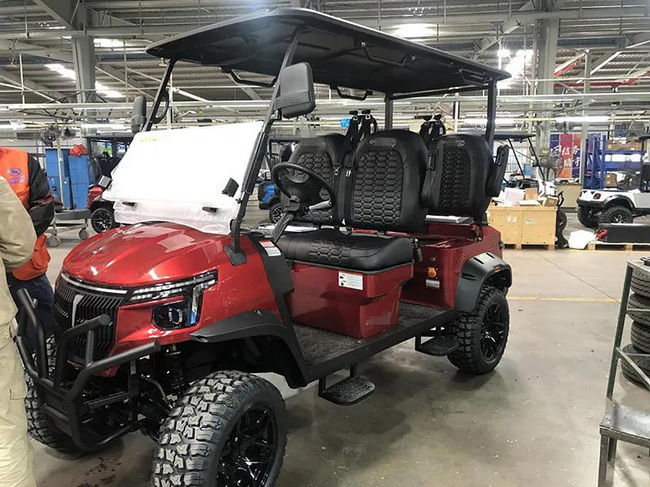
In recent years, most new electric golf cart models for personal or light‑commercial use have generally fallen between 5,000 and 15,000 USD depending on configuration. Budget two‑seat electric golf carts from value‑driven and OEM‑focused manufacturers can start around 4,000–6,000 USD, while premium four‑ or six‑seat models from major global brands often start above 10,000 USD and can exceed 15,000 USD once you add upgrades.
These price bands are wide because an electric golf cart is no longer a single, simple product. Modern buyers can choose different batteries, motors, safety features, and body styles, so the final cost will always depend on how you balance performance and comfort with your target budget.
Different buyers and applications need different levels of performance and customization, so it helps to look at common price brackets for a new electric golf cart. This gives you a realistic starting point before you begin requesting quotations or designing your own OEM specification.
Entry‑level new electric golf carts are typically focused on basic transport and simple golf course use. These models:
- Usually cost around 4,000–7,000 USD for a two‑seat configuration.
- Come with lead‑acid batteries, simple frames, basic suspension, and standard lighting.
- Prioritize reliability, ease of use, and low initial cost over advanced technology.
An entry‑level electric golf cart is a good choice for golf clubs that mainly need quiet, dependable movement across relatively flat terrain. It also suits residential buyers who want an affordable vehicle for gated communities or private property without many extra features.
Mid‑range models show how much flexibility you can get when you invest a little more in a new electric golf cart. Typical characteristics include:
- Pricing roughly between 7,000 and 12,000 USD depending on seating and options.
- Availability of four‑seat and sometimes six‑seat configurations.
- Improved motors, more stylish bodywork, better seats, and stronger lighting.
- Optional or standard lithium batteries in some versions.
Many customers consider mid‑range electric golf carts the “sweet spot” between cost and comfort. These units can cover larger resorts, bigger residential communities, and small commercial operations without feeling stripped down or underpowered.
At the top of the market, a new electric golf cart can be a premium lifestyle or commercial statement. These carts often:
- Range from about 12,000 to well beyond 20,000 USD.
- Use powerful AC motors, long‑range lithium battery systems, and advanced controllers.
- Offer luxury interiors with upgraded seating, digital displays, and entertainment systems.
- Integrate street‑legal kits and advanced safety equipment where regulations permit.
Premium and custom electric golf carts are popular with high‑end resorts, luxury residential projects, and buyers who want a personalized vehicle with automotive‑style quality. They are also common in commercial shuttle fleets where comfort and appearance strongly influence guest experience.
Price is not random: several core technical and specification choices shape the final cost of a new electric golf cart. By understanding these factors, you can design a configuration that meets both performance and budget goals.
Battery choice is one of the biggest drivers of cost in an electric golf cart.
- Lead‑acid batteries
Lead‑acid packs remain popular thanks to their lower purchase price. They are well known, widely available, and familiar to many maintenance teams. However, they are heavier, require more maintenance, and typically have a shorter lifespan.
- Lithium‑ion batteries
Lithium systems cost significantly more upfront, but they deliver higher energy density, reduced weight, faster charging, and longer cycle life. For fleets and intensive users, a lithium‑equipped electric golf cart can provide better long‑term value, even though the initial invoice is higher.
Larger capacity—measured in amp‑hours—also raises the cost, but it improves range and reduces the need for mid‑day charging. When specifying a new electric golf cart, you should match capacity to daily route length and loading conditions instead of simply choosing the smallest pack.
The motor defines how an electric golf cart feels on hills, across rough terrain, and under full passenger load.
- Standard motors in the 3–5 kW range work well for flat golf courses and light use.
- Stronger AC motors with higher torque are suited to resorts with steep slopes, hunting environments, or multi‑purpose carts that regularly carry heavy loads.
Higher‑power motors and matching controllers raise the cost because they use more advanced components and generate more heat that must be managed correctly. However, they can also prevent slow climbs, stalling, or premature wear when the electric golf cart is used in challenging conditions.
A classic golf electric golf cart with two seats is naturally cheaper than a long multi‑row shuttle. The structure, chassis length, roof system, and braking requirements all increase with passenger capacity.
Common configurations include:
- Two‑seat electric golf cart for traditional golf and light personal use.
- Four‑seat electric golf cart, sometimes with a rear flip seat that can convert into a small cargo platform.
- Six‑seat or more for resort shuttle, sightseeing bus, and campus transport.
As seating increases, price rises, but earning potential may also grow in commercial operations where you can transport more passengers per trip.
In many regions, a basic electric golf cart cannot drive on public roads. Turning it into a low‑speed vehicle or neighborhood electric vehicle often requires extra safety equipment and compliance work.
Typical additions include:
- Headlights, tail lights, brake lights, and turn signals.
- Reflectors, side mirrors, and rear‑view mirrors.
- Seat belts for all seats and reinforced body structures.
- Windshields, wipers, horns, and other regulatory items.
These parts add cost, and in some countries certification or homologation processes also contribute to the final price. However, a street‑legal electric golf cart can replace short‑distance car trips in communities and on campuses, which greatly increases its value.
Prices vary depending on whether you buy a branded retail vehicle or work directly with an OEM manufacturer.
- Well‑known global brands often charge higher prices to cover marketing, dealer networks, and brand premiums.
- OEM manufacturers in China and other industrial hubs specialize in high‑volume production and direct export, supporting overseas brands, wholesalers, and other producers.
Component choices also play a major role. Electric golf carts that use proven controllers, motors, and chargers from recognized suppliers cost more than generic alternatives but bring higher reliability, better diagnostics, and stronger after‑sales support.
Because batteries account for such a large part of total ownership cost, it is wise to look at both the initial spend and long‑term replacement outlook.
The upfront cost of a battery system depends on chemistry, capacity, and brand positioning.
- A complete lead‑acid pack for an electric golf cart is usually the most affordable option.
- A lithium‑ion pack provides greater energy density and longer life but can easily add several thousand dollars to the total vehicle price.
When comparing quotations, always confirm:
- Voltage and capacity of the pack.
- Expected cycle life under your typical use pattern.
- Warranty duration and coverage conditions.
- Charging time from standard and fast chargers.
Batteries are consumables. In a typical electric golf cart:
- Lead‑acid packs often need replacement every few years, especially in intensive fleet service.
- Lithium packs can last significantly longer before capacity falls below acceptable levels.
If your electric golf cart will operate daily in a commercial environment, total cost of ownership may favor a higher‑priced lithium system because you avoid multiple replacement cycles and reduce downtime. On the other hand, for low‑usage private owners, a simple lead‑acid pack may still be the most economical choice.
A modern electric golf cart platform can be tuned for far more than traditional golf. Different body and feature packages match different markets.
The classic golf configuration remains the most recognizable type of electric golf cart. It is usually:
- Two‑seat, sometimes four‑seat with a rear seat or bag carrier.
- Equipped with turf‑friendly tires to protect greens and fairways.
- Focused on easy controls and quiet operation.
These vehicles sit at the lower to middle end of the price spectrum and are often ordered in large fleets by golf clubs and resorts. A standard specification electric golf cart is often the most cost‑effective choice in this segment.
Sightseeing and resort shuttle models are essentially extended electric golf carts built to move more people in comfort. Typical features include:
- Multiple seating rows, sometimes with forward‑ and backward‑facing seats.
- Extended roofs for sun and rain protection.
- Optional onboard audio systems or communication equipment.
Because these vehicles use larger chassis and battery packs, they naturally cost more. However, they generate strong value where guest experience and transport efficiency are critical.
Hunting and multi‑purpose electric golf carts are designed for rougher conditions and more demanding duties.
These models may feature:
- Lifted suspensions and all‑terrain tires for off‑road access.
- Stronger motors and higher‑capacity battery systems.
- Cargo beds, racks, or towing points for tools and gear.
They usually sit in the upper mid‑range to premium price bands, depending on how aggressive the off‑road package is. Many buyers choose them because they combine quiet electric operation with the practicality of a small utility vehicle.
OEM cooperation can significantly influence both the price and flexibility of a new electric golf cart, especially if you are a brand owner, wholesaler, or manufacturer serving overseas markets.
Working directly with an OEM manufacturer delivers several benefits:
- Private‑label possibilities, where you can put your own brand and design language on an electric golf cart platform.
- Freedom to specify seating layouts, lighting packages, battery types, paint schemes, wheels, and accessories.
- Better control over per‑unit cost because you are not paying retail margins or dealer markups.
For companies that want to build a long‑term presence in the electric golf cart world, OEM partnerships allow them to offer differentiated products while keeping prices attractive.
A good OEM manufacturer balances cost and quality by selecting well‑known components where they matter most. For example:
- Reputable controllers ensure smooth acceleration and reliable braking feedback.
- Recognized motor brands provide consistent torque and long service life.
- Quality chargers protect the battery pack and simplify after‑sales support.
By combining these components with efficient local manufacturing, an OEM can deliver an electric golf cart that feels close to high‑end branded models while still offering competitive pricing, especially for volume orders.
For overseas brands, wholesalers, and other producers, partnering with a specialized OEM manufacturer is often the most efficient way to bring a new electric golf cart range to market.
A professional electric vehicle manufacturer that focuses strongly on golf carts and related low‑speed vehicles can:
- Offer tailored OEM and ODM services to foreign brand owners and distributors.
- Provide a wide product line including electric golf carts, sightseeing buses, low‑speed vehicles, hunting carts, and multi‑purpose utility vehicles.
- Adapt styling, colors, logos, and optional equipment to match each partner's brand identity.
This approach helps foreign partners launch or expand their electric golf cart portfolios quickly without needing to build their own factories.
An OEM factory experienced in export markets understands certification standards, packaging, and logistics for long‑distance shipping. It can:
- Recommend motor and battery combinations that suit local terrain and climate in the destination country.
- Offer technical documentation, training, and spare parts support to help partners manage fleets effectively.
- Adjust specifications for left‑hand or right‑hand drive and other regional requirements.
With this support, international partners can focus on marketing, sales, and after‑sales service, while the OEM handles engineering and production of the electric golf cart itself.
Before placing an order, it is wise to match electric golf cart specifications to your real‑world usage and long‑term cost expectations. Rushing into the lowest or highest price point without analysis can reduce value.
Start by defining exactly how and where the electric golf cart will be used:
- Golf course fleets: Focus on reliability, easy servicing, and standard comfort features.
- Resorts and hotels: Pay more attention to quietness, aesthetics, and passenger comfort.
- Gated communities and campuses: Consider street‑legal equipment and safety features.
- Industrial or agricultural sites: Emphasize motor torque, durability, and cargo capacity.
- Hunting and off‑road: Prioritize ground clearance, traction, and weather protection.
Once your primary use case is clear, draw a line between “must‑have” and “nice‑to‑have” features. This simple step prevents unnecessary cost creep in your electric golf cart specification.
Comparing only the initial invoice for a new electric golf cart can be misleading. Instead, think about:
- Electricity consumption over years of use.
- Interval and cost of routine service and spare parts.
- Battery replacement cycles and the price of each pack.
- Expected resale value based on brand reputation and component quality.
Sometimes a slightly more expensive electric golf cart with durable components and a better battery system will cost less in the long run than a cheaper alternative with high maintenance needs.
A new electric golf cart can cost anywhere from about 4,000 USD for a basic two‑seat model up to more than 15,000 or even 20,000 USD for a premium, customized multi‑seat version with lithium power and luxury‑level features. The final price is shaped by battery chemistry and capacity, motor power, seating layout, safety and street‑legal equipment, component quality, and whether you work with retail brands or directly with an OEM manufacturer.
By understanding these cost drivers, you can specify an electric golf cart that truly matches your environment, workload, and budget. Golf courses can select reliable fleets, resorts can design comfortable shuttles, and wholesalers or brand owners can collaborate with OEM partners to launch complete electric golf cart product lines that combine performance, durability, and competitive pricing.
Contact us to get more information!
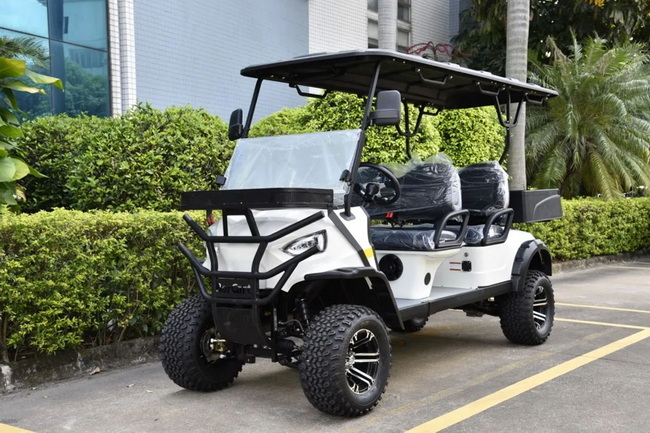
A basic two‑seat new electric golf cart with lead‑acid batteries and standard equipment typically costs around 4,000–7,000 USD. The exact price depends on the brand, OEM source, order quantity, and regional shipping and tax conditions. For fleet buyers and wholesalers, working directly with an OEM can further optimize unit pricing.
A lithium‑powered electric golf cart usually costs more at the beginning because lithium packs are more advanced and use higher‑value materials. However, they offer longer lifespan, faster charging, lighter weight, and more consistent performance over time. If you operate a commercial fleet or use the electric golf cart heavily, the improved efficiency and reduced replacement frequency often justify the extra investment.
Some electric golf carts are more expensive because they use stronger motors, larger or lithium‑based battery packs, extended seating, lifted suspensions, enhanced braking systems, and high‑end interiors. Adding street‑legal safety features and brand‑specific styling also increases cost. In addition, premium components and international certifications can raise prices but deliver extra reliability and safety.
The replacement interval depends on battery type, usage, and maintenance. Lead‑acid batteries in an electric golf cart typically need replacement every few years, especially under intensive use or if maintenance is neglected. Lithium batteries can last much longer, often serving for many years before capacity drops noticeably, which is one of the reasons they are preferred for demanding commercial applications.
OEM sourcing can significantly lower the effective cost for overseas brands, wholesalers, and other producers. By ordering directly from a specialized factory, you avoid some retail markups and can design an electric golf cart that uses components and features aligned with your target market. Economies of scale, component standardization, and export‑oriented production allow OEM partners to deliver competitive pricing while still maintaining strong quality standards.
1. https://evtitan.com/how-much-does-an-electric-golf-cart-cost/
2. https://thecartfinder.com/2025/05/23/6-best-electric-golf-carts-of-2025/
3. https://www.clubcar.com/fr-ca/personal/golf-new
4. https://ecoplaneta.com/how-much-does-a-golf-cart-cost/
5. https://golfcarts.com/how-much-does-a-golf-cart-cost/
6. https://golfcartsearch.com/blog/how-much-is-a-golf-cart-pricing-buyers-guide-2026
7. https://leochlithium.us/golf-cart-battery-cost-in-2025-complete-price-value-guide/
8. https://leochlithium.us/how-much-is-a-golf-cart-battery-a-detailed-cost-comparison-between-lead-acid-and-lithium-options/
9. https://luxeelectriccar.com/how-much-does-it-cost-to-replace-my-golf-cart-batteries/
10. https://www.vatrerpower.com/blogs/news/the-average-cost-to-replace-golf-cart-batteries
11. https://ecoplaneta.com/how-much-does-a-golf-cart-cost-in-2024-12-000
12. https://golfcarts.com/how-much-does-a-golf-cart-cost/
13. https://www.alibaba.com/showroom/new-golf-cart-prices.html
14. https://www.borcart.com/top-10-golf-carts-manufacturers-in-china.html
15. https://www.borcartev.com/golf-cart/
16. https://borcart.en.made-in-china.com/


