


Views: 222 Author: Leah Publish Time: 2025-12-26 Origin: Site


Content Menu
● Typical Golf Buggy Price Ranges
>> OEM and China‑made golf buggy ranges
● Main Factors That Influence Golf Buggy Cost
>> Brand positioning and reputation
>> Power source: electric or gas
>> Features, trim levels, and accessories
>> Volume, ordering model, and logistics
● Initial Cost vs Long‑Term Ownership Cost
>> Depreciation and resale value
● Matching Golf Buggy Specifications to Use Cases
>> Golf courses and country clubs
>> Resorts, hotels, and tourist attractions
>> Hunting, agricultural, and industrial use
>> Neighborhood and low‑speed street use
● Working With an OEM Golf Buggy Manufacturer
>> Key points to evaluate in a partner
>> Cost structure in OEM projects
● FAQs
>> 1. What is the cheapest realistic price for a usable golf buggy?
>> 2. Is it better to choose an electric golf buggy or a gas model?
>> 3. How often do golf buggy batteries need to be replaced?
>> 4. Does customizing a golf buggy always increase value?
>> 5. How can a golf course or resort control total golf buggy fleet cost?
A golf buggy can cost from a few thousand dollars for a basic second‑hand unit to well over ten thousand dollars for a premium, brand‑new multi‑seat model with advanced features. The real investment also includes long‑term ownership costs such as energy, maintenance, and battery replacement over the lifetime of the golf buggy.[1][2]
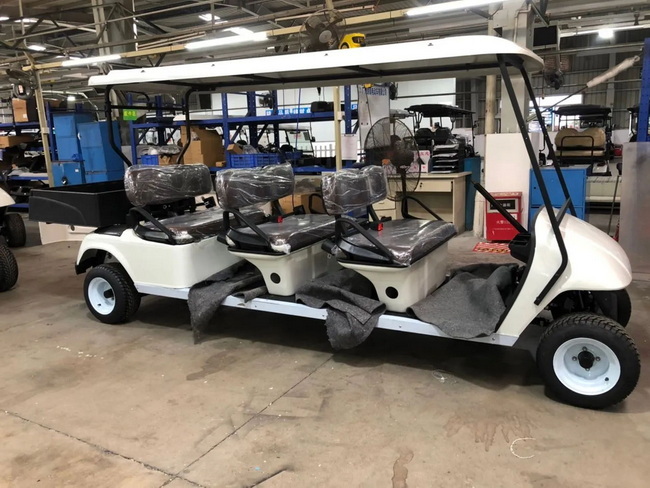
A golf buggy is a compact powered vehicle designed primarily to transport golfers, passengers, and clubs around a course quickly and comfortably. Modern designs have evolved far beyond simple two‑seat course vehicles and now include sightseeing, resort, hunting, and utility versions used in many off‑course environments.[3][4]
For professional OEM manufacturers, a golf buggy is part of a broader electric vehicle platform that can be adapted into golf course units, low‑speed vehicles, resort shuttles, hunting buggies, and multi‑purpose work vehicles. This platform approach allows a brand to offer a full golf buggy range with shared components, which helps reduce cost and simplifies after‑sales service.[5][6]
Understanding the usual price bands helps buyers form realistic expectations before comparing brands or negotiating OEM projects. Price ranges below are general market references and can vary by region, specification, and order volume.[7][1]
- Entry‑level new golf buggy (2‑seat electric, basic trim): about 5,000–7,000 USD.[1]
- Mid‑range new golf buggy (2–4 seat, better trim or options): around 7,000–11,000 USD.[8][1]
- Premium new golf buggy (4–6 seat, luxury or specialized use): typically 11,000–18,000 USD or more.[2][1]
These ranges reflect typical retail pricing from well‑known brands and dealers rather than direct factory OEM quotations. For bulk or OEM purchasing, per‑unit golf buggy prices can be significantly more competitive at the same specification level.[5][1]
- Older or basic used golf buggy models: commonly 2,000–3,500 USD.[7][1]
- Newer, well‑maintained used golf buggy units: often 3,500–6,000 USD.[8][1]
- Late‑model, feature‑rich used golf buggy examples: can reach 6,000–8,000 USD depending on condition and options.[1]
Used golf buggy deals depend heavily on age, battery health, service history, and any upgrades installed over time. A low headline price can quickly rise if the buyer needs to replace batteries, tires, seats, or controllers soon after purchase.[2]
On B2B export platforms, factory‑direct prices for standard electric golf buggy models from Chinese manufacturers often fall roughly in the 3,800–6,600 USD band for basic units, with higher prices for larger or more advanced specifications. Final landed cost for overseas buyers must also include shipping, insurance, local taxes, and any required customization or branding work.[5]
The headline price of a golf buggy is the result of many technical and commercial choices that manufacturers and buyers make. Understanding these factors helps buyers and wholesalers plan configurations that align with both performance needs and budget.[6][9]
Recognized international brands often command a premium because of strong dealer networks, proven reliability, and established resale value. Their golf buggy price usually reflects investment in engineering, testing, and long‑term parts support that some low‑volume producers may not provide.[4][2][1]
On the other hand, experienced OEM factories that focus on exporting golf buggy models under private labels can offer comparable core performance at a more competitive price point. For distributors and foreign brands, this can open space to add their own margin while still keeping golf buggy retail prices attractive.[5]
A brand‑new golf buggy offers full warranty, clean service history, and the latest components such as controllers and battery technology. New buyers can standardize an entire fleet with identical golf buggy specifications, which simplifies maintenance, stocking parts, and training technicians.[10][2]
Used golf buggy units reduce initial investment but can bring uncertainty, especially around batteries, chargers, and structural wear. Buyers often need to factor in a budget for inspection and refurbishment so that the golf buggy delivers reliable service over the next several seasons.[11][2]
Electric golf buggy designs dominate many modern fleets because they are quieter, easier to maintain, and cheaper to run on a per‑mile basis. Their purchase price can be similar to or slightly higher than gas equivalents in some markets, but the total cost of ownership typically favors electric over time.[12][13]
Gas golf buggy models still offer advantages where refueling infrastructure is strong and charging facilities are limited, or where extended continuous operation is required. However, higher fuel cost, engine servicing, and noise mean gas golf buggy fleets often face higher long‑term operating expenses.[14][12]
Lead‑acid batteries remain widely used in many golf buggy models due to their lower initial cost and mature technology. They require regular maintenance (watering and cleaning) and have a shorter lifecycle, with replacement often needed after a few years of typical use.[6][2]
Lithium‑ion batteries increase the upfront golf buggy price but deliver longer life, lower maintenance demands, faster charging, and stable performance over many cycles. For intensive usage such as resort fleets, shuttle services, or multi‑shift industrial operations, the long‑term savings can justify the higher initial investment in a lithium‑equipped golf buggy.[10][12][6]
Beyond basic transport, many buyers want comfort, style, and extra functionality in their golf buggy. Each upgrade adds cost but can also boost perceived value and daily usability.[15]
Common cost‑adding items include:
- High‑back or luxury seats and armrests.
- Upgraded wheels and all‑terrain tires.
- Lift kits for higher ground clearance.
- Canopies, windshields, and weather enclosures.
- LED lighting, audio systems, and digital displays.
For fleets or branded programs, factory customization such as specific colors, logos, body designs, or unique interior elements can significantly change the total cost per golf buggy because of tooling, engineering, and smaller production batches.[15][6]
Unit cost for a golf buggy tends to decrease as order volume rises because fixed expenses spread over more vehicles. This is especially true when a buyer locks in a long‑term OEM relationship and commits to recurring batch orders.[6][5]
However, freight, insurance, and import duties can add a substantial amount to the final landed price of each golf buggy when shipped internationally. Buyers should calculate total cost from factory gate to destination, including local assembly or pre‑delivery inspection if required.[16][10]
Price tags answer “How much does a golf buggy cost today?”, but owners also need to know how much the buggy will cost to operate and maintain over several years. This total cost of ownership approach is vital for courses, resorts, and commercial fleets.[2][10]
Electric golf buggy models are known for very low energy cost per mile. Fully charging a typical electric golf buggy can cost well under a dollar in many regions and deliver enough range for a full day on the course or a shift of resort operations.[12]
Gas golf buggy units consume fuel at a rate that makes them noticeably more expensive to run over time, especially when fuel prices rise. Over several years, this difference adds up to a meaningful gap in the total operating cost of an electric golf buggy versus a gas‑powered one.[12][2]
All golf buggy fleets require preventive maintenance and occasional repairs to perform reliably. Electric models usually need fewer moving parts serviced, focusing on batteries, brakes, suspension, and steering instead of engine‑related systems.[2][6]
Courses and resorts that maintain structured preventive schedules—inspecting tires, brakes, chargers, and electrical connections—often extend the life of their golf buggy fleets and reduce unexpected downtime. Poor maintenance habits, by contrast, can turn a low‑cost purchase into an expensive ownership experience.[16][10]
Golf buggy assets depreciate over time, but well‑maintained fleets from recognized platforms or reputable OEMs hold value better on the secondary market. Battery condition, body appearance, and service records all influence resale price when owners eventually replace or upgrade their golf buggy units.[11][2]
A higher initial purchase price for a high‑quality golf buggy may be offset partly by stronger residual value when the vehicle is sold or traded after several years of service. For businesses, this helps lower the effective total cost per year of operation.[10][2]
Choosing the right type of golf buggy for a specific application is one of the best ways to control cost and avoid overspending on unnecessary features. Different environments and duties push buyers toward different configurations.[15][6]
Courses typically focus on 2‑seat or 4‑seat electric golf buggy fleets with a priority on reliability, easy service, and consistent performance across all units. Fleet managers value standardized specifications because they simplify charging infrastructure, spare parts management, and technician training.[3][10]
While it can be tempting to choose the lowest initial golf buggy price, courses usually benefit from mid‑range or higher‑quality platforms that can withstand daily use, hilly terrain, and varied weather. Over several years, better build quality and durable components often reduce total cost per round.[16][2]
Resorts and scenic attractions rely heavily on 4–6 seat golf buggy or shuttle vehicles to move guests, luggage, and staff efficiently. These customers emphasize comfort, appearance, and smooth ride quality to support a premium guest experience.[4][3]
Consequently, their preferred golf buggy configuration tends to include more comfortable seating, enhanced body styling, safety lighting, and sometimes audio systems. This pushes unit prices higher than basic course‑only golf buggy models but also supports the property's image and operational needs.[1][15]
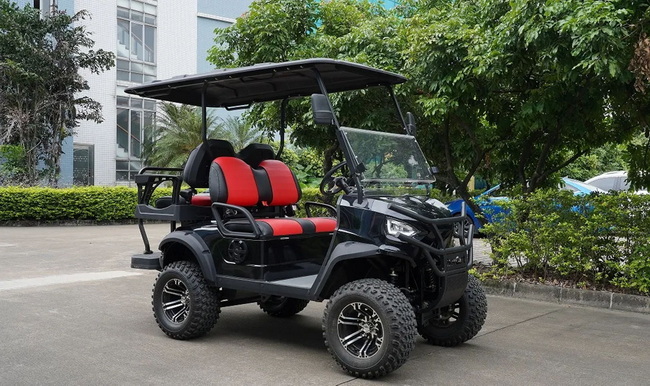
In hunting areas, farms, and industrial sites, the golf buggy often operates more like a small utility vehicle with off‑road capability and cargo‑carrying features. Buyers often choose lifted suspensions, rugged tires, reinforced frames, and higher‑torque motors to handle rough terrain and heavy loads.[6][15]
These specialized configurations increase the cost of a golf buggy, but they also transform it into a practical work tool that can replace or complement larger vehicles like ATVs or small trucks. The return on investment then depends on how effectively the golf buggy helps complete daily tasks.[10][6]
In gated communities and campuses, low‑speed street‑legal golf buggy models act as convenient local transport. These vehicles may require additional safety features such as lights, mirrors, seat belts, and signaling equipment to comply with local rules.[13][17]
Such regulatory requirements and safety equipment raise the overall price of a golf buggy compared with non‑street‑legal course carts. Buyers in this segment should weigh the convenience of local road use against the higher purchase price and any registration or insurance costs.[17][13]
International brands, wholesalers, and even other vehicle manufacturers often collaborate with specialized factories to develop and produce golf buggy lines under private labels. This OEM approach enables them to enter or expand in the golf buggy market without constructing their own plants.[5][6]
- Access to established electric vehicle platforms that can be tuned for golf buggy, sightseeing, low‑speed transport, and utility tasks.[5]
- Ability to customize appearance, branding, and certain specifications while keeping core engineering standardized.[6]
- Competitive per‑unit golf buggy costs made possible by scaled component purchasing and integrated manufacturing.[5]
Manufacturers that already produce a wide range of electric vehicles and automotive parts can leverage shared components across multiple product categories, further optimizing cost. For an overseas partner, this can translate directly into better pricing and easier parts sourcing for each golf buggy model.[6][5]
When selecting an OEM factory for golf buggy production, buyers should review both technical and commercial capabilities. Important aspects include welding and frame production quality, painting and corrosion protection, electrical system engineering, and final assembly processes.[6][5]
Equally important are export experience, understanding of certification requirements in target markets, and after‑sales support arrangements. These elements all influence the total cost and risk profile of an OEM golf buggy project over its entire lifecycle.[16][10]
In addition to unit pricing, golf buggy OEM projects may involve engineering fees, sample costs, tooling investments for unique body parts, and branding elements. Buyers need to factor in these one‑time costs against expected order volumes and lifecycle sales to assess true profitability.[5][6]
Because of economies of scale, a carefully planned multi‑year cooperation can significantly lower average cost per golf buggy compared with short, one‑off orders. Clear communication and long‑term planning help both the factory and the brand build a stable, cost‑competitive product line.[6][5]
The answer to “How much does a golf buggy cost?” stretches from a modest budget for a simple used unit to a substantial investment for a premium, fully customized multi‑seat vehicle. Real‑world decisions should balance purchase price, power system, battery type, features, and intended usage, as well as long‑term operating and maintenance expenses.[1][6]
For retail buyers, focusing on total cost of ownership—especially energy, maintenance, and resale value—helps identify which golf buggy delivers the best value over several years. For wholesalers, resorts, and brands, partnering with an experienced OEM manufacturer can further optimize cost, quality, and product flexibility across an entire golf buggy portfolio.[2][10][5]
A functional used golf buggy from a dealer or private seller can sometimes be found starting around 2,000–3,000 USD, depending on market and condition. Buyers should check battery health, charger compatibility, and basic mechanical systems before purchase, because refurbishing these items can quickly add hundreds or thousands of dollars to the total cost.[7][1][2]
For most courses, resorts, and communities, an electric golf buggy is usually the better long‑term choice because of lower operating cost, less noise, and simpler maintenance. Gas golf buggy models may be preferable only in specific situations where charging infrastructure is not available or where continuous high‑duty operation makes fast refueling critical.[13][14][12]
Traditional lead‑acid batteries in a golf buggy typically need replacement after several years of regular use, with lifespan influenced by charging habits, storage conditions, and usage intensity. Lithium‑ion batteries can last significantly longer, reducing replacement frequency but increasing the initial price of the golf buggy at purchase.[12][2][6]
Cosmetic and functional upgrades usually increase both the cost and perceived value of a golf buggy, especially for resort or luxury residential environments. However, extreme customization can make future parts replacement and resale more complicated, so fleet owners should balance unique features with standard components that are easy to service and support.[15][10]
Courses and resorts can control costs by standardizing specifications, selecting efficient electric golf buggy models, and following disciplined preventive maintenance schedules. Negotiating OEM or bulk purchase agreements and planning battery replacements in advance also helps keep the long‑term cost per golf buggy predictable and sustainable.[10][16][2][5]
[1](https://carts-and-parts.com/how-much-does-a-golf-cart-cost/)
[2](https://www.jdclubcar.com/blog/the-full-cost-of-golf-cart-ownership)
[3](https://ezgo.txtsv.com/personal)
[4](https://www.clubcar.com/en-us)
[5](https://www.made-in-china.com/products-search/hot-china-products/Golf_Buggy_Price.html)
[6](https://evtitan.com/what-factors-influence-the-price-of-electric-golf-carts/)
[7](https://www.revel42.com/how-much-do-golf-carts-cost/)
[8](https://www.mikeysmotors.com/blog/how-much-do-golf-carts-cost--92825)
[9](https://www.kandiamerica.com/how-much-does-a-golf-cart-cost/)
[10](https://www.beechcreekgolfcarts.com/blog/understanding-the-total-cost-of-owning-a-golf-cart--104314)
[11](https://beachsidegolfcars.com/cost-factors-to-consider-before-making-a-golf-cart-purchase/)
[12](https://tigongolfcarts.com/why-are-elecrtic-golf-carts-cheaper-to-run-verses-gas-golf-carts/)
[13](https://www.kandiamerica.com/electric-golf-cart-prices-comparison/)
[14](https://nfgolfcarts.com/cart-tips/gas-vs-electric-golf-carts)
[15](https://backyardescapism.com/blogs/the-escapist/why-are-golf-carts-so-expensive)
[16](https://www.taragolfcart.com/news/the-hidden-costs-of-golf-carts-5-pitfalls-most-courses-overlook/)
[17](https://www.jalopnik.com/2032018/gas-vs-electric-golf-carts-differences/)


