


Views: 222 Author: Leah Publish Time: 2025-12-25 Origin: Site


Content Menu
● Understanding Golf Car Weight Basics
● Club Car Golf Car Weight by Model
>> Club Car Onward 2-Passenger
>> Club Car Onward 4-Passenger
>> Club Car Onward 6-Passenger
>> Other Club Car Utility and Turf Models
● Average Golf Car Weights by Type
>> Passenger and Cargo Capacity vs Weight
● Key Factors That Change Golf Car Weight
>> Seats, Lift Kits, and Accessories
>> Towing and Trailer Selection
>> Performance, Range, and Braking
>> Payload and Structural Integrity
● How to Find Your Club Car Golf Car's Exact Weight
>> Checking Official Documentation
>> Weighing a Golf Car Directly
● Using Golf Car Weight Data for OEM Projects
>> BorCart as an OEM Golf Car Partner
>> Customization for Different Golf Car Segments
● Practical Tips for Managing Golf Car Weight
● FAQ
>> 1. How much does a typical Club Car golf car weigh?
>> 2. Why is an electric golf car heavier than a gas golf car?
>> 3. How much weight can a standard golf car safely carry?
>> 4. Does adding a lift kit or rear seat change golf car weight significantly?
>> 5. How can brands and wholesalers customize golf car weight through OEM manufacturing?
Knowing how much a Club Car golf car weighs is essential for safe towing, trailer selection, storage planning, and customizing your vehicle with accessories or lithium battery upgrades. Understanding weight also helps golf car brands, wholesalers, and manufacturers specify the right platforms when working with OEM partners such as BorCart for global markets.[1][2]
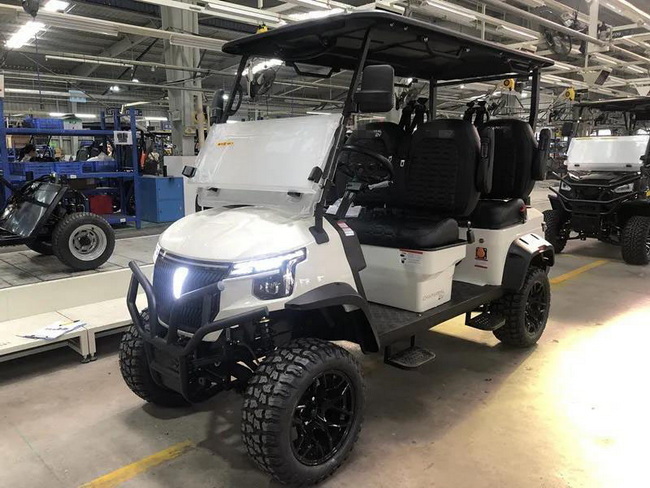
A Club Car golf car does not have one fixed weight; instead, each model and power type has its own curb weight range. In general, modern electric golf car designs tend to be heavier than gas versions because of the battery pack, especially when using traditional lead‑acid batteries.[3][4]
The weight of a golf car is usually quoted as “curb weight,” which means the golf car is ready to drive with standard equipment and fluids but without passengers or extra cargo. Payload capacity, on the other hand, is the additional weight the golf car can safely carry on top of its own curb weight.[5][6]
Different Club Car golf car models target different use scenarios on and off the course, so their curb weights vary noticeably. Below are some of the most referenced Club Car golf car models and their approximate weights so you can better understand how they compare.[1]
The Onward 2‑passenger is a popular personal golf car platform available in electric, lithium, and gas variants. A compact 2‑seat golf car is often the starting point for homeowners and golfers who want a nimble vehicle for the course or gated communities.[4][7]
- Club Car Onward 2‑passenger electric: about 975 lbs.[1]
- Club Car Onward 2‑passenger lithium: about 717 lbs.[1]
- Club Car Onward 2‑passenger gas: about 675 lbs.[1]
In practical terms, a basic 2‑seat Club Car golf car with lithium batteries can be roughly 250–300 lbs lighter than an equivalent lead‑acid electric car, which matters for trailer and hitch selection. This lighter lithium golf car configuration also improves acceleration and reduces stress on suspension and brakes.[8][9]
The 4‑seat Onward stretches the frame and adds rear seating, which increases the total golf car curb weight. Many families, rental communities, and resorts choose a 4‑passenger golf car because it balances seating capacity with manageable size.[4][1]
- Onward 4‑passenger electric: about 1,070 lbs.[1]
- Onward 4‑passenger HP / electric HP: around 1,070 lbs, depending on configuration.[1]
- Onward 4‑passenger HP lithium: about 784 lbs.[1]
- Onward 4‑passenger gas: around 795 lbs.[1]
Even within the same 4‑seat golf car family, the weight spread between gas, electric, and lithium options can exceed 250 lbs. When planning a fleet of 4‑passenger golf car vehicles, that difference influences energy use, transporter choice, and long‑term operating costs.[3][8]
For larger families, resorts, or hospitality fleets, the 6‑passenger Club Car golf car platform is common. This elongated golf car offers more seats but also demands more careful planning for storage, turning radius, and transport.[5][1]
- Onward 6‑passenger electric: about 1,293 lbs.[1]
- Onward 6‑passenger gas: about 980 lbs.[1]
This larger golf car sits near the upper end of typical passenger cart weight, which may require a heavier‑duty trailer and higher towing capacity vehicle. For hilly environments or long routes, an operator must match motor power and braking capacity to this heavier golf car platform.[10][3]
Club Car also produces utility and turf golf car designs that carry tools, cargo, and equipment rather than just passengers. These utility golf car vehicles often work on golf courses, farms, resorts, campuses, and industrial sites where durability matters as much as comfort.[3][5]
- Club Car Carryall 500 Turf electric: about 1,393 lbs.[1]
- Club Car Carryall 500 Turf gas: about 675 lbs.[1]
These utility golf car platforms use reinforced frames and cargo beds, so electric versions can weigh as much as a compact road car's rolling chassis. When fully loaded with equipment, a Carryall‑type golf car can approach its rated limits quickly, so careful payload management is essential.[6][1]
While Club Car publishes exact specs by model, it is helpful to know general golf car weight ranges, especially when specifying OEM golf car projects or planning mixed fleets. These averages provide a quick reference before you look up the precise data for a particular golf car.[8]
Industry‑wide averages give a baseline for golf car planning and purchasing decisions. Even if you are considering a different brand, these ranges are very similar to typical Club Car golf car figures.[4][3]
- 2‑passenger gas golf car: about 700 lbs.[4]
- 2‑passenger electric golf car: about 950–1,000 lbs.[4]
- 4‑passenger gas golf car: around 900 lbs.[4]
- 4‑passenger electric golf car: roughly 1,100–1,200 lbs.[4]
- 6‑passenger gas golf car: about 1,000 lbs.[4]
- 6‑passenger electric golf car: about 1,300 lbs.[4]
Across these categories, most standard Club Car and similar golf car platforms fall into the 700–1,300 lb curb weight range. Because of this, most tow‑vehicle and trailer recommendations are based on a typical 1,000 lb golf car assumption.[8][1]
Golf car payload capacity is separate from curb weight but closely related in real‑world use. Overloading a golf car with passengers, bags, and cargo can be more dangerous than the curb weight alone.[6][5]
- Most 2‑passenger golf car designs support roughly 400–550 lbs of passengers and cargo.[5]
- 4‑passenger golf car platforms commonly carry around 800 lbs total.[4]
- 6‑passenger golf car vehicles can often handle up to about 1,500 lbs.[4]
Manufacturers generally assume around 180–200 lbs per adult when setting weight limits for a golf car, leaving some margin for bags and gear. For commercial fleets, it is wise to train drivers to respect these weight limits on each golf car to reduce breakdowns and accidents.[4][1]
Several design and configuration choices significantly affect how much a Club Car or other golf car weighs. Understanding these variables helps golf car owners, dealers, and OEM partners to plan their platforms correctly from the start.[9][8]
Battery packs are usually the single biggest variable in the weight of a modern electric golf car. This is why two golf car models that look identical can differ greatly in weight.[11]
- Lead‑acid batteries are comparatively heavy at about 60–80 lbs per unit, and a typical electric golf car may use several, pushing curb weight upward quickly.[11]
- Lithium‑ion batteries often weigh around 40–50 lbs each, and some systems require fewer packs, which can cut overall golf car weight by 200–300 lbs.[8]
Weight savings from lithium allow a golf car to accelerate faster, climb more efficiently, and put less stress on frames and suspension components. In addition, lighter lithium golf car systems often recharge more efficiently and can extend battery life under demanding use.[9]
Powertrain layout also affects golf car weight and performance balance. The same frame can feel quite different as a gas golf car compared with its electric twin.[3][4]
- Electric golf car models tend to be heavier because of batteries but provide strong low‑end torque and quiet operation.[4]
- Gas golf car versions are usually lighter and refuel quickly, which can improve range with a modest curb weight advantage.[3]
When specifying OEM golf car fleets, resorts often blend gas and electric units to match terrain, noise limits, and daily duty cycles. Off‑road hunting golf car platforms may favor torque‑rich setups, while gated communities may prefer silent electric golf car drives.[9][3]
Beyond the base platform, add‑ons can noticeably alter golf car weight. Customization makes each golf car unique, but it also raises the total mass that must be moved and stopped safely.[8][1]
- Rear seat kits, brush guards, roof extensions, and heavy‑duty cargo boxes can collectively add 100–300 lbs to a golf car.[8]
- Lift kits, larger wheels, and off‑road tires frequently add another 50–80 lbs to an upgraded hunting or multi‑purpose golf car.[1]
For hunting golf car or multi‑purpose golf car builds, it is important to factor in these upgrades when sizing trailers and evaluating hill‑climb performance. If a golf car is frequently driven on steep paths or soft ground, the added weight from accessories should be offset with stronger motors and better brakes.[10]
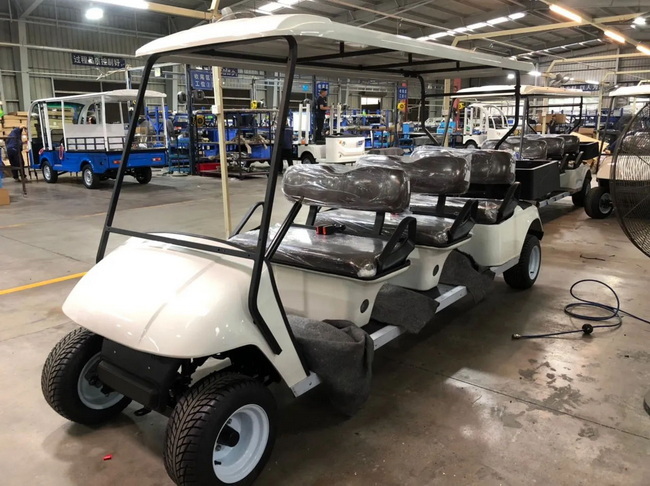
Weight is a foundational specification for every golf car in a personal or commercial fleet. It influences towing needs, safety margins, energy usage, and long‑term reliability across the life of each golf car.[8][1]
Incorrect assumptions about golf car weight can lead to overloaded trailers and unsafe road conditions. Knowing the curb weight of each golf car prevents many costly mistakes before a long trip.[3][1]
- A single standard Club Car golf car in the 900–1,100 lb range plus trailer weight can exceed 2,000 lbs, which may already be near the tow limit of some compact crossovers.[8]
- Hauling two 6‑passenger electric golf car vehicles can push combined load toward or beyond 4,000 lbs, requiring a more capable tow vehicle and properly rated hitch.[3]
Operators should always confirm actual golf car curb weight and trailer ratings before loading. Proper tie‑down points and evenly distributed weight across the trailer axle also help keep the golf car secure on the road.[5][1]
Heavier golf car setups influence efficiency and component wear. Ignoring weight can make a golf car feel sluggish or unsafe, especially when upgraded with large tires and extra seats.[9][4]
- Higher curb weight generally reduces range for electric golf car designs and can slightly increase fuel consumption for gas units.[4]
- Extra weight stresses brakes, steering, suspension, and tires, especially on hilly courses or street‑legal low‑speed vehicle routes.[10]
Keeping a golf car close to its factory configuration or using lightweight components where possible helps maintain predictable handling. Scheduled maintenance becomes more important as golf car weight and daily loads increase.[5][9]
Exceeding weight limits is one of the fastest ways to shorten a golf car's service life. Over time, repeated overloads can damage a golf car's frame and drivetrain.[6][1]
- Overloading a golf car can crack frames, deform suspension mounts, and cause premature tire and bearing wear.[10]
- Sticking to published passenger and payload limits keeps golf car platforms in their designed safety envelope and protects warranties.[6]
For commercial fleets, regular inspections of heavily loaded golf car units (such as utility and hunting builds) are especially important. Fleet managers often rotate heavier‑duty golf car models into the toughest jobs to reduce the chance of structural problems.[5][1]
Because golf car weight is model‑specific, owners and fleet managers should use authoritative sources whenever possible. This ensures that each golf car is transported, loaded, and modified within safe limits.[3][1]
Most Club Car golf car models ship with a manual and identification labels that list essential technical data. Reading official specs is the easiest way to learn your golf car's curb weight and capacity.[12][3]
- The owner's manual or technical specification sheet typically lists curb weight and rated cargo capacity for each golf car variant.[3]
- Some golf car frames or under‑seat areas include a metal tag or decal that lists model number, serial, and sometimes weight rating.[12]
When in doubt, dealers can look up specific Club Car golf car configurations by serial number. This process is especially useful when buying a used golf car with missing documentation or custom modifications.[12][3]
If documents are missing or if the golf car has extensive modifications, weighing may be the most accurate solution. Measuring real‑world weight helps owners verify that custom accessories have not pushed the golf car beyond practical limits.[9][1]
- Commercial vehicle scales, trailer tongue scales, or local truck stops can provide a curb weight reading for a fully assembled golf car.[1]
- Weighing the trailer alone and then the trailer with the golf car allows simple subtraction to calculate actual golf car weight.[1]
This process is particularly helpful for custom hunting golf car or multi‑purpose golf car builds with non‑standard equipment. After weighing, owners can adjust tire pressure, suspension upgrades, or cargo habits to match the real mass of the golf car.[10][5]
For international brands, wholesalers, and manufacturers seeking OEM golf car solutions, real‑world weight data guides platform design and certification. Chinese high‑tech manufacturers such as BorCart build electric golf car, sightseeing bus, low‑speed vehicle, and utility vehicle platforms that can be tailored to target weight, capacity, and performance ranges.[2][13]
BorCart is one of the earlier Chinese factories dedicated to electric golf car development, now serving as a leading OEM golf car manufacturer and supplier. The company focuses on combining robust chassis engineering with modern electric drive systems for global partners.[13][14]
- The company produces a full series of golf car, hunting vehicle, utility vehicle, sightseeing bus, and classic cart platforms, with CE‑certified options available for global markets.[14]
- OEM partners can specify seating layouts (from compact 2‑seat golf car to 4‑ and 6‑seat golf car models), battery chemistry, and accessory packages to hit target curb weight and payload requirements.[15]
Whether for brand‑label golf car lines, private‑label multi‑purpose golf car fleets, or specialized low‑speed vehicles, a tightly controlled weight specification is integral to engineering and certification. Accurate golf car weight planning also simplifies shipping logistics and import procedures for international customers.[2][13]
Because weight requirements differ across use cases, OEM golf car projects often start with an application‑specific brief. BorCart collaborates with partners to define how each golf car will be used and what weight targets are acceptable.[13][14]
- Resort and golf course fleets focus on passenger comfort and moderate curb weight, while sightseeing bus and low‑speed street vehicles require sturdier frames and higher payload ratings.[14]
- Hunting golf car and off‑road multi‑purpose golf car builds prioritize ground clearance, lifting packages, and rugged accessories, which must be balanced against powertrain and braking capacity.[15]
BorCart's engineering teams can adjust frame materials, battery packs, and suspension tuning so that each golf car meets both regional regulations and operational demands. This tailored approach helps partners launch differentiated golf car products with reliable performance in real conditions.[2][13]
Understanding theory is useful, but day‑to‑day golf car management depends on simple, repeatable habits. With a few best practices, owners and fleet managers can protect every golf car in their lineup.[5][1]
- Always verify the golf car's curb weight and payload rating before adding rear seats, cargo boxes, or lift kits.
- Keep unnecessary gear off the golf car; tools and accessories left onboard permanently can quietly add dozens of pounds.
- When towing, account for golf car weight plus trailer weight, passengers, and any spare parts or accessories carried in the tow vehicle.
- For electric golf car fleets, consider lithium upgrades for high‑use vehicles that need lower weight and longer range.
- Inspect frames, suspension, and tires on heavily loaded golf car units regularly, especially those used as utility or hunting vehicles.
By treating weight as a key design and maintenance parameter, a golf car fleet will remain more efficient, safer, and cheaper to operate over time.[6]
A Club Car golf car typically weighs between about 650 lbs and 1,300 lbs, with precise figures depending on model, seat count, powertrain, and battery technology. Electric golf car versions with lead‑acid batteries sit near the upper end of this range, while gas and lithium variants often save several hundred pounds, which affects range, towing needs, and payload planning. For brands and distributors working with OEM manufacturers such as BorCart, defining target curb weight and payload early in the project helps ensure each golf car platform delivers safe, efficient, and durable performance across golf, resort, hunting, and multi‑purpose applications.[13][4][1]
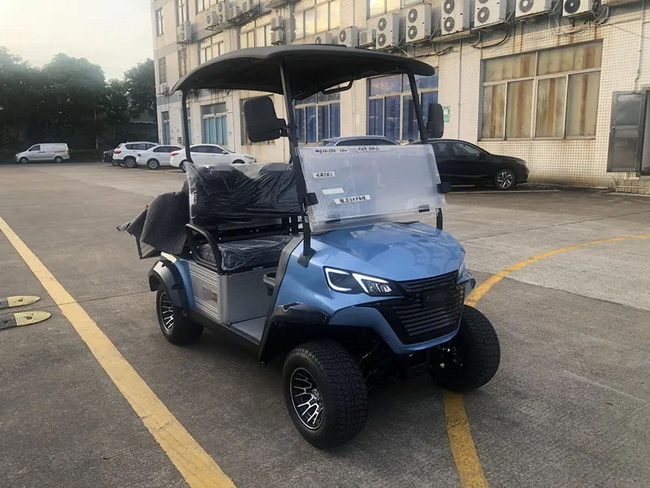
A typical Club Car golf car usually weighs between 650 lbs and 1,200 lbs, depending on the exact model and whether it is gas, electric, or lithium powered. Smaller 2‑passenger golf car platforms sit near the lower end of this range, while larger 4‑ and 6‑passenger golf car designs are heavier.[4][1]
Electric golf car models carry multiple traction batteries, and traditional lead‑acid units can weigh 60–80 lbs each, adding substantial mass to the vehicle. Gas golf car versions use lighter fuel systems and typically have fewer heavy components, so their curb weight is often several hundred pounds lower.[11][3]
Most 2‑passenger golf car designs are rated for around 400–550 lbs of combined passengers and cargo. Four‑passenger golf car vehicles generally support about 800 lbs, and 6‑passenger golf car models can often handle up to about 1,500 lbs total payload.[5][4]
Yes, accessories can noticeably increase golf car weight, which affects acceleration, braking, and towing. Rear seats, cargo boxes, heavy wheels, and lift kits can together add 150–300 lbs or more to an upgraded golf car.[8][1]
By working with OEM manufacturers such as BorCart, brands can specify frame materials, battery chemistry, seating layout, and accessory packages to target a specific golf car curb weight and payload rating. This allows creation of bespoke golf car, utility car, sightseeing, hunting, or low‑speed vehicle platforms optimized for each market's regulations and real‑world operating conditions.[14][13]
[1](https://carts-and-parts.com/how-much-does-a-golf-cart-weigh/)
[2](https://www.borcart.com)
[3](https://diamondgolfcars.com/how-much-does-a-golf-cart-weigh-a-type-brand-comparison/)
[4](https://www.golfinfluence.com/skill/how-much-does-a-golf-cart-weigh/)
[5](https://jsgolfcarts.com/blog/golf-cart-weight/)
[6](https://golfcartsearch.com/blog/how-much-does-a-golf-cart-weigh)
[7](https://www.youtube.com/watch?v=N4MTFrte2AY)
[8](https://www.golfcarttiresupply.com/blog/how-much-does-a-golf-cart-weigh/)
[9](https://taraelectricvehicles.com/blog/2025/05/29/how-much-does-a-golf-cart-weigh-and-why-they-are-more-functional-than-ever/)
[10](https://centralvalleycarts.com/performance/how-much-does-a-golf-cart-weigh/)
[11](https://www.langqinggolfcart.com/how-much-does-a-electric-club-car-golf-cart-weigh.html)
[12](https://www.clubcar.com/en-us/personal/golf-carts/onward-4-passenger)
[13](https://borcart.com/ko)
[14](https://www.borcartev.com/chinese-golf-cart/)
[15](https://borcart.com/nl/collections/golf-car)


