


Views: 222 Author: Leah Publish Time: 2026-02-03 Origin: Site


Content Menu
● What “Run Time” Really Means for an Electric Golf Cart
● Typical Range of an Electric Golf Cart
● How Voltage Systems Affect Electric Golf Cart Range
● Lead‑Acid vs Lithium Batteries in Electric Golf Carts
>> Maintenance and Performance
● Conditions That Shorten or Extend Range
● How Many Hours Can an Electric Golf Cart Run?
● Daily Usage Scenarios for an Electric Golf Cart
>> Resorts, Hotels, and Communities
>> Industrial and Multi‑Purpose Vehicles
● Maximizing How Long Your Electric Golf Cart Will Run
● Electric vs Gas Golf Cart Run Time
● OEM and Custom Electric Golf Carts for Global Markets
● FAQ
>> 1. How far can a standard electric golf cart go on one charge?
>> 2. How many hours will an electric golf cart run before it needs charging?
>> 3. How long do electric golf cart batteries last before they need to be replaced?
>> 4. What is the best way to extend the range of my electric golf cart?
>> 5. Is a lithium upgrade worth it for my electric golf cart?
When people ask how long an electric golf cart will run, they usually mean one of three things:
- How many miles it can travel on a single charge
- How many hours it can operate before needing to recharge
- How many years the battery pack will last before replacement
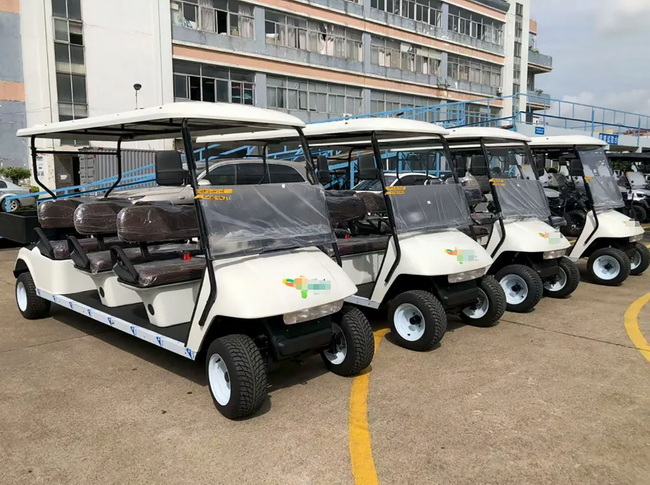
On a full charge, many 48V lead‑acid electric golf carts deliver roughly 25–40 miles of range under normal conditions such as flat terrain and one or two passengers. In contrast, a similar 48V electric golf cart equipped with lithium‑ion batteries commonly offers 35–60+ miles, and in optimized setups even higher distances are possible on gentle routes.
In daily life, that means a well‑configured electric golf cart is more than capable of covering a full day on a golf course, within a resort, or around a gated community without needing a midday charge. For most owners and operators, the real focus is not only raw distance but predictable, repeatable performance over many charging cycles.
For clarity, here are realistic distance ranges per charge you can expect from different battery technologies in an electric golf cart:
- Lead‑acid batteries: about 15–40 miles per full charge, depending on capacity, age, and system voltage.
- AGM batteries: roughly 20–35 miles, with slightly improved efficiency and lower maintenance compared to basic flooded lead‑acid units.
- Lithium‑ion (including LiFePO₄): about 30–60+ miles, and in some configurations up to 80 miles or more under ideal conditions.
In golf‑course terms, most electric golf carts can handle approximately 4–10 rounds of 18 holes on one charge, where each round usually involves 4–6 miles of cart travel. An electric golf cart range of 20–25 miles is typically sufficient for standard golf course use or moderate resort applications, while higher‑end lithium configurations provide comfortable reserves for demanding environments.
If your application includes longer shuttles, frequent hill climbing, or towing, you should consider the upper end of this range and select larger capacity packs. A carefully matched battery system allows your electric golf cart to deliver consistent power all day without range anxiety.
The voltage system is one of the most important design choices for an electric golf cart. Different voltages balance speed, torque, and energy efficiency in distinct ways:
- 36V systems: Common in older electric golf carts, usually offering the lowest performance and a range in the 15–25 mile band per charge under moderate loads.
- 48V systems: Now the most common choice for modern electric golf carts, typically delivering about 25–55 miles depending on battery chemistry and capacity.
- 72V systems: Performance‑oriented electric golf carts with strong acceleration and hill‑climbing ability, often achieving 30–50 miles per charge, sometimes more in high‑capacity lithium setups.
Higher voltage systems allow the electric golf cart to draw less current for the same power output, which can improve efficiency and reduce heat in cables and controllers. However, total range still depends heavily on the amp‑hour capacity of the pack and how the vehicle is used. For many fleet buyers and commercial users, 48V and 72V electric golf carts strike the best compromise between power, top speed, and efficient range in daily operation.
Battery chemistry has a direct impact on how long an electric golf cart will run per charge and over its lifetime. Comparing lead‑acid and lithium brings several important differences into focus.
- Lead‑acid: A 48V lead‑acid electric golf cart commonly goes 15–40 miles, with many real‑world setups falling in the 25–35 mile range. Performance and range decrease gradually as the batteries age or if they are poorly maintained.
- Lithium‑ion: The same 48V electric golf cart upgraded to lithium packs often delivers 40–60+ miles, with some systems optimized for over 80 miles in light‑duty use. Voltage remains more stable as the pack discharges, so the cart feels stronger throughout the charge.
- Lead‑acid: Traditional golf cart lead‑acid batteries usually provide about 300–500 full cycles, translating to roughly 1–5 years of service depending on maintenance, depth of discharge, and climate.
- Lithium‑ion (especially LiFePO₄): Many modern lithium packs reach 2,000–4,000+ cycles and lifespans of 5–10+ years, significantly outlasting lead‑acid in an electric golf cart application.
Lead‑acid batteries require regular watering, cleaning of terminals, and equalization charging to preserve capacity in an electric golf cart. Owners need to monitor electrolyte levels and prevent corrosion on cables and connections. By contrast, lithium systems are largely maintenance‑free, resist voltage sag under load, and keep the electric golf cart running at a more consistent speed across the discharge curve.
From a usability standpoint, the lower weight of lithium packs also improves acceleration and handling. A lighter electric golf cart puts less strain on suspension and tires, which indirectly supports longer operating life for other components.
Even with the same voltage and battery pack, real‑world electric golf cart range depends heavily on how and where the cart is used. Several key factors come into play:
- Terrain: Flat courses and paved paths maximize range, while hills, rough ground, deep grass, and soft sand can noticeably reduce how far an electric golf cart can run per charge. Climbing slopes demands higher current and drains batteries more quickly.
- Speed: Maintaining a moderate, steady speed is more energy‑efficient than frequent hard acceleration and deceleration. Driving at maximum speed for long periods is one of the fastest ways to reduce the effective range of an electric golf cart.
- Load: Additional passengers, cargo, trailers, and accessories increase vehicle weight, which forces the electric golf cart to draw more current and shortens range. Roof racks, heavy seats, and aftermarket add‑ons should be considered when planning range.
- Temperature: Extreme heat or cold reduces battery efficiency, especially for lead‑acid packs. Very low temperatures temporarily cut available capacity, while prolonged high temperatures speed up battery aging and shorten long‑term life.
- Driving style: Aggressive starts, sudden braking, and unnecessary detours waste energy. Smooth, anticipatory driving keeps current draw low and helps an electric golf cart travel farther between charges.
Good driving habits—smooth starts, gentle braking, and avoiding top speed when not necessary—help keep an electric golf cart within its ideal range band for longer. For fleet operators, driver training often pays back directly in lower energy costs and longer battery life.
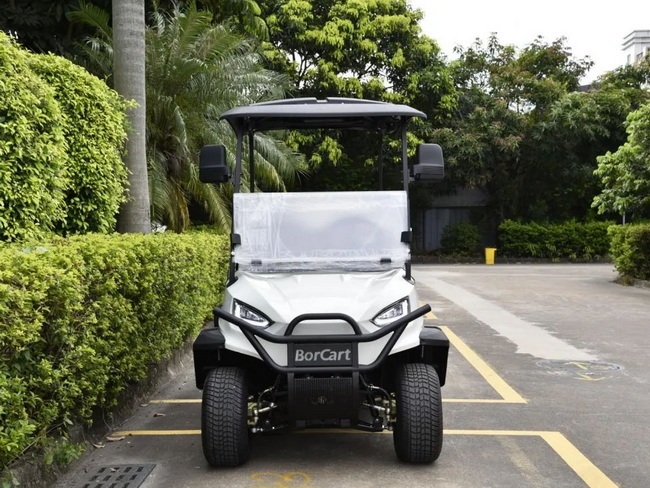
To estimate hours of use, combine average speed with expected range. Many electric golf carts are set up for top speeds around 12–20 mph, although exact values vary by programming and local regulations.
- If an electric golf cart can travel 30 miles per charge and you typically drive at around 10–12 mph, you can expect roughly 2.5–3 hours of continuous operation.
- A higher‑range lithium electric golf cart with 50–60 miles available could potentially deliver 4–5+ hours of steady driving, assuming moderate speeds and flat terrain.
In practice, most owners use an electric golf cart intermittently—short trips around golf courses, resorts, communities, campuses, or industrial sites—so a single charge often comfortably covers a full day of typical use. Pauses between trips give batteries a chance to rest, and regenerative braking (when available) can slightly improve efficiency in stop‑and‑go conditions.
Understanding usage patterns helps determine whether a specific electric golf cart configuration will meet your needs. Different environments put very different demands on range, speed, and durability.
For golf courses, an electric golf cart generally needs enough range for multiple 18‑hole rounds plus some light shuttling or practice‑range trips. Because an average 18‑hole round involves 4–6 miles of movement, a 25–35 mile electric golf cart range can handle 4–6 rounds on one charge, especially with lead‑acid packs in good condition.
Course operators often schedule overnight charging to restore full capacity before the next day's play. In busy, high‑traffic operations, they may rotate electric golf carts or invest in higher‑capacity packs to ensure there are always fully charged vehicles available.
In large resorts, theme parks, and gated communities, electric golf carts typically perform shorter, more frequent trips carrying passengers and luggage. Here, a range of 30–50+ miles per charge—commonly achieved with 48V or 72V lithium electric golf carts—is usually more than sufficient for daily operations.
Because these environments emphasize comfort and quiet operation, the smooth and silent nature of the electric golf cart is a major advantage. Operators may also equip multi‑row or sightseeing models based on golf cart platforms to handle higher passenger counts while still maintaining excellent efficiency.
For factories, warehouses, campuses, hunting grounds, and general utility applications, an electric golf cart often needs increased torque, load capacity, and longer endurance. In such cases, choosing a high‑capacity lithium pack and, where appropriate, a 72V performance system helps ensure the electric golf cart can operate through long work shifts with minimal downtime.
Multi‑purpose electric vehicles derived from golf cart chassis can be configured with cargo beds, tool racks, or towing hitches. When properly matched with robust battery systems, they offer a clean, low‑maintenance alternative to small internal‑combustion utility vehicles.
You can significantly extend both per‑charge range and long‑term performance with a few practical habits. Small improvements in charging, maintenance, and driving style add up over hundreds of cycles.
- Charge fully and regularly: Topping up after each day's use keeps an electric golf cart operating within an optimal state‑of‑charge window. Avoid leaving the pack in a deeply discharged condition for long periods.
- Avoid deep discharges: Frequently draining lead‑acid batteries below about 50% accelerates capacity loss, reducing how long the electric golf cart will run per charge. Lithium packs tolerate deeper discharge better, but very frequent 0–100% cycling still shortens long‑term life.
- Maintain batteries correctly: For lead‑acid packs, inspect electrolyte levels, clean terminals, tighten cables, and follow equalization schedules. For lithium systems, ensure the battery management system is functioning properly and follow manufacturer charging recommendations.
- Watch tire pressure and alignment: Underinflated or misaligned tires increase rolling resistance and cut into electric golf cart efficiency. Regular checks ensure the vehicle rolls freely and uses less energy.
- Manage load and accessories: Remove unnecessary accessories when not in use, avoid overloading, and distribute weight evenly on the electric golf cart to reduce strain. High‑draw accessories such as powerful lighting or entertainment systems should be considered when calculating range.
By combining correct battery care with appropriate driving habits, many owners keep their electric golf cart close to its original range for years. For commercial fleets, these practices can also reduce unexpected downtime and lower the total cost of ownership.
Although this article focuses on electric golf cart performance, it can be useful to compare electric and gas platforms for planning purposes.
- A typical electric golf cart offers about 15–80 miles per charge depending on configuration, with 25–35 miles being common for standard 48V lead‑acid units.
- Gas golf carts, using a fuel tank of around 4–6 gallons, often cover roughly 100–180 miles per tank under similar conditions.
Electric golf cart advantages include quieter operation, zero tailpipe emissions, lower routine maintenance, and strong low‑speed torque, which is why they dominate golf courses, resorts, and many community environments despite shorter absolute range. Gas carts tend to be more suitable for extremely long routes with limited access to charging, but for most organized facilities, charging infrastructure is easy to install and manage.
For many professional operators, the predictable daily pattern of use makes the electric golf cart the more efficient and comfortable choice. Lower noise levels also enhance the experience for guests, residents, and players.
For overseas brands, wholesalers, and manufacturers, sourcing reliable OEM electric golf cart solutions is essential to meeting local user expectations. A well‑engineered electric golf cart platform can be adapted into many variants, including:
- Dedicated golf carts for 2–4 players
- Sightseeing shuttles and resort buses
- Low‑speed neighborhood vehicles
- Hunting and off‑road style carts
- Multi‑purpose utility vehicles for industrial and commercial use
A professional Chinese manufacturer with experience in electric golf carts and related components can provide customized battery options, voltage systems, body layouts, and accessories. By matching each configuration to the target environment—course, resort, community, or factory—the OEM electric golf cart delivers the right balance of range, durability, and cost.
Brands can specify different battery chemistries, capacities, and controller settings to achieve the desired performance. This flexibility allows an electric golf cart series to cover entry‑level fleet models, mid‑range community vehicles, and high‑end premium carts under a single supplier framework.
An electric golf cart can typically run anywhere from 15 to 80 miles per charge, with most mainstream 48V lead‑acid models achieving about 25–35 miles and comparable lithium systems often reaching 40–60+ miles. The actual run time depends not only on battery type and voltage, but also on terrain, load, temperature, and driving habits, all of which influence how efficiently the electric golf cart converts stored energy into motion.
By choosing appropriate battery technology, maintaining your pack correctly, and adopting efficient driving practices, you can maximize both the daily range and the multi‑year lifespan of your electric golf cart. Whether your application is a golf course, resort, community, or industrial site, thoughtful configuration ensures your electric golf cart runs long enough to meet your operational needs with reliability, comfort, and low operating costs.
Contact us to get more information!
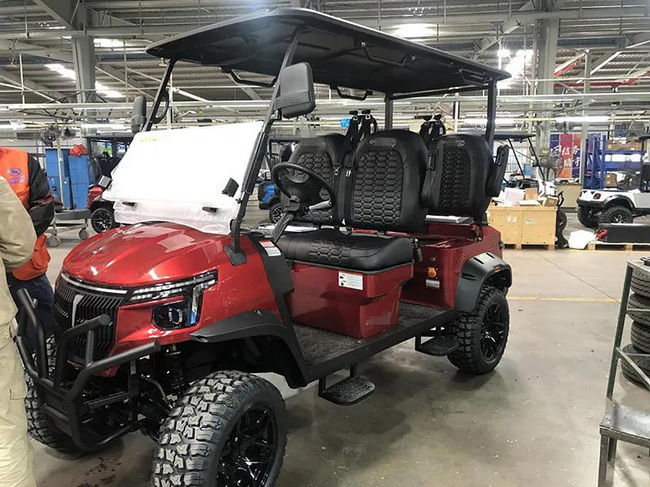
Most standard 48V electric golf carts with lead‑acid batteries travel about 25–40 miles per charge, assuming flat terrain, moderate load, and properly maintained batteries. Older 36V systems may fall closer to 15–25 miles, while efficient lithium setups can extend well beyond these figures under the same conditions.
If an electric golf cart offers 30 miles of range and is driven around 10–12 mph, continuous run time is roughly 2.5–3 hours. Higher‑capacity lithium electric golf carts with 50–60 miles of range can often operate 4–5+ hours in typical service before recharging is required, especially when used in mixed stop‑and‑go duty rather than nonstop driving.
Lead‑acid golf cart batteries commonly last about 1–5 years depending on usage, maintenance, depth of discharge, and climate. Lithium‑ion batteries in an electric golf cart can deliver thousands of cycles and remain serviceable for 5–10+ years, significantly reducing long‑term replacement frequency and improving total cost of ownership.
To extend range, keep your electric golf cart batteries fully charged, avoid deep discharges, and follow all recommended maintenance steps. Driving smoothly at moderate speeds, maintaining correct tire pressure, minimizing unnecessary weight, and planning efficient routes also help your electric golf cart travel farther on every charge.
For many users, upgrading an electric golf cart from lead‑acid to lithium is worthwhile because it increases range, reduces weight, improves acceleration, and cuts maintenance demands. Although initial costs are higher, the longer lifespan, faster charging, and better efficiency of lithium packs often lower total ownership cost over several years of electric golf cart operation.
1. https://bslbatt.com/blogs/key-factors-that-influence-golf-cart-battery-range/
2. https://golfcartsearch.com/blog/how-far-can-a-golf-cart-go-range-guide-2026
3. https://www.glennsgolfcar.com/blog/how-far-can-a-golf-cart-go-on-a-single-charge
4. https://www.borcart.com/how-far-can-a-electric-golf-cart-go.html
5. https://luxeelectriccar.com/golf-cart-range-how-far-can-your-electric-cart-go-on-a-charge/
6. https://powerurus.com/blogs/news/nbsp-leadacid-vs-lithium-batteries-for-golf-carts-a-comprehensive-comparison-nbsp
7. https://www.langqinggolfcart.com/how-long-electric-golf-cart-run.html
8. https://varyonmachinery.com/golf-cart-battery-range-factors/
9. https://bslbatt.com/blogs/lithium-ion-vs-lead-acid-golf-cart-batteries-2025/
10. https://centralcoastcarts.com/central-coast-carts/how-far-can-an-electric-golf-cart-go-on-a-full-charge/
11. https://www.weizeus.com/blogs/weize/how-a-105ah-lifepo4-battery-can-extend-your-golf-carts-range
12. https://powerurus.com/blogs/news/lithium-vs-lead-acid-batteries-which-golf-cart-battery-saves-more-over-5-years
13. https://jsgolfcarts.com/blog/how-many-miles-per-gallon-does-a-golf-cart-get/
14. https://coin.frontpagelinux.com/332202450/what-is-the-average-range-of/
15. https://lithiumhub.com/how-long-does-a-golf-cart-battery-last/


