


Views: 222 Author: Leah Publish Time: 2026-01-03 Origin: Site


Content Menu
● What “Lifespan” Really Means
● Average Lifespan of Electric Golf Cart
● Battery Lifespan in Electric Golf Cart
● Key Factors That Affect Longevity
● Electric Golf Cart vs Gas Cart Lifespan
>> Lifespan and Maintenance Overview
● Typical Range and Performance Over Time
● Maintenance Tips to Extend Lifespan
● Why OEM Quality Matters for Longevity
● FAQ
>> 1. How many years does an electric golf cart usually last?
>> 2. How often do I need to replace batteries in an electric golf cart?
>> 3. Does an electric golf cart last longer than a gas cart?
>> 4. What is the range of an electric golf cart on a single charge?
>> 5. What are the main signs that my electric golf cart is nearing the end of its life?
An electric golf cart can typically last 10–20 years when properly maintained, while its battery pack usually needs replacement every 4–7 years depending on chemistry and usage. The exact lifespan depends on factors such as battery type, build quality, driving conditions, maintenance habits, and how intensively the cart is used. With quality components and regular care, many owners enjoy reliable performance from an electric golf cart for well over a decade.[1][2][3][4][5]
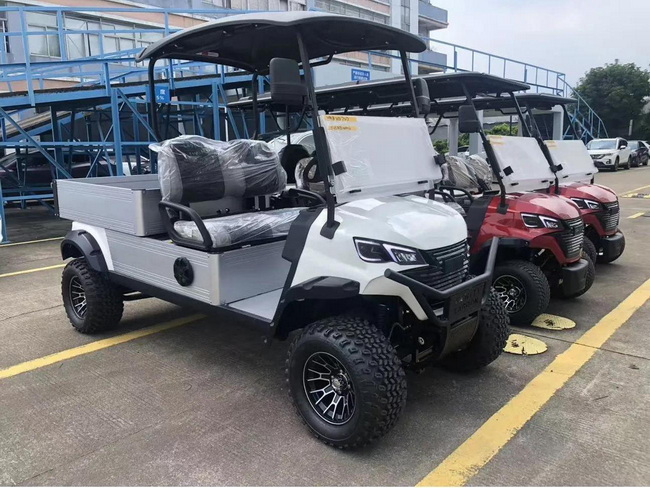
When asking how long an electric golf cart lasts, it helps to separate the lifespan of the cart from the lifespan of the battery pack. The frame, chassis, and motor can outlive several sets of batteries if they are well protected and maintained.[3][5][1]
- Overall cart life is often 10–20 years, and in some cases even longer with careful use and timely repairs.[6][1]
- Batteries are consumable items that typically last 3–7 years depending on type and care.[7][1]
- Owners who replace batteries, tires, and brake parts at the right time can keep the same electric golf cart in service for decades.[4][8]
In practice, the core structure of an electric golf cart behaves much like a light utility vehicle chassis that can handle repeated loading, vibrations, and weather exposure when coated and protected correctly. This means that, even if performance temporarily declines due to aging batteries or worn suspension parts, the underlying platform can often be refreshed instead of scrapped.[5][1][3]
A well-designed electric golf cart also allows for easy access to high-wear components, so technicians can inspect and swap them quickly during scheduled maintenance. Over the lifespan of a cart, the ability to maintain and upgrade parts efficiently becomes almost as important as the original component quality.[2][9][3][4]
Most electric golf carts last around 10–15 years under normal use, and up to 20 years or more with excellent maintenance and moderate conditions. Some manufacturers and dealers note that, with care, electric carts can remain reliable for decades, especially when used on smooth terrain and stored properly.[1][2][4][6]
- Typical expectations for a well-maintained electric golf cart are 10–20 years of service life.[3][1]
- Heavy commercial or fleet use can shorten that to closer to 8–12 years without proactive maintenance and component upgrades.[10][11]
- Private owners using an electric golf cart a few times per week usually see longer lifespans than fleets used multiple rounds per day.[9][11]
Usage profile strongly influences how quickly an electric golf cart ages, because frequent deep discharges and long operating hours accelerate wear on batteries, bearings, brakes, and controllers. In contrast, a lightly used electric golf cart that is fully charged, cleaned, and stored correctly after each use may appear and perform almost “like new” even after several years.[12][2][9][1]
Climatic conditions also matter: high heat can shorten battery life and harden rubber components, while constant humidity can increase corrosion risk on frames and electrical connectors. Buyers operating in coastal or tropical regions should therefore pay extra attention to protective coatings, stainless fasteners, and regular anti-corrosion checks if they want their electric golf cart to reach the upper end of its lifespan range.[12][1][3]
Battery longevity is one of the most critical factors in how long an electric golf cart remains usable and economical. Different battery chemistries deliver very different service lives and maintenance requirements.[7][1][3]
- Lead-acid batteries, still common in many electric golf cart models, typically last about 3–5 years with regular maintenance.[13][7]
- Well-maintained deep-cycle lead-acid packs used by private owners can sometimes reach 4–6 years, while heavily used fleet batteries may fall at the lower end of that range.[11][14]
- Lithium-ion batteries used in newer electric golf cart designs can last 8–12 years, and in some cases even longer with proper charging and thermal management.[13][7]
Lead-acid batteries require periodic watering (for flooded designs), inspection for corrosion, and equalization charging to balance cells and maintain capacity. Neglecting these tasks can significantly shorten the life of a lead-acid pack in any electric golf cart, especially in high-temperature environments.[11][7][13]
Lithium-ion batteries, by contrast, usually require less day-to-day maintenance and offer more stable voltage throughout the discharge cycle, which improves performance and range. Although upfront costs are higher, their longer cycle life and reduced maintenance can lower overall cost per mile for an electric golf cart over many years.[3][7]
Several real-world conditions determine whether an electric golf cart reaches the upper end of its potential lifespan. Owners who understand these factors can plan better maintenance and usage patterns.[1][12]
- Battery type and care: Chemistry, depth of discharge, charging routine, and watering (for flooded lead-acid) all have a direct impact on life.[7][1]
- Usage frequency and load: Daily operation, frequent hill climbs, heavy cargo, or towing shorten both battery and component life compared to light, occasional use.[10][1]
- Terrain and environment: Smooth, flat golf courses are gentler on an electric golf cart than rough, hilly areas or regions with extreme heat or humidity.[1][3]
- Maintenance discipline: Regular checks of electrical connections, brakes, tires, and suspension significantly extend the working life of the cart.[2][12]
- Storage conditions: Storing an electric golf cart in a dry, covered area and preventing exposure to corrosive environments helps protect frame and wiring.[3][1]
Driving style is another overlooked influence on lifespan, because hard acceleration, abrupt braking, and repeated overloading place more stress on driveline parts and electronics. Smooth, planned driving not only preserves range but also protects the motor, controller, and gears inside the electric golf cart.[9][2][12][1]
Even small habits can accumulate over thousands of hours of use: consistently checking tire pressure, tightening loose fasteners, and keeping the cart clean reduces the risk of premature fatigue and corrosion. By building these simple routines into weekly or monthly schedules, owners can prevent minor issues from turning into expensive failures that shorten the life of an electric golf cart.[2][9][12]
Many buyers compare the longevity of an electric golf cart with that of a gas-powered cart before choosing a platform. While both can last many years, the pattern of maintenance and replacement parts is quite different.[6][3]
Aspect | Electric golf cart | Gas golf cart |
Typical overall lifespan | About 10–20 years with proper care | Around 10–25 years with proper care |
Major consumable | Battery pack every 4–7 years | Engine and fuel-system components over time |
Maintenance focus | Charging, batteries, wiring, brakes | Oil, filters, fuel system, spark, drivetrain |
Operating smoothness | Quiet, low vibration | Louder and higher vibration |
Electric models usually outlast gas carts in total usable hours if batteries and electronics receive proper care, because their drivetrains have fewer moving parts and no internal combustion engine. However, gas carts avoid the periodic cost of large battery replacements and may be preferred where fuel is readily available and electrical infrastructure is limited.[6][3]
From an environmental and comfort perspective, the electric golf cart offers quieter, cleaner operation, which can reduce fatigue and noise complaints in residential or resort communities. When long-term running costs, noise, emissions, and maintenance profiles are combined, many fleet operators now lean toward electric solutions for both performance and lifecycle reasons.[8][9][6][3]
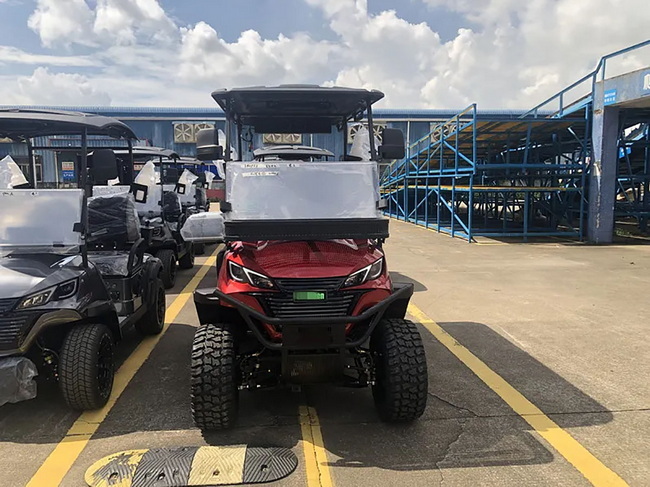
Besides total years of life, owners care about how long an electric golf cart can run on each charge and how this changes with age. Range per charge declines gradually as the battery chemistry ages.[15][16][7]
- Many electric golf carts travel around 25–40 miles on a full charge with healthy batteries, depending on model, terrain, and load.[16][15]
- Lead-acid-powered electric golf carts often achieve 20–40 miles per charge, while lithium-equipped models can reach 50 miles or more in favorable conditions.[16]
- As batteries near the end of life, range drops, acceleration feels weaker, and charging times may increase, signaling that replacement is due.[17][18]
Cold temperatures can temporarily reduce available range because batteries deliver less energy at low temperatures, particularly lead-acid types. Conversely, very high temperatures may improve short-term capacity but accelerate long-term degradation of the battery pack in an electric golf cart.[15][7][3]
Weight and passenger load matter too: carrying extra passengers, cargo, or towing equipment increases current draw and shortens each charge and, over time, battery life as well. Designing routes, speeds, and loads appropriately allows operators to preserve both daily range and multi-year lifespan of the electric golf cart.[10][12][2][1]
Consistent maintenance is one of the most powerful ways to extend how long an electric golf cart lasts. A simple, scheduled checklist can add years to both cart and battery life.[9][12][2]
- Inspect and clean battery terminals regularly, keep connections tight, and for lead-acid batteries maintain proper water levels with distilled water.[2][1]
- Charge the electric golf cart after each day's use, avoid deep discharges, and always use the compatible charger recommended by the manufacturer.[1][2]
- Check tire pressure, brake function, and steering components frequently to reduce stress on the motor and improve safety and efficiency.[12][2]
- Address small issues such as unusual noises, reduced range, or intermittent power immediately before they evolve into costly failures.[12][1]
Scheduling periodic deep inspections—such as annual or semi-annual checks—helps technicians catch hidden problems like cracked frames, worn suspension bushings, or degraded cables inside the electric golf cart. Fleet operators often combine this with record-keeping so they can track repair history for every cart and predict when major work or replacement will be required.[9][10][2][12]
Cleaning routines are also important: washing away mud, fertilizer, road salt, and other contaminants reduces corrosion on frames, battery trays, and fasteners. Owners who store an electric golf cart indoors, ideally with controlled humidity and ventilation, almost always see longer lifespans than those who leave carts exposed outdoors year-round.[3][12][1]
Knowing when an electric golf cart should be upgraded or retired helps avoid downtime and unexpected costs. In many cases, replacing batteries and a few key components gives the cart a “second life.”[5][10][1][3]
- Signs that an electric golf cart is nearing the end of its practical life include severe frame rust, repeated controller failures, or chronic electrical problems.[10][1]
- If the chassis remains solid, investing in a new lithium battery pack, upgraded controller, or improved suspension can make an older electric golf cart perform like a newer model.[5][1]
- For very old carts with obsolete parts, it may be more economical to transition to a modern electric golf cart platform offering higher efficiency and safer electronics.[9][3]
When evaluating upgrade options, owners should compare the cost of major repairs and battery replacement with the price of a new electric golf cart that includes the latest safety, comfort, and connectivity features. In many cases, fleet owners choose phased replacement, retiring the most worn units while upgrading mid-life carts with fresh batteries and electronics.[8][10][3][9]
Resale value is another factor: a well-maintained electric golf cart with service records, healthy batteries, and a clean chassis typically commands higher prices on the used market. Treating maintenance as an investment rather than a cost can therefore pay off both in daily reliability and eventual resale revenue.[6][10][3]
For brand owners, wholesalers, and manufacturers, the long-term durability of an electric golf cart directly affects reputation and total cost of ownership for end customers. Choosing an experienced OEM partner with mature engineering and quality control can add years to the useful life of every electric golf cart in a fleet.[4][8][3][9]
- Robust frame materials, corrosion-resistant coatings, and carefully designed wiring harnesses reduce failures in demanding environments.[1][3]
- Matching high-quality motors, controllers, and batteries ensures that the electric golf cart operates efficiently without stressing components unnecessarily.[8][1]
- OEMs that focus on modular design make it easier to upgrade future generations of batteries or electronics, extending the platform life of the electric golf cart line.[8][9]
Consistent testing—such as vibration tests, salt-spray corrosion trials, and long-cycle endurance runs—gives OEMs data to refine each new generation of electric golf cart. Over time, this process increases reliability in real-world use and reduces warranty claims, benefiting both trade partners and end users.[4][3][1]
For international partners looking to supply large fleets of electric golf cart models under their own brands, working with a specialized OEM that understands export standards, certification, and after-sales service is especially valuable. This ensures that every electric golf cart delivered to golf courses, resorts, and communities meets performance expectations across its full lifespan, not just in the first year.[4][8][3][9]
An electric golf cart can reliably serve for 10–20 years, and sometimes even longer, when supported by smart design, high-quality components, and disciplined maintenance. Battery packs—whether lead-acid or lithium-ion—are the main consumables and typically need replacement every 3–12 years depending on chemistry, depth of discharge, and charging habits. By choosing a well-engineered electric golf cart, using appropriate batteries, following a clear maintenance schedule, and upgrading components at the right time, owners can dramatically extend both performance and lifespan while keeping total cost of ownership under control.[13][7][2][4][3][1]
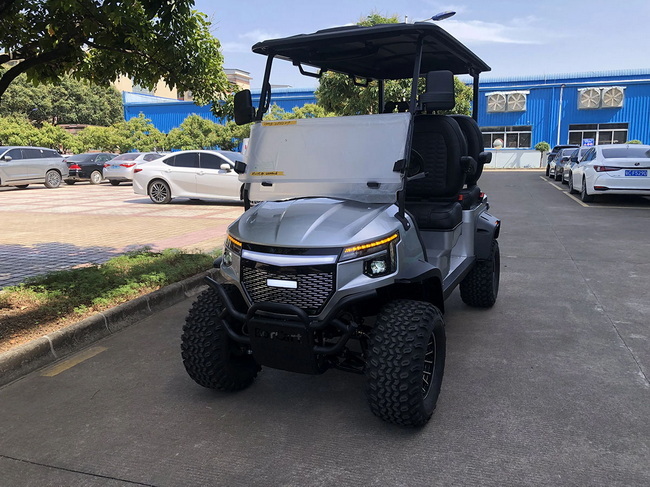
Most electric golf carts last around 10–15 years in typical use, and up to 20 years or more with excellent care and moderate operating conditions. Regular maintenance of the batteries, brakes, and electrical system is essential to reach the upper end of that range.[2][12][1]
Lead-acid batteries in an electric golf cart usually need replacement every 3–5 years, or about 4–6 years with very good maintenance and lighter use. Lithium-ion packs can often last 8–12 years or more, making them a long-term option if the upfront cost fits the budget.[14][11][7][13]
A well-maintained electric golf cart can match or exceed the total service hours of many gas carts, especially in lighter duty use. However, gas carts rely on engine components rather than batteries, so the pattern of replacements and maintenance differs even if the total lifespan band overlaps.[6][3]
Many electric golf carts can travel around 25–40 miles per charge with healthy batteries, average loads, and moderate terrain. Lithium-powered electric golf carts may reach 50 miles or more on a single charge in favorable conditions, while heavily loaded carts on hills will see shorter ranges.[15][16]
Warning signs include significantly reduced range even with new batteries, frequent controller or motor failures, and serious rust or structural damage to the frame. When safety, reliability, or repair costs become persistent problems, upgrading to a newer electric golf cart platform is usually the best long-term decision.[17][10][3]
[1](https://wis-tek.com/blogs/knowledge/life-expectancy-of-an-electric-golf-cart-explained)
[2](https://taraelectricvehicles.com/blog/2025/06/10/electric-golf-cart-maintenance-tips-for-longevity-and-performance/)
[3](https://www.vatrerpower.com/blogs/news/what-is-the-life-expectancy-of-a-golf-cart)
[4](https://www.bennelsongolfcars.com/blog/how-long-does-an-electric-golf-cart-last--59793)
[5](https://hartvillegolfcarts.com/how-long-does-electric-golf-cart-last/)
[6](https://vovexgolf.com/blogs/golf/how-long-do-golf-carts-last)
[7](https://bslbatt.com/blogs/golf-cart-battery-lifespan-how-long-do-batteries-last/)
[8](https://swiftevgolfcarts.com/how-long-do-swift-ev-golf-carts-last-a-comprehensive-guide/)
[9](https://golfcarts.com/how-to-maintain-your-golf-cart/)
[10](https://www.vacarsandcarts.com/understanding-the-life-expectancy-of-used-golf-carts/)
[11](https://islegolfcars.com/golf-cart-service/how-long-do-golf-cart-batteries-last/)
[12](https://www.vipgolfcartservice.com/blog/factors-that-impact-the-lifespan-of-a-golf-cart--65159)
[13](https://www.continentalbattery.com/blog/what-is-the-lifespan-of-a-golf-cart-battery-and-5-signs-yours-needs-to-be-replaced)
[14](https://www.interstatebatteries.com/blog/golf-cart-batteries)
[15](https://www.kandiamerica.com/golf-cart-battery-lifespan-guide/)
[16](https://smalltownev.com/how-long-do-electric-golf-cart-batteries-last/)
[17](https://thecartsource.com/how-to-know-when-to-replace-your-golf-cart-batteries/)
[18](https://battlebornbatteries.com/how-long-do-golf-cart-batteries-last/)


