


Views: 222 Author: Leah Publish Time: 2026-01-08 Origin: Site


Content Menu
● What “Lifespan” Really Means for an Electric Golf Cart
● Typical Lifespan Range of an Electric Golf Cart
● Battery Life vs Cart Life: Understanding the Difference
● Key Factors That Affect Lifespan
● Battery Types and Their Expected Service Life
● How Usage Patterns Influence Battery and Cart Longevity
● Maintenance Practices That Extend Electric Golf Cart Life
● Charging and Storage Best Practices
● Signs Your Electric Golf Cart Is Nearing the End of its Useful Life
● When to Replace Batteries vs the Entire Electric Golf Cart
● Electric vs Gas Golf Cart Longevity
● How OEM Quality and Component Selection Influence Lifespan
● Using Electric Golf Carts in Different Applications
● Cost of Ownership Over the Life of an Electric Golf Cart
● Practical Tips to Maximize the Life of Your Electric Golf Cart
● FAQ
>> 1. How many years does an electric golf cart usually last?
>> 2. How often do I need to replace electric golf cart batteries?
>> 3. What maintenance helps my electric golf cart last longer?
>> 4. Does terrain affect the life of an electric golf cart?
>> 5. Is it better to repair an old electric golf cart or buy a new one?
An electric golf cart is one of the most durable and versatile light vehicles available for golf courses, resorts, communities, and commercial users when it is built well and maintained correctly. Under real‑world conditions, many owners can expect an electric golf cart to provide between 10 and 20 years of service, with some high‑quality models lasting even longer. To understand the true lifespan, it is important to look at the cart as a complete system: frame, motor, controller, batteries, and how they are used and cared for over time.[1][2][3]
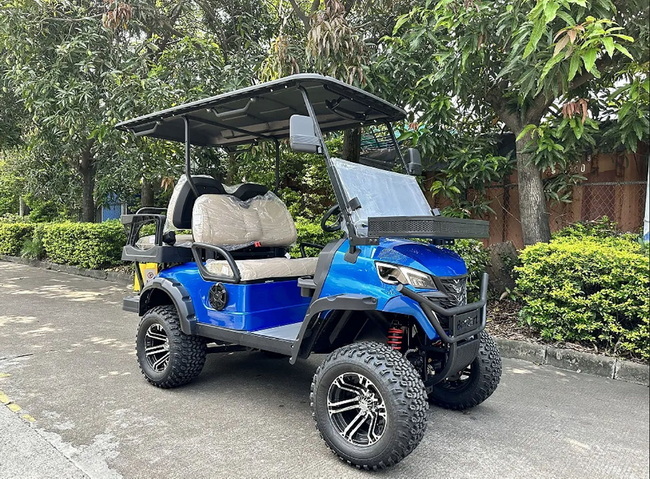
When people ask how long an electric golf cart lasts, they usually mix up two different ideas: the life of the vehicle structure and drivetrain, and the life of the battery pack.[3]
- The chassis, frame, suspension, steering, and body panels of a quality electric golf cart can easily survive for more than a decade if they are not abused or heavily corroded.[2]
- The electric motor and controller are often capable of thousands of hours of operation, especially when they are kept clean, dry, and properly cooled during regular use.[4]
In most cases, the cart's “death” in everyday conversation actually refers to batteries that no longer hold a charge well, even though the frame and electric drive system still have many years of life left.[5]
Across golf courses, residential communities, and commercial fleets, the typical lifespan of an electric golf cart falls in the 10–20 year range, with many carts pushing beyond this when they receive proper maintenance and moderate use.[2]
- Light‑duty electric golf carts that spend their time on smooth fairways and paved paths can remain reliable for 20 years or more, especially with periodic refurbishment and battery replacement.[1]
- Heavy‑use electric golf carts used in resorts, rental fleets, or industrial facilities may reach the lower end of that range due to higher daily mileage, heavier loads, and more demanding terrain.[6]
Instead of a single fixed number, the lifespan of an electric golf cart is better understood as a curve: the more care and protection it receives, the longer it can stay in productive service.[3]
The battery pack is one of the most frequently replaced parts of an electric golf cart and often the most visible sign of aging performance. As batteries wear, range drops, charging time changes, and the cart may struggle on hills or under load.[7]
- Lead‑acid batteries, which remain common in many electric golf carts, usually provide between 3 and 6 years of useful life when properly charged and maintained.[8]
- AGM (absorbed glass mat) batteries, another lead‑acid variant, tend to last slightly longer and require less routine watering, though they are more expensive.[9]
Lithium‑ion batteries offer a significantly longer service life, often 8–10+ years, and can maintain consistent voltage and performance until close to end of life. Over the full lifespan of an electric golf cart, owners may change lead‑acid packs several times, while a single lithium pack can potentially cover most or all of the cart's usable life.[10][11]
No matter how well an electric golf cart is designed, its real‑world lifespan depends heavily on how and where it is used. Several major factors have an outsized impact on longevity:[6]
- Usage intensity: A cart used all day on a busy golf course or resort will age faster than a cart used only a few times per week in a retirement community.[6]
- Load and passengers: Regularly carrying maximum passenger loads, towing equipment, or hauling cargo stresses the motor, controller, suspension, and brakes.[3]
Environmental exposure also plays a critical role. Electric golf carts stored outside without cover face relentless sun, rain, and humidity, which can cause fading, cracking plastics, rust, and accelerated aging of electrical connections. By contrast, carts kept in covered or indoor storage maintain their appearance and structure for much longer.[12]
Different battery chemistries bring different performance and lifespan characteristics to an electric golf cart. Choosing the right type is one of the most important decisions when planning long‑term cart ownership.[7]
- Flooded lead‑acid: The most traditional option, relatively affordable but requiring regular watering and cleaning; typical life is about 3–5 years, sometimes stretching to 6 years with excellent maintenance.[8]
- AGM lead‑acid: Sealed and maintenance‑reduced compared with flooded batteries, often lasting 5–7 years but at a higher purchase price.[9]
Lithium‑ion batteries deliver a much higher cycle life, often rated for 3,000–5,000 cycles, which can translate into 8–12 years of real‑world use in an electric golf cart. They are lighter, charge faster, and maintain power better under load, helping both performance and long‑term operating cost.[13][10]
Daily driving habits directly affect both battery health and overall wear on an electric golf cart. Several usage patterns can either maximize or reduce longevity:[3]
- Frequent deep discharges, where the battery pack is regularly run close to empty, shorten the life of lead‑acid batteries by encouraging sulfation.[7]
- Short, partial discharges with regular recharging usually help batteries last longer, especially when paired with smart chargers and balanced charge routines.[14]
Driving style also matters. Smooth acceleration, gentle braking, and keeping speeds reasonable reduce current draw and mechanical stress. Aggressive driving, heavy hill climbing, and abrupt stops increase heat and stress on the motor, controller, brakes, and suspension, in turn reducing the lifespan of the electric golf cart.[6][3]
Regular, structured maintenance can add years to the useful life of an electric golf cart and dramatically reduce unplanned downtime. Simple routines performed on a monthly or seasonal basis can make a large difference.[3]
- Battery care: Checking electrolyte levels in flooded batteries, topping up with distilled water, cleaning corrosion from terminals, and verifying cable tightness all support good performance and longevity.[7]
- Tires and brakes: Keeping tires inflated to recommended pressures, rotating them when needed, and inspecting brake pads and cables prevent unnecessary strain on the drivetrain and improve safety.[6]
Owners should also periodically inspect suspension components, steering joints, and leaf springs for wear or damage, particularly on electric golf carts used in resorts, hunting areas, or off‑road environments. Catching early signs of wear allows small, affordable repairs instead of major component failures later.[3][6]
Charging and storage habits are essential to protect both the battery pack and the electronic components of an electric golf cart. Good habits not only extend battery life but also improve range and reliability.[14]
- For lead‑acid batteries, it is usually best to recharge the electric golf cart soon after each use rather than letting the pack sit partially discharged for long periods.[7]
- Over‑charging or using an incompatible charger can overheat batteries and damage internal plates or electronics, which shortens battery life and can affect the charger or controller.[14]
During long storage periods, such as off‑season months, electric golf carts should be stored in a dry, cool place with batteries fully charged and checked periodically. Using a maintenance mode or smart charger that periodically tops up the battery prevents deep self‑discharge and preserves capacity.[12][14]
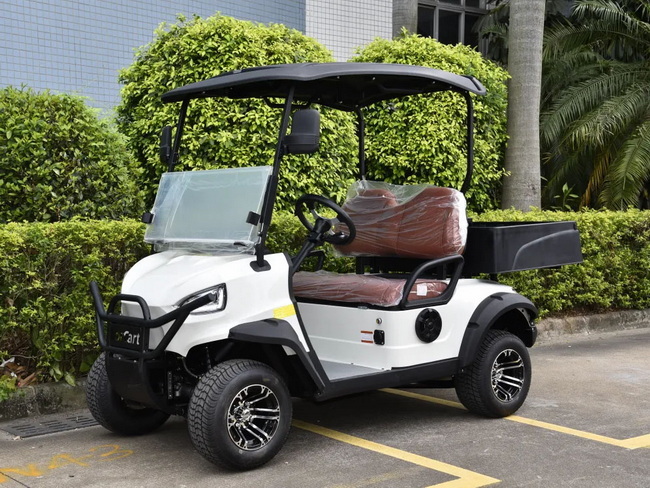
Even with good care, there comes a point when further repairs are less economical than replacement. Recognizing these signs early helps owners plan budgets and avoid unexpected downtime.[15]
- Persistent electrical issues, such as intermittent power loss, recurring controller errors, or chronic wiring faults across different systems, may indicate that the electric golf cart has aging electrical infrastructure that is costly to rebuild.[6]
- Structural problems like heavy frame rust, cracked welds in key load‑bearing areas, or badly corroded battery trays can affect safety and may be uneconomical to repair compared with purchasing a newer cart.[12]
If an older electric golf cart requires a new battery pack, motor, controller, major brake overhaul, extensive wiring work, and cosmetic restoration all at once, the combined cost can start to approach or even exceed the price of a more modern replacement unit.[15]
Owners often face a decision: invest in new batteries or upgrade the entire electric golf cart. The right answer depends on the condition of the rest of the vehicle.[8]
- If the frame is solid, the suspension works correctly, steering feels tight, and the motor and controller pass basic checks, then replacing a worn battery pack—whether with fresh lead‑acid or lithium—is usually a smart investment.[4]
- If the cart also has significant rust, worn suspension, failing electronics, and poor cosmetics, sinking more money into a full battery replacement might not be the best long‑term decision.[15]
In many cases, upgrading an older but structurally sound electric golf cart with a lithium battery pack, plus a few refreshed components such as tires, seats, or lights, can essentially “reset” the vehicle for another 5–10 years of reliable use.[10]
While gas and electric golf carts are both widespread, they age differently due to their distinct drivetrains. Understanding these differences can help buyers choose the best long‑term solution.[16]
- Gas carts rely on internal combustion engines that require oil changes, fuel filters, air filters, spark plugs, and occasional carburetor or fuel system service, which adds ongoing maintenance demands over the years.[16]
- Electric golf carts have fewer moving engine components, with the primary wear parts being batteries, tires, suspension elements, and brake components.[2]
Because of their simpler drivetrains and the long life of electric motors, well‑maintained electric golf carts can match or exceed the operational life of many gas carts, especially when owners are disciplined about battery care.[2]
The starting quality of an electric golf cart, including its design, materials, and manufacturing standards, has a major impact on how long it can serve in demanding environments.[1]
- Strong, corrosion‑resistant frames, high‑grade steel, durable coatings, and weather‑sealed electrical connections all help protect an electric golf cart from environmental damage over many years.[4]
- Choosing reputable motors, controllers, and battery suppliers reduces the risk of early component failures that would otherwise shorten the cart's effective lifespan.[1]
For overseas brand owners, wholesalers, and manufacturers who rely on OEM electric golf cart production, prioritizing quality in critical components and rigorous testing under real‑world conditions ensures that fleets perform consistently and stay reliable for customers over the long term.[17]
Electric golf carts are no longer limited to fairways; they now serve in communities, campuses, resorts, industrial parks, farms, hunting grounds, and tourism operations. Each application places different stresses on the vehicle.[17]
- On golf courses and resorts, electric golf carts typically carry two to eight passengers on relatively smooth paths, emphasizing comfort, quiet operation, and consistent range.[2]
- In industrial and utility settings, electric golf carts may haul tools, materials, or towing loads, which increases mechanical wear and highlights the importance of stronger suspensions and higher‑capacity battery systems.[6]
Hunting and multi‑purpose versions of electric golf carts often handle rough terrain, mud, and steep slopes, which demands robust frames, high‑torque motors, and reinforced components to avoid premature damage. Matching the design of the electric golf cart to the environment is one of the best ways to prevent early failures and maintain a long service life.[3][6]
Total cost of ownership across the lifespan of an electric golf cart includes purchase price, battery replacements, maintenance, repairs, and energy costs. Understanding these costs helps owners and fleet managers plan long‑term budgets.[17]
- Electricity is generally cheaper per mile than gasoline, so electric golf carts often deliver lower operating costs, especially in fleets that rack up many hours of use each season.[17]
- Battery pack replacements represent the largest periodic expense for most owners, particularly with lead‑acid systems that require more frequent renewal.[7]
Switching to lithium batteries can increase upfront cost but reduce the number of replacements and the maintenance burden over the whole life of the electric golf cart. When combined with minimal engine maintenance and simple service routines, electric golf carts can offer very competitive lifetime cost compared with gas models.[10][16]
Owners can significantly extend the lifespan of an electric golf cart by following a few practical guidelines day‑to‑day.[3]
- Avoid consistent overloading; respect the cart's rated passenger and cargo limits to reduce stress on suspension, brakes, and driveline.[6]
- Keep the cart clean, especially around the battery compartment, to prevent corrosion and allow better cooling of electrical components.[8]
Parking the electric golf cart under cover or indoors whenever possible protects the body, seat materials, and electrical connections from sun and rain damage. Using a high‑quality, compatible charger and following manufacturer recommendations for charging cycles will help keep batteries healthy for as long as possible.[12][14]
An electric golf cart does not have a single fixed lifespan, but most owners can reasonably expect 10–20 years of service, with many carts lasting longer under light use and consistent, proactive maintenance. The main consumable component is the battery pack, which typically needs replacement every 3–10 years depending on whether the cart uses flooded lead‑acid, AGM, or lithium‑ion technology and how carefully it is charged and stored. By choosing high‑quality OEM components, matching the electric golf cart's design to its intended environment, and implementing simple maintenance, charging, and storage best practices, owners and fleet operators can maximize durability, control long‑term costs, and enjoy reliable performance for many seasons.[10][1][8][17][3]
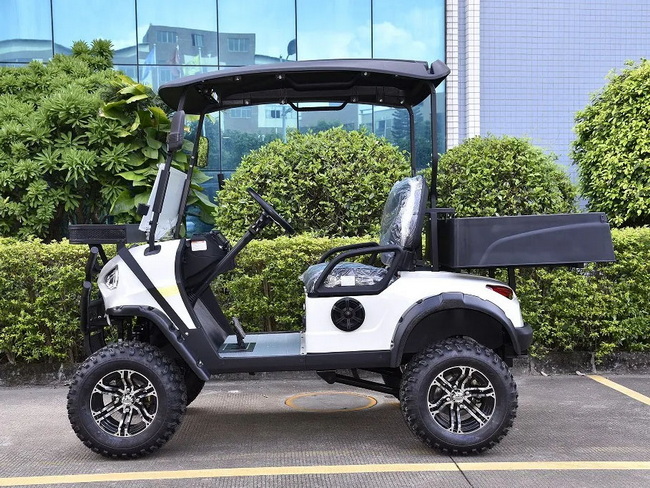
Most electric golf carts last around 10–20 years when owners perform regular maintenance, protect them from harsh weather, and avoid overloading or abuse. With high‑quality components and gentle use, some electric golf carts can remain in service for several decades, especially with periodic refurbishments and battery upgrades.[1][2]
Flooded lead‑acid batteries in an electric golf cart generally need replacement every 3–5 years, or up to about 6 years with excellent care and moderate use. Lithium‑ion packs often last 8–10+ years, meaning some owners may only replace the batteries once—or not at all—over the entire life of the electric golf cart.[8][10]
Key tasks include checking and topping up water levels in flooded batteries, cleaning terminals, inspecting brakes and steering, and keeping tires at the recommended pressure. Covering or garaging the electric golf cart and using a compatible smart charger also help prevent corrosion and extend both battery life and vehicle lifespan.[14][12][3]
Yes, rough, hilly, or off‑road terrain subjects the electric golf cart's motor, controller, suspension, and frame to greater stress, which can reduce lifespan. Carts used mainly on smooth, level paths experience lighter loads and typically last longer with fewer major repairs over their lifetime.[12][6]
Repairing is usually worthwhile if the frame is solid and the electric golf cart mainly needs a new battery pack or a few mechanical components. If the cart suffers from structural rust, failing electronics, worn suspension, and tired batteries all at once, investing in a newer electric golf cart often provides better long‑term value and reliability.[4][15]
[1](https://vovexgolf.com/blogs/golf/how-long-do-golf-carts-last)
[2](https://taraelectricvehicles.com/blog/2025/05/30/what-is-the-life-expectancy-of-a-golf-cart/)
[3](https://wis-tek.com/blogs/knowledge/life-expectancy-of-an-electric-golf-cart-explained)
[4](https://hartvillegolfcarts.com/how-long-does-electric-golf-cart-last/)
[5](https://www.bennelsongolfcars.com/blog/how-long-does-an-electric-golf-cart-last--59793)
[6](https://www.vipgolfcartservice.com/blog/factors-that-impact-the-lifespan-of-a-golf-cart--65159)
[7](https://www.interstatebatteries.com/blog/golf-cart-batteries)
[8](https://www.continentalbattery.com/blog/golf-cart-batteries-3-signs-it-s-time-for-a-replacement-and-how-to-do-it-yourself)
[9](https://www.abyssbattery.com/blogs/news/how-long-should-golf-cart-batteries-last)
[10](https://www.redodopower.com/blogs/learn-about-lithium/how-long-do-48-volt-lithium-golf-cart-batteries-last)
[11](https://bslbatt.com/blogs/golf-cart-battery-lifespan-how-long-do-batteries-last/)
[12](https://clevenard.com/blogs/view/1371/what-factors-can-affect-the-life-of-a-golf-cart?language=german)
[13](https://battlebornbatteries.com/how-long-do-golf-cart-batteries-last/)
[14](https://www.kandiamerica.com/golf-cart-battery-lifespan-guide/)
[15](https://www.vacarsandcarts.com/understanding-the-life-expectancy-of-used-golf-carts/)
[16](https://jsgolfcarts.com/blog/how-long-do-golf-carts-last/)
[17](https://evtitan.com/what-affects-the-long-term-ownership-costs-of-electric-golf-carts/)


