


Views: 222 Author: Leah Publish Time: 2026-02-03 Origin: Site


Content Menu
● Understanding Electric Golf Cart Battery Lifespan
● Lead‑Acid vs Lithium in an Electric Golf Cart
>> Lithium‑Ion / LiFePO4 Batteries
● Key Factors That Affect Battery Life
>> Temperature and Environment
● Typical Range and Daily Performance
● Signs Your Electric Golf Cart Battery Needs Replacement
● How to Extend Battery Life in an Electric Golf Cart
● Replacement and Upgrade Options for an Electric Golf Cart
● Choosing the Right Battery for Your Electric Golf Cart
● FAQ
>> 1. How many years does a battery usually last in an electric golf cart?
>> 2. How often should I charge my electric golf cart?
>> 3. How do I know when my electric golf cart batteries are bad?
>> 4. Are lithium batteries worth it for an electric golf cart?
>> 5. What is the best way to store my electric golf cart during the off‑season?
An electric golf cart battery is the heart of every electric golf cart, and its lifespan directly affects how far, how fast, and how reliably you can drive. If you are a course operator, a community user, or a commercial fleet owner, understanding how long a battery lasts and how to extend its life will save you time, money, and frustration.
In this guide, we will look at typical lifespans for different types of batteries, what really affects their longevity, how to maintain them, and when to replace or upgrade them. Throughout the article, the focus stays on practical advice for real‑world electric golf cart use.
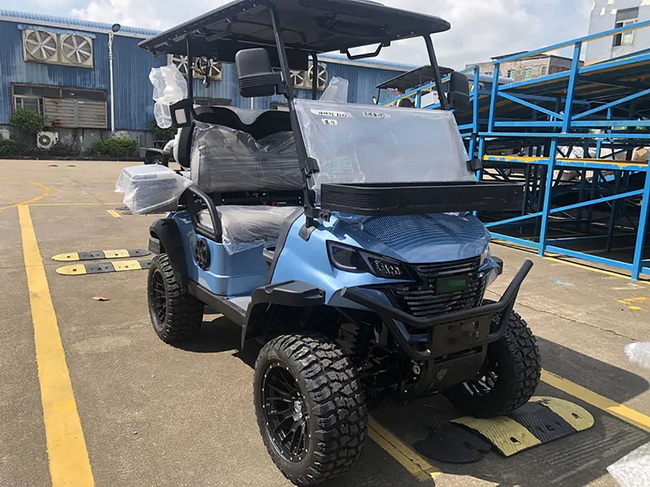
In most standard setups, lead‑acid batteries used in an electric golf cart last around four to six years under normal conditions. When drivers use the cart daily, charge properly, and carry out basic maintenance, this range is realistic. In harsher conditions, such as frequent heavy loads, extreme temperatures, and irregular charging, lead‑acid batteries may only last two to three years.
Lithium‑ion or LiFePO4 batteries used in a modern electric golf cart typically last much longer, often eight to twelve years. They support many more charge cycles and lose capacity more slowly over time. This makes lithium particularly attractive for applications where the electric golf cart runs every day, such as resorts, industrial parks, and large communities.
A core concept in battery life is the charge cycle. One cycle means you have used a certain amount of energy and then recharged it, often described as one full discharge and recharge. Lead‑acid golf cart batteries usually provide hundreds of useful cycles before their capacity drops significantly, while lithium batteries may provide thousands. The more cycles a battery can handle before its capacity falls below about 80 percent of the original, the longer it will effectively serve in your electric golf cart.
Choosing between lead‑acid and lithium batteries is one of the most important decisions you will make for an electric golf cart. Both technologies can power your cart effectively, but they differ in cost, maintenance needs, performance, and lifespan.
Lead‑acid batteries, especially flooded deep‑cycle types, have been used for decades in electric golf cart systems. They are widely available and offer a relatively low purchase price. In day‑to‑day use, they can deliver solid performance and decent range, especially when they are new and fully charged.
However, lead‑acid batteries are heavy and sensitive to how they are used and charged. If you frequently discharge them very deeply or leave them sitting in a low state of charge, they suffer permanent damage. Over time, you will notice that your electric golf cart travels shorter distances, accelerates more slowly, and struggles more on hills. These changes are signs of capacity loss in the lead‑acid pack.
Lithium batteries are a more recent option for the electric golf cart market. They cost more upfront but bring several advantages. They weigh less, which improves acceleration, braking, and sometimes range. They also maintain more consistent power throughout the discharge cycle, so your electric golf cart tends to feel strong and lively even when the battery is not full.
Most importantly, lithium batteries offer a much higher cycle life and longer calendar life. With proper charging and suitable operating conditions, they may continue to perform well long after a typical lead‑acid pack needs replacement. For high‑usage scenarios, this difference can more than offset the higher initial price.
Several real‑world factors decide how long batteries last in an electric golf cart. Even the best battery will wear out quickly if treated poorly, while moderate care can significantly extend its service life.
How you use your electric golf cart has a huge influence on battery life. If you constantly run the pack down very low, especially with lead‑acid, you will shorten its lifespan. Shallow, frequent discharges are usually easier on the battery. For example, using the cart for a few rounds or short trips and recharging soon afterward tends to be better than repeatedly draining it almost to empty.
Weight and terrain also matter. Carrying heavy passengers or cargo, driving on steep or uneven ground, or using the electric golf cart for towing puts additional stress on the batteries. The motor demands more current, which increases heat and accelerates wear. Planning routes, limiting unnecessary weight, and avoiding extreme loads when possible will help preserve both range and lifespan.
Charging habits are one of the most important and most often overlooked aspects of electric golf cart battery care. Overcharging can cause excessive heat and, in the case of flooded lead‑acid batteries, increased water loss and plate damage. Undercharging, on the other hand, allows certain chemical deposits to build up inside, which reduces capacity and shortens life.
The best approach is to use a high‑quality charger that is correctly matched to your battery type and voltage. For most owners, charging the electric golf cart after each day of use works well. Avoid repeatedly running the pack extremely low before charging. Whenever possible, keep the state of charge in a moderate to high range rather than swinging from full to nearly empty.
Batteries are sensitive to temperature. Very high temperatures accelerate chemical degradation, causing the battery to age faster even if you are not driving the electric golf cart. Very low temperatures reduce available capacity temporarily and can also stress certain chemistries.
Storing and operating your electric golf cart in a moderate climate is ideal. When that is not possible, try to park it in shaded, cool, and dry areas rather than direct sun or unventilated sheds that trap heat. Avoid exposing the battery pack to standing water, corrosive substances, or environments with persistent high humidity, all of which can damage terminals, connectors, and cases.
Regular maintenance is essential, especially for lead‑acid batteries. Flooded cells need periodic checks of the electrolyte level. If the level is too low, you may add distilled water to keep plates covered, following manufacturer instructions. Terminals should be kept clean and tight. Corrosion, which appears as whitish or bluish buildup, can increase resistance and generate heat.
Inspect cables and connections for cracks, looseness, or discoloration. These can be signs of overheating or physical stress. For lithium batteries, routine maintenance is simpler, but you should still check mounting hardware, connectors, and the battery management system indicators. Any electric golf cart benefits from a monthly visual inspection of the battery area.
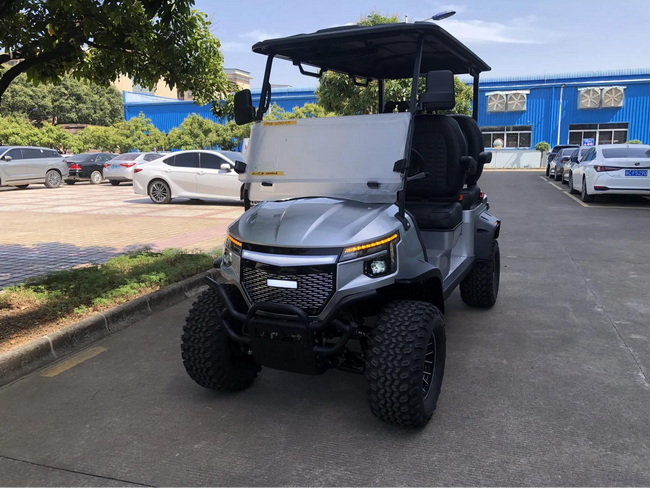
Battery lifespan is not just about years; it is also about how far your electric golf cart can travel on a single charge and how consistent that performance remains over time. When batteries are new, a standard electric golf cart commonly offers a range in the ballpark of several dozen kilometers or twenty‑plus miles, depending on battery capacity, weight, and driving style.
As batteries age, the capacity drops and range naturally shrinks. You might notice that a route you used to finish comfortably now pushes the electric golf cart near empty by the end of the day. Hills become harder to climb, and acceleration feels lazier. These subtle changes are early indicators that your battery pack is aging, even before it fails outright.
Lithium‑powered electric golf carts often maintain stronger, more stable performance during each charge. Instead of gradually losing power as the pack discharges, they tend to stay more consistent until the charge is relatively low. For users who value smooth, predictable performance, this can be a major advantage.
No battery lasts forever. Knowing the signs of a failing battery pack allows you to plan ahead, avoid breakdowns on the course or in the community, and budget for a timely replacement.
Common warning signs include the following:
- The electric golf cart has noticeably reduced range, even when the battery shows a full charge at the start of the day.
- The cart accelerates slowly or struggles more than usual on inclines and uneven ground.
- The pack takes much longer to charge or never seems to reach a proper full level.
- You observe swollen battery cases, leaks, or strong odors around the battery compartment.
- There is heavy or recurring corrosion on terminals and cables, even after cleaning.
If several of these symptoms appear at once, the pack is probably near the end of its useful life. At that point, investing in new batteries or even upgrading the technology may be more cost‑effective than continuing to maintain a weak pack. Replacing batteries at the right moment can also protect the motor, controller, and wiring in your electric golf cart from stress caused by low voltage and unstable power.
Good habits can add years to the working life of batteries in an electric golf cart. Many of these steps are simple and require only a little extra attention.
First, charge consistently. Try to develop a routine where you plug in the electric golf cart after use, preferably in a well‑ventilated area. Avoid letting the pack sit in a low state of charge for long periods. Even during off‑season storage, check the state of charge from time to time and top it up according to the manufacturer's guidance.
Second, keep the battery area clean and dry. Wipe up any spills promptly, prevent dirt and debris from accumulating on the batteries, and check that the hold‑down hardware is secure but not overly tight. A clean, stable installation helps prevent damage from vibration and movement when the electric golf cart is in motion.
Third, follow all manufacturer recommendations regarding water levels, charging voltages, and equalization routines for lead‑acid batteries. If your electric golf cart uses lithium packs, respect the limits and indications of the battery management system. Never attempt unsafe modifications or use chargers that are not suitable for your particular pack.
Driving style can either help or harm your batteries. Aggressive acceleration, repeated full‑throttle driving, and hard braking all increase energy use and heat generation. A smoother, more moderate driving style extends range and reduces the average load on the battery pack of your electric golf cart.
Avoid carrying unnecessary weight in the cart, and distribute loads evenly as much as possible. If your electric golf cart often pulls trailers or heavy equipment, be realistic about the demands you are placing on the system. In such cases, upgrading to a larger capacity pack or a more robust technology, such as lithium, may be a wise move.
Eventually, every battery pack will need replacement. At that point, you can either install a similar lead‑acid pack or consider upgrading to lithium. The best choice depends on budget, usage intensity, and performance expectations for your electric golf cart.
If you are satisfied with the current performance and range and you value the lowest purchase price, staying with lead‑acid batteries may make sense. Many suppliers offer high‑quality deep‑cycle lead‑acid batteries specifically designed for electric golf cart use. When installed and maintained correctly, these can give several more years of solid service.
For fleets or rental operations that already have chargers, maintenance routines, and staff training centered around lead‑acid technology, replacing like‑for‑like can reduce complexity. The key is selecting reputable batteries, installing them properly, and doubling down on good maintenance habits from day one.
If you want better performance, lower maintenance, and longer life, upgrading to a lithium pack can transform the way your electric golf cart behaves. The weight reduction alone can improve acceleration and hill‑climbing. Many users also appreciate the faster charging capabilities and the absence of routine watering and heavy corrosion.
However, a conversion often involves more than simply swapping batteries. You may need a compatible charger, appropriate mounting hardware, and a battery management system. In some cases, the controller might need adjustment or replacement to match the new pack. Working with experienced technicians or reputable suppliers is important to ensure the upgrade is safe and reliable.
For businesses that operate large fleets of electric golf cart vehicles, the longer replacement interval and reduced downtime of lithium systems can significantly improve total cost of ownership. Even individual owners who use their carts heavily may find that the investment pays off over many seasons of trouble‑free operation.
When selecting a new battery pack, it helps to think beyond just price. Consider your driving patterns, environment, and long‑term plans. Ask yourself how many hours per day or week the electric golf cart is in use, whether it routinely carries heavy loads, and how important long range and strong performance are to you.
If you run a golf course or resort, consistent performance and uptime might justify a more advanced battery system. For a homeowner using an electric golf cart primarily for occasional trips around a gated community, a well‑maintained lead‑acid pack might be perfectly adequate. Matching technology to your needs leads to better satisfaction and better value over the life of the vehicle.
Talking with suppliers and technical experts can also be helpful. They can recommend specific capacities, chemistries, and configurations for your type of electric golf cart, as well as compatible chargers and accessories. By treating the battery as an integrated part of the entire system rather than a simple commodity, you will get better, more reliable results.
In a well‑maintained electric golf cart, standard lead‑acid batteries usually last around four to six years, while modern lithium packs can often deliver eight to twelve or more years of service. Real‑world lifespan depends heavily on how the cart is used, how deeply the batteries are discharged, how they are charged, and how carefully they are maintained.
By adopting good charging habits, avoiding deep discharges, keeping terminals clean, and storing the electric golf cart in suitable conditions, owners can significantly extend battery life. When the time comes for replacement, carefully weighing the advantages of lead‑acid and lithium technologies will help you choose the right option for your budget and performance goals. With a thoughtful approach, your electric golf cart can remain a dependable, efficient partner for many years.
Contact us to get more information!
Most lead‑acid batteries last between four and six years in an electric golf cart when they are charged correctly and maintained regularly. In more demanding usage or harsh environments, the lifespan may be shorter. Lithium batteries typically last much longer, often eight to twelve years, because they can handle many more charge cycles before losing significant capacity.
For most users, it is best to charge the electric golf cart after each day of use rather than waiting for the battery to run almost empty. Regular top‑up charging helps avoid deep discharges that stress the pack. During periods of light use, you can still charge frequently, but avoid leaving the cart plugged in with unsuitable chargers that may overcharge or undercharge the batteries.
You can suspect a failing pack when your electric golf cart suddenly offers much less range than before or struggles on hills and under load. If charging takes longer, the charger shuts off unusually early, or the voltage drops quickly after a short drive, these are strong signs of aging batteries. Visible damage, swelling, leaks, or heavy corrosion provide additional confirmation that replacement is needed.
Lithium batteries cost more initially but provide longer lifespan, lighter weight, stronger performance, and lower routine maintenance. For electric golf cart fleets, resorts, or intensive personal use, these benefits often justify the extra cost over time. For occasional or light use, high‑quality lead‑acid batteries may still be the more economical choice, especially if you already own compatible chargers.
During long storage periods, park the electric golf cart in a cool, dry, and ventilated area and make sure the batteries are adequately charged before storage. For lead‑acid packs, check water levels beforehand and disconnect accessories that might draw power. It is wise to check the state of charge periodically and recharge if the level drops too low. Following these steps helps prevent deep self‑discharge and keeps the batteries healthy until the next season.
1. https://caddiewheel.com/blogs/golf-content/how-long-does-an-electric-golf-cart-last-find-out-here
2. https://wis-tek.com/blogs/knowledge/life-expectancy-of-an-electric-golf-cart-explained
3. https://vovexgolf.com/blogs/golf/how-long-do-golf-carts-last
4. https://www.continentalbattery.com/blog/what-is-the-lifespan-of-a-golf-cart-battery-and-5-signs-yours-needs-to-be-replaced
5. https://www.kandiamerica.com/golf-cart-battery-lifespan-guide/
6. https://powerurus.com/blogs/news/nbsp-leadacid-vs-lithium-batteries-for-golf-carts-a-comprehensive-comparison-nbsp
7. https://boltenergyusa.com/how-to-extend-your-golf-cart-battery-life/
8. https://hartvillegolfcarts.com/how-long-do-electric-golf-cart-batteries-last/
9. https://temgobattery.com/blogs/lithium-battery-guide/golf-cart-battery-comparison-lithium-vs-lead-acid
10. https://leochlithium.us/golf-cart-battery-maintenance-a-deep-guide-to-extend-lifespan-performance-and-safety/
11. https://manlybattery.com/how-long-does-golf-cart-battery-last/
12. https://leochlithium.us/lithium-vs-lead-acid-golf-cart-batteries-which-one-is-right-for-you/
13. https://www.nationwidegolfcar.com/5-ways-to-maximize-the-lifespan-of-your-golf-cart-batteries
14. https://caddiewheel.com/blogs/golf-content/your-guide-to-golf-cart-battery-lifespan
15. https://www.gobatteries.co.uk/how-to/the-best-golf-cart-batteries-lithium-vs-lead-acid/


