


Views: 222 Author: Leah Publish Time: 2026-02-03 Origin: Site


Content Menu
● Understanding Electric Golf Cart Motor Lifespan
● Key Factors That Affect Motor Life
● Typical Lifespan vs Other Components
● How Usage Patterns Change Motor Lifespan
● Motor Types in Electric Golf Carts
● Role of Batteries in Motor Longevity
● Maintenance Tips to Extend Motor Life
● Signs Your Motor May Be Failing
● When to Repair vs Replace a Motor
● Future Trends in Electric Golf Cart Motors
● How Manufacturers Like BorCart Support Motor Life
● Practical Tips for Everyday Electric Golf Cart Owners
● FAQ
>> 1. How many years does an electric golf cart motor usually last?
>> 2. Do batteries or motors wear out faster on an electric golf cart?
>> 3. Can poor battery maintenance damage my electric golf cart motor?
>> 4. How do I know if my electric golf cart motor is bad and not the controller or batteries?
>> 5. Is it worth upgrading the motor on an older electric golf cart?
For most owners, an electric golf cart motor can last around 15–20 years, and in light‑duty cases even 20–30 years, as long as the cart is used correctly and maintained well. In practice, batteries, controllers, and other parts usually wear out long before the electric golf cart motor itself needs replacement.
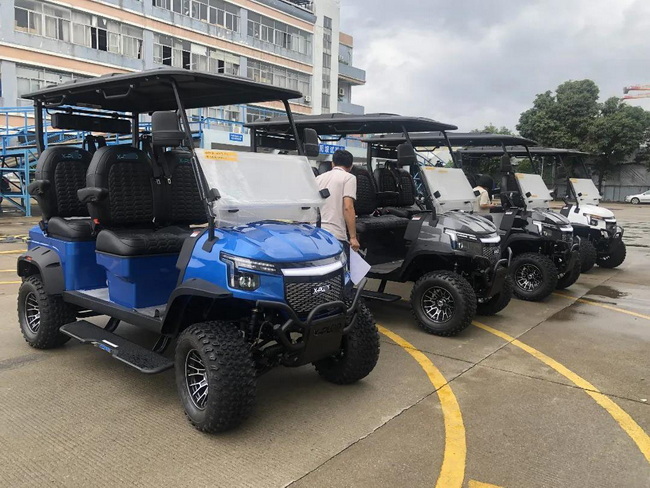
Industry experience and fleet data show that a quality electric golf cart motor typically lasts between 5 and 15 years under average conditions, and can exceed 20 years with optimal care and moderate use. Some fleets have reported motors running reliably for decades when they are not overloaded, overheated, or subjected to harsh environments.
Unlike batteries, which may need replacement every 4–6 years for lead‑acid or 8–12 years for lithium, the motor is one of the most durable components in the entire electric golf cart system. For many owners, the motor will outlive the period they actually own a particular electric golf cart.
Several real‑world factors decide how long an electric golf cart motor will actually last in daily use. Even a high‑quality motor can fail early if it is constantly pushed beyond its design limits.
- Usage intensity and load (terrain, passengers, towing, fleet vs private use).
- Maintenance level (cleanliness, wiring condition, cooling airflow, overall cart care).
- Battery health and voltage stability, which determine how smoothly power reaches the motor.
- Environment, including humidity, dust, mud, and exposure to corrosive conditions such as coastal air.
When an electric golf cart is operated in a controlled, moderate way and kept clean and dry, its motor can run for many years with minimal intervention. On the other hand, constant heavy hauling on steep hills or rough paths will shorten that lifespan significantly.
To judge whether your electric golf cart motor is “old,” you need to compare it with other components in the cart. Many owners are surprised to learn that the motor is rarely the first major item to fail.
Component | Typical Lifespan (Well Maintained) | Notes for electric golf cart owners |
Frame & chassis | 20+ years | Usually outlasts most other parts. |
Electric motor | 15–20 years, often longer | Can reach 20–30 years in light use. |
Motor controller | 10–15 years | Sensitive to heat and poor wiring. |
Lead-acid battery pack | 4–6 years | Often replaced at least once before a motor is needed. |
Lithium-ion batteries | 8–12+ years | Longer life, minimal maintenance. |
Tires | 4–7 years | Strongly affected by load and terrain. |
For many electric golf cart owners, the cart may receive one or two full battery replacements before the motor ever needs to be inspected or rebuilt. That is why investing in a robust motor and matching it to the correct application is so important when specifying a new electric golf cart.
Real‑world stories from courses and private users show how strongly driving patterns change electric golf cart motor life. Two carts with the same motor can have very different outcomes depending on how they are used.
Gentle, low‑mileage use on flat courses with light loads can keep the same motor running smoothly for 20–30 years. In contrast, heavy commercial fleets used daily on hilly terrain may see motor wear closer to the lower end of the 5–15 year window.
If your electric golf cart often starts and stops with full passenger loads on steep hills, the motor experiences more heat and mechanical stress. Over time, this thermal and mechanical load can weaken insulation, bearings, and brushes, gradually shortening the expected service life.
Most modern electric golf carts use DC motors that are optimized for torque, smooth low‑speed control, and reliability. The two most common designs each have their own strengths and typical applications.
- Series wound motors: known for high starting torque and good heavy‑load handling, widely used in utility and commercial electric golf carts.
- Permanent magnet motors: deliver better efficiency and smoother higher‑speed performance, popular in some newer premium models.
Both types can last many years if the electric golf cart is correctly matched to its duty in terms of speed, load, and terrain. Problems usually appear when a motor designed for gentle course use is pushed into demanding utility work without any upgrades.
The motor depends on the battery pack, so weak or neglected batteries can indirectly damage even a high‑quality electric golf cart motor. Battery performance and maintenance are therefore critical to overall motor health.
Old or sulfated lead‑acid batteries cause voltage drops under load, making the motor draw higher current and run hotter. This extra heat stresses the motor windings, insulation, and brushes, and can shorten its life.
Proper battery care—correct charging, avoiding deep discharge, and keeping terminals clean—helps the motor receive clean, stable power. Because batteries usually fail first, replacing a tired pack early can actually extend the practical lifespan of your electric golf cart motor and controller.
Electric golf cart motors do not require frequent, complex service, but a simple routine can add many extra years to their working life. Most of the best practices are straightforward and can be built into a normal maintenance schedule.
- Keep the motor area clean and dry, removing mud, grass, and debris that can trap heat or moisture.
- Inspect wiring, terminals, and connections periodically, tightening loose hardware that can create resistance and heat.
- Avoid overloading the electric golf cart with more passengers or cargo than it was designed to carry.
- Follow a regular maintenance schedule for the entire cart, including brakes, suspension, and electrical systems.
For brushed DC motors, professional inspection of brushes and internal windings after many years of service can prevent unexpected failures. When wear is caught early, a simple brush or bearing replacement can restore many more years of reliable use.
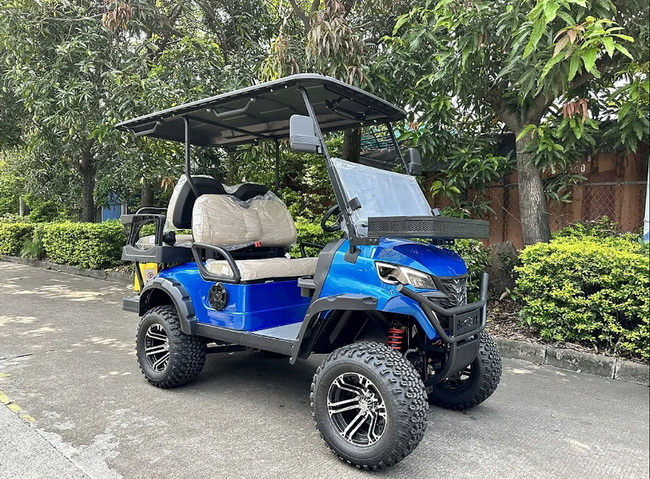
Electric golf cart owners usually notice clear performance changes before a motor completely fails. Paying attention to these warning signs helps you act before a breakdown on the course or worksite.
Common signs include loss of power or speed even with a healthy, fully charged battery pack. Overheating, burning smells, or unusual noises from the motor or axle area, especially under load, also point to trouble.
You may also notice intermittent operation, shuddering, or sudden cut‑outs that are not caused by the controller or wiring. Because many symptoms overlap with battery or controller problems, a technician will typically test the entire electric golf cart system before confirming a motor fault.
Once the motor is confirmed as the root cause of your electric golf cart problems, you must decide whether to repair or replace it. The right choice depends on age, damage level, and your performance goals.
Repair or rebuild may include new brushes, bearings, and cleaning or re‑insulating windings. This option is often viable if the casing and core are intact and there is no severe overheating damage.
Full replacement is usually recommended when the motor is badly overheated, contaminated with water or mud for long periods, or mechanically damaged after long service. Upgrading to a higher‑torque or higher‑speed motor is also possible for some electric golf carts, but it must be matched to the controller, batteries, and drivetrain for safety and reliability.
Motor and control technologies continue to improve, which will benefit the next generation of electric golf carts. These changes will influence both performance and lifespan.
Manufacturers are working on better efficiency and power‑to‑weight ratios, allowing smaller motors to deliver stronger performance. At the same time, more intelligent controllers protect the motor by limiting current and temperature in extreme situations.
As these innovations spread, many new electric golf carts will combine longer motor lifespan with lower operating cost and more precise control on varied terrain. For fleet operators, this means more predictable maintenance schedules and lower total cost of ownership.
To visualize how long an electric golf cart motor can last, consider three typical use cases. Each shows a different balance between performance demands and durability.
1. Private course owner:
- Uses an electric golf cart a few rounds per week on relatively flat fairways, maintains batteries and wiring properly.
- Motor life: commonly 20+ years, often longer than the time they own the cart.
2. Resort or community shuttle:
- Runs multiple electric golf carts every day carrying passengers and luggage, often in hot climates.
- Motor life: nearer to 10–15 years, depending on load and cooling.
3. Heavy utility cart:
- Electric golf cart converted for hauling tools or towing, regularly run at or near maximum load.
- Motor life: 5–10 years if not specifically upgraded for heavy‑duty work.
These examples show that the same basic motor technology can deliver very different real‑world service lives depending on how the electric golf cart is used and maintained. Owners who understand their operating profile can choose the right motor and care routine from the start.
Professional manufacturers play an important role in how long a motor will last in a real electric golf cart application. From design to after‑sales service, every step influences durability.
A dedicated producer of electric vehicles and automotive components will carefully match motor power, gearing, and controller settings to the golf cart's intended duty. When the system is correctly engineered, the motor runs within a safe temperature range even under peak load.
For international OEM partners, long‑term motor reliability is a key selling point in competitive markets. By supplying electric golf carts, low‑speed vehicles, hunting vehicles, and multi‑purpose vehicles built around proven motor platforms, a manufacturer can help fleet owners reduce downtime and extend equipment life.
If you own or manage electric golf carts, a few simple habits can dramatically improve motor lifespan. These do not require specialized tools and can be built into daily operation.
- Charge batteries properly after use instead of repeatedly running them extremely low.
- Avoid full‑throttle launches and harsh braking unless necessary, especially when fully loaded.
- Park your electric golf cart under cover whenever possible to protect components from rain and sun.
- Schedule annual or semi‑annual inspections with a qualified technician to check wiring, bearings, and controller settings.
Over many years, these small actions can mean the difference between replacing a motor early and enjoying decades of reliable performance. In fleets with dozens of electric golf carts, that difference directly affects total operating cost.
In normal conditions, an electric golf cart motor is one of the longest‑lasting components on the vehicle, often delivering 15–20 years of reliable service and sometimes reaching 20–30 years in light‑duty applications. Owners who manage battery health, follow regular maintenance, and avoid chronic overloading usually replace tires, batteries, and even controllers long before they ever need a new motor for their electric golf cart.
For businesses and resorts that depend on electric golf carts every day, choosing a well‑matched motor and working with an experienced OEM manufacturer ensures robust performance and predictable lifecycle costs. For private owners, understanding how usage, maintenance, and environment affect motor life helps them get the most value and enjoyment from their electric golf cart over the long term.
Contact us to get more information!
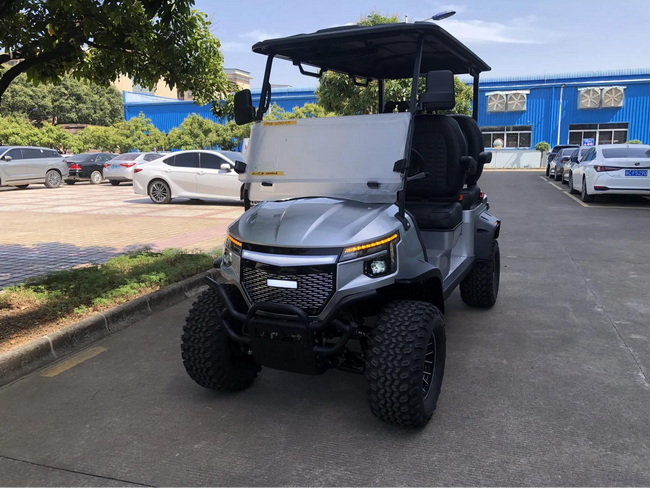
A typical electric golf cart motor lasts around 15–20 years, with many examples running even longer when used on gentle terrain with good maintenance. Actual life depends heavily on load, hills, and climate.
Batteries wear out much faster than motors. Lead‑acid packs usually last about 4–6 years, while lithium packs may last 8–12 years, compared with 15 years or more for most motors in normal use.
Yes. Weak or neglected batteries cause voltage drops and high current draw, which can overheat the motor and shorten its life over time. Regular charging and cleaning of battery terminals protect both batteries and motor.
Warning signs include power loss despite fresh batteries, overheating, burning smells, or grinding and whining noises from the motor area. Because symptoms can overlap, a technician should test batteries, controller, and motor before you decide on repairs.
Upgrading can add torque or speed, but it must be matched with the correct controller, wiring, and battery capacity. It is most worthwhile when the frame and suspension are still in good condition and you need more performance for hills, hauling, or commercial use.
1. https://wis-tek.com/blogs/knowledge/life-expectancy-of-an-electric-golf-cart-explained
2. https://www.langqinggolfcart.com/how-long-does-an-electric-golf-cart-motor-last.html
3. https://caddiewheel.com/blogs/golf-content/how-long-does-an-electric-golf-cart-last-find-out-here
4. https://taraelectricvehicles.com/blog/2025/05/30/what-is-the-life-expectancy-of-a-golf-cart/
5. https://www.langqinggolfcart.com/how-long-do-electric-golf-cart-motors-last.html
6. https://golfcartstuff.com/blogs/news/golf-cart-maintenance-the-ultimate-checklist
7. https://www.kandiamerica.com/golf-cart-battery-lifespan-guide/
8. https://vovexgolf.com/blogs/golf/how-long-do-golf-carts-last
9. https://www.ddmotorsystems.com/TechTips.php
10. https://www.dtmtamworth.com.au/understanding-the-battery-lifecycle-of-electric-golf-carts
11. https://www.buggiesgonewild.com/showthread.php?t=103065
12. https://caddiewheel.com/blogs/golf-content/6-essential-golf-cart-maintenance-tips-for-2025
13. https://solanaev.com/golf-cart-battery-lifespan/
14. https://www.vatrerpower.com/blogs/news/what-is-the-life-expectancy-of-a-golf-cart
15. https://www.morgolfmn.com/blog/maintenance-tips-for-electric-and-gas-golf-carts


