


Views: 222 Author: Leah Publish Time: 2026-01-08 Origin: Site


Content Menu
● Why Winterizing an Electric Golf Cart Matters
● Step 1: Thorough Cleaning Before Storage
● Step 2: Inspecting the Electric Golf Cart Before Winter
● Step 3: Battery Preparation for Winter
>> Flooded lead‑acid batteries
>> Safety precautions around electric golf cart batteries
● Step 4: Electrical System and Controls
● Step 5: Tires, Brakes, and Suspension
● Step 6: Body, Interior, and Weather Protection
● Step 7: Choosing a Storage Location for an Electric Golf Cart
● Step 8: Covers and Long‑Term Protection
● Step 9: Periodic Winter Checks
● Step 10: Bringing Your Electric Golf Cart Out of Winter Storage
● Practical Tips for Fleet Owners and OEM Partners
● FAQ About Winterizing an Electric Golf Cart
>> 1. How charged should my electric golf cart batteries be for winter?
>> 2. Should an electric golf cart stay plugged in all winter?
>> 3. Can an electric golf cart be stored outside in winter?
>> 4. Do I need to remove batteries from my electric golf cart?
>> 5. How often should I check my electric golf cart during winter storage?
Preparing an electric golf cart properly for winter protects the batteries, electronics, frame, and interior so the cart is ready to run when temperatures rise again. Done correctly, winterization can significantly extend the service life of your electric golf cart and reduce maintenance costs for fleet owners and individual users.[1][2]
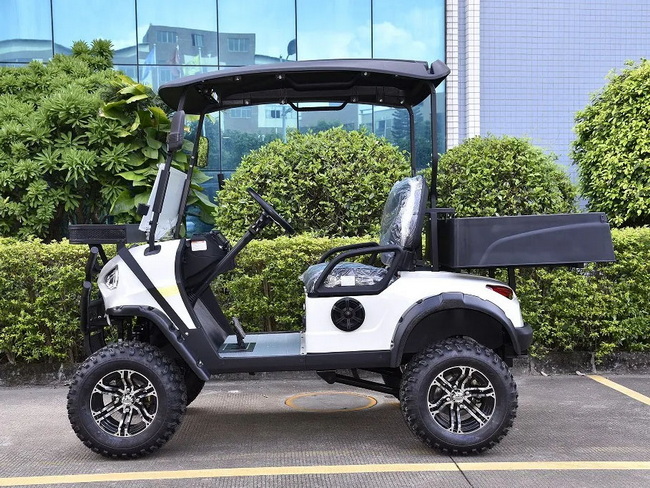
Cold temperatures stress batteries and can damage frames, wiring, and finishes if moisture, salt, or ice are left on the cart. For electric golf cart fleets used in resorts, communities, or industrial facilities, a structured winterization routine also reduces unexpected downtime in the next season.[3][1]
Key reasons to winterize an electric golf cart include:[1]
- Preventing battery damage from deep discharge and freezing
- Avoiding corrosion of chassis, suspension parts, and connectors
- Protecting upholstery, plastics, and paint from moisture and UV
- Ensuring the electric golf cart can be used immediately in spring with minimal repair work
- Preserving resale value and brand image for professional fleet operators and OEM partners
Before touching the batteries or electronics, completely clean the electric golf cart from roof to tires. Dirt, fertilizer, mud, or road salt left on the frame and body can trap moisture and accelerate corrosion during long storage.[4][1]
Recommended cleaning tasks for an electric golf cart:[1]
- Wash body panels, roof, and wheel wells with mild soap and water, then rinse and dry completely.
- Use a soft brush to remove mud and debris from undercarriage, suspension arms, and brake components.
- Wipe seats, steering wheel, dash, and storage compartments with a damp cloth and a gentle interior cleaner.
- Remove leaves and dust from under the seat and battery bay to improve ventilation and reduce fire risk.
- Clean around battery trays and supports to remove acid residue, then neutralize affected areas carefully.[5]
After washing, open all storage compartments and allow the electric golf cart to air‑dry fully before storage so hidden moisture does not condense on metal and electrical parts.[2]
Once clean, carry out a detailed inspection to record the condition of the electric golf cart before it goes into winter storage. This helps you plan repairs and upgrades and avoids surprises when the next season begins.[6][3]
Key inspection points for an electric golf cart:[2]
- Check the body for cracks, rust spots, peeling paint, or loose trim that might worsen over winter.
- Inspect seat cushions, backrests, and flooring for tears, mold, or water damage.
- Test doors, canopy supports, and windshield for proper operation and tight mounting.
- Confirm that the VIN or serial number plate is visible and legible for fleet tracking and warranty purposes.
Documenting findings with notes can be useful for both individual owners and companies managing multiple electric golf carts across different locations.[3]
Winter battery care is the most critical part of winterizing an electric golf cart. Cold temperatures reduce available capacity and can permanently damage neglected batteries, especially if they are stored in a low‑charge state.[7][5]
Flooded batteries are still common on many electric golf carts and require more intensive off‑season care.[5]
- Fully charge the battery pack before storage to lower the risk of freezing and sulfation.
- Check electrolyte levels and top up distilled water only to the indicated level, avoiding overfilling.[5]
- Clean corrosion on terminals with a baking soda and water solution, then dry and lightly coat with dielectric grease.[5]
- After the final charge, disconnect the main pack cables to prevent parasitic drain from controllers or accessories.[8]
During the winter, check pack voltage every one to two months and recharge if voltage drops significantly below normal resting levels for your system.[5]
AGM and lithium batteries used in modern electric golf carts react differently to cold.[9]
- AGM batteries should be stored fully charged, in a cool, dry location within the recommended temperature range.[5]
- Lithium batteries typically store best at 50–80% state of charge and in a moderate temperature environment.[9]
- Avoid leaving any electric golf cart battery pack connected to loads; disconnect the negative terminal to minimize slow drain.[5]
A smart charger or maintainer designed for your chemistry can help keep the electric golf cart battery pack at a safe voltage without overcharging.[7]
Battery work on an electric golf cart must always be done safely.[5]
- Wear eye protection and gloves when checking or cleaning the pack.
- Ensure the electric golf cart is turned off and key removed before disconnecting cables.
- Never smoke or create sparks around charging batteries.
- Follow manufacturer torque specifications when tightening terminals to avoid damage.
These precautions help protect both the operator and the electric golf cart's electrical system during winterization.[5]
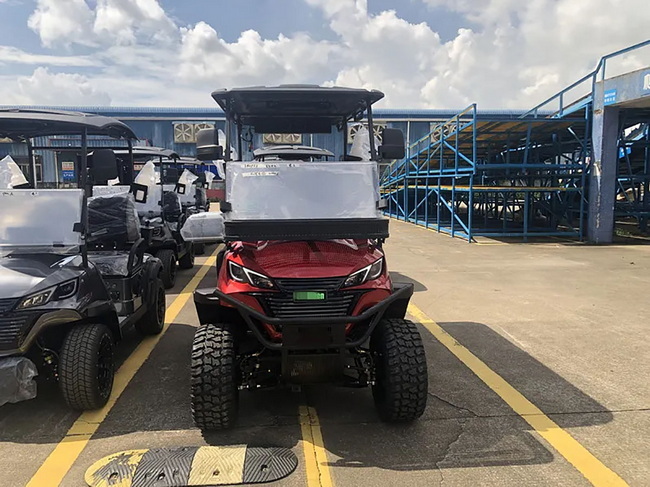
Once the battery pack is safely prepared, address the rest of the electric golf cart electrical system to prevent moisture and corrosion.[2]
Key actions:[2]
- Turn the key switch to OFF, remove the key, and ensure the direction selector is in neutral.
- For carts with a run/tow switch, place the cart in TOW or storage mode as recommended by the manufacturer.
- Inspect visible wiring harnesses for cracked insulation, loose plugs, or exposed conductors, and repair before storage.[3]
- Check lights, signals, and accessories so that any issues are known and can be fixed before the next season.
If the electric golf cart has aftermarket accessories such as audio systems, GPS, or heaters, consider isolating their power supply to avoid parasitic draw over winter.[6]
The chassis of an electric golf cart also needs attention to survive a long, cold, and possibly damp off‑season. Tires can develop flat spots, and brakes or suspension joints may corrode if left untouched.[10][2]
Recommended checks for an electric golf cart:[2]
- Inflate all tires to the manufacturer's recommended pressure to minimize flat spotting in storage.
- If possible, move or roll the electric golf cart slightly every few weeks, or place it on stands to remove weight from the tires.[6]
- Disengage the parking brake and use wheel chocks instead, to avoid stretching cables and seizing mechanisms.[4]
- Visually inspect leaf springs, shackles, bushings, and steering linkages for damage or excessive rust.
Lubricating pivot points, cable ends, and exposed metal parts with appropriate grease or light oil can help the electric golf cart remain smooth and quiet when it goes back into service.[10]
Winter conditions can discolor plastics, crack vinyl, and encourage mold growth inside an electric golf cart if the interior is not prepared. Taking time to protect surfaces will keep the cart more comfortable and attractive next season.[1][6]
Useful protection practices for an electric golf cart:[6]
- Apply a suitable protectant to vinyl seats and plastic trim to reduce drying and cracking.
- Vacuum floor mats and storage bins, then ensure they are completely dry before storage.
- Slightly open vents or windows (where applicable) to allow minimal air circulation and reduce condensation.
- Remove personal belongings, scorecards, towels, and organic materials that can attract pests or mildew.
These steps help preserve the appearance and comfort of the electric golf cart while it is not in use.[6]
Where and how the electric golf cart is parked for winter has a big impact on its condition after months of inactivity. Moisture, wind, and UV exposure all accelerate wear on body panels, upholstery, and electronics.[7][2]
Best practices for storing an electric golf cart:[2]
- Choose a dry, sheltered space such as a garage, carport, shed, or dedicated storage unit whenever possible.
- Avoid grass or bare soil; instead, park the electric golf cart on concrete, asphalt, or a protective mat to reduce moisture rising from the ground.[6]
- Keep the area ventilated enough to prevent condensation and mildew inside the electric golf cart cabin.
- Store away from fertilizers, pool chemicals, or corrosive substances that might release fumes.[7]
If outdoor storage is the only option, careful placement away from falling ice or branches is especially important for the electric golf cart.[2]
Using an appropriate cover is one of the simplest ways to defend an electric golf cart against winter weather and dust. However, the type of cover matters for both protection and ventilation.[1][2]
Guidelines for choosing and using a cover on an electric golf cart:[1]
- Select a cover designed specifically for golf carts, with a shape that fits snugly yet allows airflow.
- Prefer breathable, water‑resistant fabrics that shed rain and snow but do not trap condensation underneath.[2]
- Ensure the cover can be secured against winter wind so it will not rub and scratch the electric golf cart's finish.
- Avoid completely airtight wrapping with tarps, which can lock in moisture and encourage rust or mildew.[6]
A good cover keeps the electric golf cart cleaner and reduces spring cleanup time significantly.[2]
Winter maintenance does not end the day the electric golf cart is parked; periodic checks help catch problems early. Regular attention is especially important in very cold or very damp climates.[6][5]
During the storage period:[5]
- Inspect the battery pack every one to two months and recharge if voltage falls below recommended levels.
- Confirm that the electric golf cart cover is intact, properly fastened, and not holding pools of water or snow.[6]
- Look for signs of rodents or insects around wiring, seats, and storage areas and address them promptly.
- Check tire pressure and re‑inflate if necessary to keep the electric golf cart ready for spring.[2]
For large fleets of electric golf carts, a simple log of inspection dates, measured voltages, and any corrective actions makes recurring checks easier to manage across multiple locations.[3]
When temperatures rise, reverse the winterization process carefully to protect the electric golf cart and confirm it is safe to drive. A methodical approach reduces the risk of early‑season failures and customer complaints for professional operators.[3][1]
Basic reactivation steps:[1]
- Remove the cover and visually inspect the electric golf cart for damage, leaks, pests, or loose components.
- Reconnect the main battery cables, following proper polarity and manufacturer safety instructions.[5]
- Charge the battery pack fully using the recommended charger and confirm that the charger shuts off normally.[8]
- Test lights, horn, and accessories, then perform a gentle test drive at low speed to evaluate brakes, steering, and acceleration.[2]
If the electric golf cart shows reduced range or difficulty holding a charge, schedule a professional battery test before starting a heavy‑duty season.[5]
For resorts, communities, and commercial operators running multiple electric golf carts, winterization is also a process management challenge. Standardizing procedures helps ensure every electric golf cart receives the same level of protection.[3][6]
Helpful practices for managing many electric golf carts in winter:[3]
- Create a written winterization checklist that technicians must complete and sign for each electric golf cart.
- Group electric golf carts by battery chemistry and age so that charging strategies can be tailored to each group.
- Train staff on safe battery handling, correct run/tow switch positions, and proper use of chargers.
- Schedule reactivation in stages to avoid overloading electrical circuits and service bays in early spring.[7]
Manufacturers and OEM suppliers that provide clear winterization guidelines with each electric golf cart also strengthen customer satisfaction and reduce warranty claims.[3]
Winterizing an electric golf cart is a structured process that focuses on battery care, cleaning, mechanical protection, and smart storage. By fully charging and preparing the batteries, inspecting the electrical system, checking tires and brakes, protecting the body and interior, and choosing a dry, protected storage location, owners can ensure that every electric golf cart is ready for reliable service when the next season begins. For OEM partners, distributors, and fleet operators, consistent winterization standards across all electric golf carts also help protect brand reputation, reduce after‑sales issues, and extend the lifecycle value of each vehicle.[1][3][2]
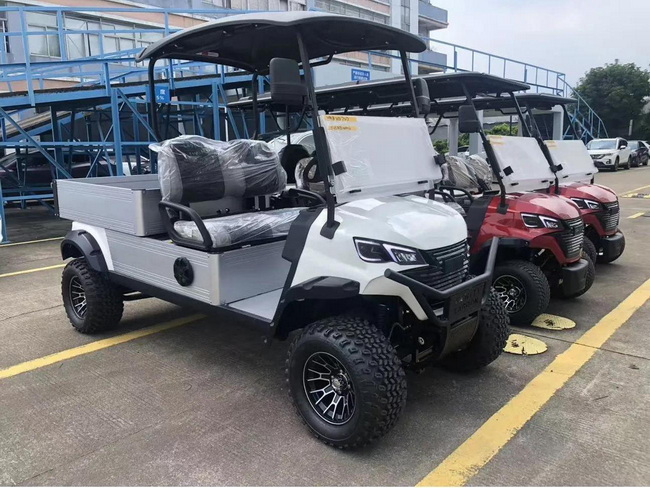
For flooded lead‑acid and AGM batteries in an electric golf cart, store them at or near a full charge to reduce sulfation and lower the risk of freezing. Lithium batteries in an electric golf cart typically store best between about 50% and 80% state of charge, according to many battery manufacturers.[9][5]
Most recommendations do not support leaving an electric golf cart plugged in constantly all winter, because some chargers can overcharge or fail to restart correctly after power interruptions. Instead, fully charge the electric golf cart, disconnect the charger and main cables, then reconnect and recharge periodically or use an approved maintenance mode if provided.[8][2]
An electric golf cart can be stored outdoors, but it is better to keep it in a dry, protected indoor space whenever possible. If outside storage is unavoidable, the electric golf cart should be parked on a hard surface, covered with a heavy‑duty breathable cover, and checked regularly for weather damage and moisture buildup.[6][2]
Some owners remove the battery pack and store it in a temperature‑controlled area, but this is not always required if the electric golf cart itself is stored in a suitable environment. At minimum, the main cables of the electric golf cart battery pack should be disconnected and the pack should be stored at a safe charge level and checked periodically through the winter.[11][5]
During the cold season, inspect the electric golf cart every one to two months, with special attention to battery voltage, tire pressure, and cover condition. Regular checks help ensure that the electric golf cart does not suffer unnoticed damage or deep battery discharge that could shorten the life of batteries, tires, and other components.[6][5]
[1](https://evtitan.com/how-to-winterize-and-store-your-electric-golf-cart/)
[2](https://golfcarts.com/how-to-winterize-and-store-your-golf-cart/)
[3](https://pagolfcartworld.com/f/golf-cart-winterization-essential-steps-for-off-season-care)
[4](https://extremekartz.com/blogs/extreme-blogging/how-to-winterize-your-golf-cart)
[5](https://www.kandiamerica.com/how-to-maintain-golf-cart-batteries-in-winter/)
[6](https://longramps.com/blogs/longramps-outdoor-blog/golf-cart-winter-storage-tips)
[7](https://www.sroa.com/blog/storage-tips/7-tips-for-long-term-golf-cart-storage)
[8](https://www.buggiesgonewild.com/showthread.php?t=156663)
[9](https://cologolfandturf.net/how-to-winterize-and-store-lithium-ion-golf-carts/)
[10](https://www.idahoevsales.com/post/winterizing-your-golf-cart-how-to-prep-for-the-cold-months-idaho-ev)
[11](https://www.reddit.com/r/golf/comments/174zzwc/question_on_winter_storage_of_a_golf_cart/)


