


Views: 222 Author: Leah Publish Time: 2026-01-28 Origin: Site


Content Menu
● Why Electric Golf Cart Motor Testing Matters
● Understanding the Electric Golf Cart Drive System
● Essential Safety Precautions Before Testing
● Tools You Need to Test an Electric Golf Cart Motor
● Step 1: Basic Visual Inspection of the Electric Golf Cart Motor
● Step 2: Check the Battery Pack and Power Supply
● Step 3: Continuity and Resistance Checks on the Motor
● Step 4: Insulation Testing for the Electric Golf Cart Motor
● Step 5: Voltage Testing at the Motor Terminals
● Step 6: Testing the Motor Controller and Solenoid
● Step 7: Load Testing the Electric Golf Cart Motor
● Common Symptoms of a Failing Electric Golf Cart Motor
● Preventive Maintenance Tips for Electric Golf Cart Motors
● When to Repair vs. Replace an Electric Golf Cart Motor
● Advanced Tips for OEMs and Fleet Managers
● Practical Testing Checklist for Electric Golf Cart Owners
● FAQ: Electric Golf Cart Motor Testing
>> 1. How do I know if my electric golf cart motor is bad?
>> 2. Can I test an electric golf cart motor with a simple multimeter?
>> 3. Do I need to remove the electric golf cart motor to test it?
>> 4. How often should I test the motor on a fleet electric golf cart?
>> 5. Will upgrading my controller damage the electric golf cart motor?
Testing an electric golf cart motor is essential for diagnosing performance problems, preventing unexpected breakdowns, and protecting other expensive components such as the controller and battery pack. A structured testing process helps you determine whether the issue is in the electric golf cart motor itself or elsewhere in the electric golf cart system.
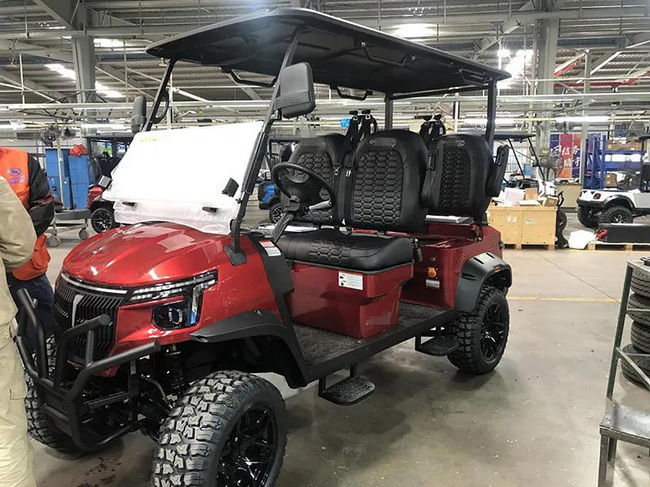
A modern electric golf cart relies on a tightly integrated system of batteries, motor controller, wiring, and the electric golf cart motor to deliver smooth, quiet power on the course or in communities. When your electric golf cart feels weak, jerky, or completely dead, incorrect assumptions can lead to replacing the wrong parts and wasting money. Systematic testing of the electric golf cart motor allows you to confirm whether the motor windings, insulation, and connections are healthy before you invest in a new motor or controller. This is especially important for fleet operators, golf course managers, and OEM buyers who run multiple electric golf cart units every day. For a manufacturer like BorCart, consistent motor testing also supports reliable OEM production and long-term customer satisfaction.
Before you test an electric golf cart motor, it helps to understand how it fits into the drive system. In a typical electric golf cart, the battery pack supplies DC power, the controller regulates that power based on accelerator input, and the motor converts electrical energy into mechanical torque at the wheels. If any part of this chain underperforms, the electric golf cart may struggle to start, accelerate slowly, or stop suddenly. Batteries with low capacity, a malfunctioning controller, corroded cables, or a failing electric golf cart motor can all create similar symptoms. That is why a methodical approach is so important when diagnosing electric golf cart problems.
Working on an electric golf cart motor involves high current DC circuits that can cause shock, burns, or component damage if handled incorrectly. Always disconnect the main battery pack, remove the key, and confirm there is no voltage present before touching any terminals on the electric golf cart system. Wear insulated gloves, eye protection, and use insulated tools, especially when testing a live electric golf cart under load. Avoid loose clothing or jewelry that can get caught in rotating parts when the electric golf cart motor is running. If you are unsure about any step, consult a qualified technician or your electric golf cart manufacturer's service documentation.
To test an electric golf cart motor accurately, you need a basic electrical test kit and access to the motor terminals. Typical tools include:
- A digital multimeter with voltage, resistance, and continuity functions.
- Insulated screwdrivers and wrenches for removing covers and tightening terminals.
- A megohmmeter (insulation tester) for higher-level insulation checks on some electric golf cart motors.
- A load-testing setup or a safe test route to drive the electric golf cart under normal operating conditions.
Some advanced troubleshooting may also use a power meter and torque measurement equipment for detailed electric golf cart motor performance analysis.
Before electrical testing, visually inspect the electric golf cart motor and its surroundings for obvious faults. Look for burnt smell, discoloration, melted insulation, or signs of overheating on the electric golf cart motor housing and nearby cables. Check for loose, corroded, or damaged wiring between the battery pack, controller, and electric golf cart motor terminals. Make sure the motor mounting is secure and there is no debris or foreign objects inside or around the electric golf cart motor housing. If there is severe mechanical damage, plan for a replacement rather than only electrical tests.
Many “motor problems” on an electric golf cart actually come from weak batteries or poor power supply. Use a multimeter to measure the total pack voltage and ensure it meets the rated voltage (for example, around 36 V on a 36 V electric golf cart) before you blame the electric golf cart motor. If the pack voltage drops significantly under load, the motor cannot deliver normal torque even if it is healthy. Also inspect and tighten all battery terminals and main cables feeding the electric golf cart motor and controller. Clean corrosion, replace damaged lugs, and secure all connections to ensure consistent power flow.
With the battery pack disconnected and the electric golf cart safely secured, you can perform continuity and resistance tests on the motor windings. Set your multimeter to continuity or ohms, then identify armature terminals (often A1 and A2) and field terminals (often F1 and F2 or S1 and S2) on the electric golf cart motor. General guidelines include:
- A1 to A2 should show continuity and not read as “open”; some resistance is acceptable.
- F1 to F2 usually reads a low but measurable resistance on most electric golf cart motors.
- Any continuity between any terminal and the motor case indicates a ground fault and a likely defective electric golf cart motor.
If the windings are open or shorted to the case, the motor will not operate correctly and should be repaired or replaced.
On higher-value electric golf cart fleets or heavy-duty utility carts, insulation testing provides an extra level of assurance. Using a megohmmeter, you apply a high test voltage between the motor windings and the housing to confirm the insulation has not broken down. A low insulation resistance reading suggests moisture ingress, contamination, or thermal damage in the electric golf cart motor. Persistent insulation faults increase the risk of ground faults, tripping protection devices, or complete motor failure in an electric golf cart. In such cases, professional rewinding or motor replacement is usually recommended.
To see whether the electric golf cart motor is receiving proper power during operation, reconnect the battery pack and prepare the cart for a controlled test. With the electric golf cart on level ground, set your multimeter to DC voltage and connect it across the motor terminals while a helper presses the accelerator pedal. For a 36 V electric golf cart system, you should see roughly the full pack voltage at the motor terminals when the cart is commanded to move. If the voltage is much lower or unstable, the issue may lie in the controller, wiring, solenoid, or batteries rather than the electric golf cart motor itself. If voltage is correct but the motor still does not turn or is very weak, the motor becomes the primary suspect.
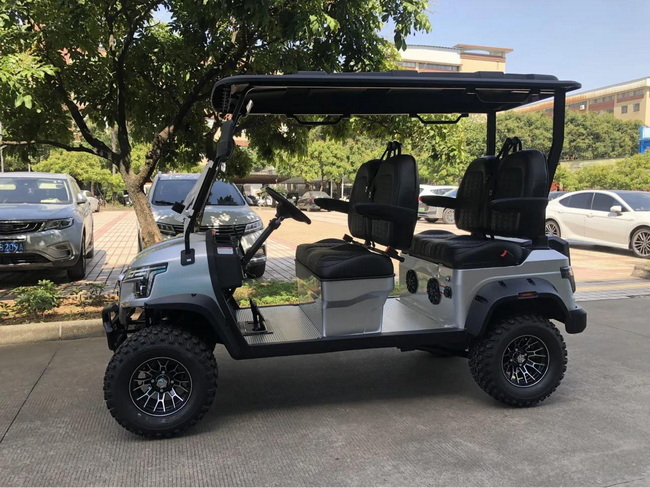
Because the controller regulates power flow to the electric golf cart motor, you should verify its output when diagnosing motor issues. Measure the controller's output voltage to the motor under acceleration and compare with the battery voltage to see if the controller is limiting power abnormally. Additionally, test the main solenoid by listening for a click when the key is on and the pedal is pressed, then measure its resistance across the large terminals. Typical solenoid resistance is low; higher values suggest burned contacts and a failing component that can starve the electric golf cart motor of current. Eliminating controller and solenoid issues ensures you do not misdiagnose a healthy electric golf cart motor as defective.
A real-world load test gives you the most practical picture of electric golf cart motor performance. Reassemble all covers, confirm safe wiring, and drive the electric golf cart on a flat route while observing acceleration, top speed, hill-climbing ability, and noise. A healthy electric golf cart motor delivers smooth, quiet torque without excessive vibration, squealing, or grinding. If the motor struggles to maintain speed, overheats quickly, or makes unusual noises, internal wear or mechanical damage is likely. At this stage, a motor shop can further inspect bearings, brushes, and internal components or recommend a replacement electric golf cart motor.
Recognizing symptoms early helps protect the rest of your electric golf cart system. Typical warning signs include:
- Electric golf cart runs but has noticeably reduced torque and hill performance.
- Motor runs intermittently, cutting in and out even when batteries and wiring check out.
- Strong burning odor or smoke from the electric golf cart motor area during operation.
- Abnormal grinding, rumbling, or squealing noises as the electric golf cart accelerates.
If multiple symptoms occur together, plan for in-depth testing or proactive replacement of the electric golf cart motor.
Routine maintenance can dramatically extend electric golf cart motor life and reduce downtime for fleets and OEM customers. Keep all motor and battery connections clean, tight, and corrosion-free with periodic inspections on every electric golf cart. Avoid chronic overload by respecting passenger and cargo limits and not climbing steep hills repeatedly with an under‑spec electric golf cart motor. Schedule periodic continuity and insulation checks on high-use electric golf cart fleets, especially in humid or dusty environments. When upgrading speed controllers or battery packs, ensure the electric golf cart motor's voltage and current ratings match the new configuration to avoid overheating.
After testing, you may face a choice between repair and replacement. If the electric golf cart motor shows minor issues such as worn brushes, bearings, or localized insulation damage, a reputable motor shop can often rebuild it at a lower cost than a new unit. However, severe winding damage, multiple ground faults, or repeated overheating in heavy-duty electric golf cart applications usually justify full replacement. For fleet operators and OEM projects, standardizing on a modern, efficient electric golf cart motor platform can simplify maintenance and parts stocking. Partnering with an experienced OEM manufacturer like BorCart allows you to specify motor performance, voltage, and durability to match your target electric golf cart markets.
For OEM brands, wholesalers, and large fleet operators, testing an electric golf cart motor goes beyond simple troubleshooting and becomes part of a wider quality-control strategy. You can implement incoming inspection procedures where each new electric golf cart motor is checked for insulation resistance, winding balance, and no-load current before installation. During production, combining automated test benches with sample load tests on completed electric golf cart units helps verify real-world performance. Over time, the data from these tests allows you to refine specifications for torque, speed, and temperature rise, leading to more reliable electric golf cart designs.
Another important strategy is to define clear replacement and upgrade policies for electric golf cart motors in your fleet. For example, you may decide to replace or overhaul the electric golf cart motor after a certain number of operating hours or charge cycles, before catastrophic failure occurs. This reduces unexpected downtime and allows you to schedule maintenance during low-demand periods. OEM collaborations with manufacturers like BorCart also make it possible to customize electric golf cart motor parameters for specific regions, such as higher torque for hilly courses or optimized efficiency for long-distance community use.
To make electric golf cart motor testing easier, you can follow a simple checklist whenever your cart shows performance issues:
- Confirm the electric golf cart is fully charged and battery pack voltage is within specification.
- Inspect cables, terminals, and fuses for corrosion, looseness, or physical damage.
- Perform continuity and resistance checks on the electric golf cart motor windings with the batteries disconnected.
- Check for any ground faults between the motor terminals and the motor housing.
- Reconnect power and conduct a controlled voltage test at the motor terminals under acceleration.
- Carry out a short road test, listening for unusual noises and monitoring temperature and performance.
Following this checklist each time you suspect a problem helps you track patterns and communicate clearly with service technicians or your OEM supplier.
Testing an electric golf cart motor is not just a single measurement but a complete diagnostic process that starts with safety, visual inspection, and battery checks before moving to continuity, insulation, and live voltage tests. By following a structured sequence, you can quickly determine whether poor performance comes from the electric golf cart motor itself or from surrounding components such as the controller, solenoid, batteries, or wiring. Regular testing and preventive maintenance protect your investment, keeping each electric golf cart in your fleet running smoothly and extending the service life of critical components. For OEM buyers and distributors, combining rigorous testing with quality manufacturing partners like BorCart ensures that every electric golf cart you deliver to end users performs reliably in the field.
Contact us to get more information!
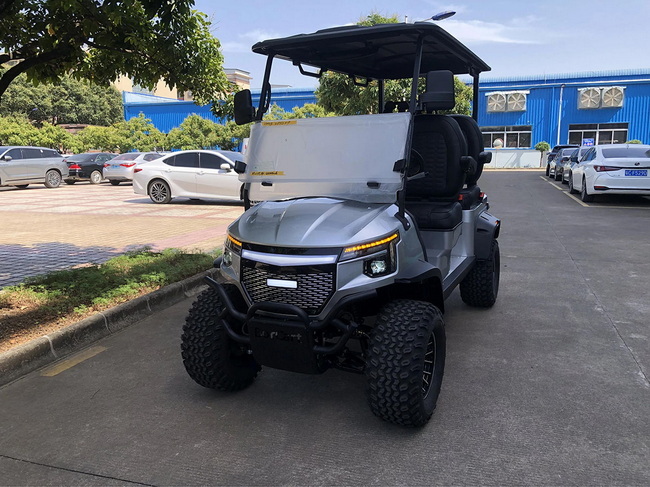
A failing electric golf cart motor often shows reduced torque, difficulty climbing hills, overheating, unusual noises, or intermittent operation even when batteries and wiring test normal. If continuity or insulation tests show open windings, shorts to the case, or severely abnormal resistance readings, the motor is likely bad and needs repair or replacement.
Yes, a standard multimeter lets you check pack voltage, motor terminal voltage under load, continuity between motor terminals, and basic winding resistance on an electric golf cart motor. Set the multimeter to DC voltage for live tests and to ohms or continuity for off‑cart winding checks, always disconnecting the battery pack before resistance tests.
In many cases, you can perform basic electrical tests and voltage checks with the electric golf cart motor still installed on the cart. However, if the motor fails continuity or insulation tests, or if you suspect severe mechanical damage, removing the motor allows for detailed bench testing and inspection.
For casual personal use, test the electric golf cart motor whenever you notice performance changes or after major electrical issues. Fleet operations, golf courses, and commercial users should add motor inspection, continuity checks, and connection checks to their scheduled preventive maintenance intervals several times per year.
Upgrading to a higher‑output controller can improve acceleration and torque, but if it exceeds the voltage or current rating of your electric golf cart motor, overheating and premature failure may occur. Always match controller settings and battery configuration to the motor's rated specifications or work with an OEM supplier like BorCart to select a compatible electric golf cart motor package.
1. https://www.langqinggolfcart.com/how-do-you-test-an-electric-golf-cart-motor.html
2. https://www.golfcartking.com/blog/troubleshooting-problems-with-a-golf-cart-electric-motor/
3. https://jitsi.cmu.edu.jm/how-to-test-a-golf-cart-motor/
4. https://guildgolfcarts.com/how-to-test-a-golf-cart-motor-with-a-multimeter/
5. https://www.ddmotorsystems.com/TechTips.php
6. https://www.une.edu/sites/default/files/procedures_for_safe_operations_of_golf_carts.pdf
7. https://www.youtube.com/watch?v=u7Q3jep3wx0
8. https://centralcoastcarts.com/golf-cart-repair/troubleshooting-golf-cart-motor-issues/
9. https://www.youtube.com/watch?v=LlTxRM0Al2U


