


Views: 222 Author: Loretta Publish Time: 2025-12-23 Origin: Site


Content Menu
● How cold weather impacts electric vehicle performance
>> EV battery efficiency in low temperatures
>> Extra energy demand from heating systems
>> Tire performance, rolling resistance and traction
>> Slower charging and battery protection
● Practical winter driving tips for electric vehicles
>> Precondition the EV while plugged in
>> Maintain correct tire pressure and condition
>> Park in warmer or sheltered locations
>> Plan a winter‑specific charging strategy
>> Use Eco or efficiency driving modes
>> Drive smoothly and anticipate road conditions
>> Inspect battery condition and schedule winter checks
>> Remove snow and ice from the vehicle
>> Monitor brakes and suspension in winter
● Why electric vehicles remain a strong choice in winter
>> Fast and efficient cabin heating
>> Enhanced traction and control systems
● Winter performance of golf carts and low‑speed EVs
>> How cold affects golf cart and low‑speed EV batteries
>> Practical setup tips for winter fleets
● Step‑by‑step winter preparation checklist
>> Pre‑season EV winterization checklist
>> Daily winter operation routine
● Fleet management strategies for cold climates
>> Smart charging schedules and infrastructure
>> Data‑driven range and route planning
● Prepare your EVs and fleets for winter with confidence
● FAQ: cold weather and electric vehicles
>> Q1: How much range can an electric vehicle lose in cold weather?
>> Q2: Is it safe to fast‑charge an EV when it is very cold?
>> Q3: Should an EV remain plugged in overnight during winter?
>> Q4: Do electric golf carts require different maintenance in winter?
>> Q5: What is the single most effective way to improve EV winter performance?
Cold weather can significantly reduce your electric vehicle's driving range, charging speed, and traction, but with the right winter driving strategies you can still enjoy safe, efficient performance all season. This enhanced guide explains how low temperatures affect EVs and offers practical, data‑driven tips for winter driving—especially for compact EVs such as electric golf carts, sightseeing shuttles, low‑speed vehicles, hunting vehicles and multi‑purpose vehicles used in resorts, communities, campuses, and industrial parks.
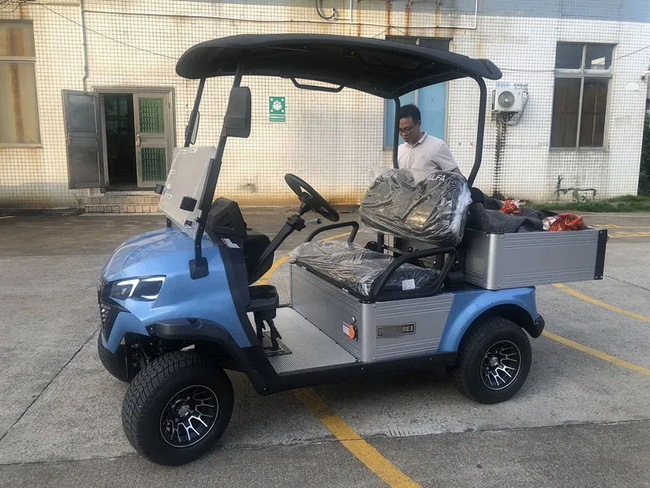
Cold weather creates several predictable patterns of performance loss in electric vehicles, from battery chemistry to tires and charging behavior. Understanding these patterns is the foundation for improving electric vehicle winter performance in both private and commercial use.
In low temperatures, the lithium‑ion cells inside an electric vehicle rely on slower chemical reactions, which means they cannot release or accept energy as efficiently. As a result, drivers often experience reduced driving range, especially on short trips where the battery and cabin never fully warm up.
This effect is more noticeable in compact EVs like electric golf carts, electric buggies and low‑speed vehicles, because their battery packs are smaller and more sensitive to each additional energy load such as heaters, lights and wipers. When these loads run continuously in cold weather, a higher percentage of the total capacity is consumed by accessories rather than propulsion.
Winter does not only affect what the battery can deliver; it also increases the power the vehicle consumes. Cabin heating, steering assist, lighting, defogging and seat warmers can draw a significant share of battery capacity on cold days, especially during repeated short journeys.
In light EVs such as golf carts, sightseeing shuttles and hunting vehicles that are sometimes open‑sided, wind chill makes drivers turn heaters and accessories up higher, compounding winter range loss. Operators who understand this can adapt by using targeted heating solutions, such as localized heaters and windshields, rather than relying only on broad cabin heating.
Low ambient temperatures reduce tire pressure and change rubber elasticity, directly affecting efficiency and safety. Under‑inflated tires increase rolling resistance, so the motor needs more energy to move the vehicle forward, which further reduces winter range.
Poor traction on snow and ice is especially critical for light‑weight buggy‑style vehicles, where even a small loss of grip can cause skidding on slopes, paths or golf course terrain. Checking tire condition, tread depth and pressure becomes a key part of safe electric vehicle winter operation.
Charging speed also falls in winter because the battery management system protects the cells by limiting charge rates when they are cold. Your EV—whether a road‑going car or an electric golf cart—may take significantly longer to reach full charge if the pack is below its optimal temperature range.
This requires more careful trip and fleet planning for resorts, campuses, factories or golf courses relying on electric fleets. Planning around slower winter charging avoids unexpected downtime and ensures that vehicles are always ready when needed.
The right habits can offset much of the winter performance penalty and keep electric vehicles safe, efficient and ready for daily use. These practical tips apply to both passenger EVs and compact vehicles such as golf carts and low‑speed utility EVs.
Preconditioning means warming the cabin and battery while the vehicle is still plugged in, instead of using stored energy after departure. Many modern EVs allow drivers to schedule a departure time so the vehicle finishes preheating just before driving.
For electric golf carts and buggies stored indoors, preconditioning keeps both the battery pack and the interior closer to ideal temperature before the vehicle rolls out. This simple habit reduces initial range loss and improves driver comfort from the very first minute of operation.
Correct tire pressure is one of the simplest, highest‑impact winter checks. Cold air causes tire pressure to drop, so it is important to inspect tires regularly and inflate them to the manufacturer's recommended values for the specific EV or electric cart.
Proper pressure improves traction, shortens stopping distance and reduces rolling resistance, which is critical for light EVs that may already be operating near the limit of their winter range. Combining correct pressure with adequate tread depth and winter‑appropriate tires further strengthens safety on snow or ice.
Where an electric vehicle is parked can dramatically change overnight heat loss. Whenever possible, parking in garages, covered parking, cart barns or indoor warehouses helps the battery stay closer to its optimal temperature window.
Even basic wind protection reduces heat loss and can make a noticeable difference to morning performance and charging time. For fleets, allocating sheltered parking to the units with the highest daily mileage is a simple way to gain more consistent winter performance.
Because cold weather lengthens charging time, smart planning becomes essential for both individual drivers and operators of electric fleets. Mapping out charging points along regular routes and placing chargers strategically around golf courses, resorts, campuses or industrial sites helps match typical driving patterns.
Where possible, start charging immediately after driving, when the battery is still warm, rather than waiting until it has cooled down completely. This approach supports higher effective charge rates and makes better use of available charging windows.
Most electric vehicles offer Eco mode or similar efficiency profiles that automatically optimize energy usage. Eco mode typically reduces power demand from acceleration and auxiliary systems, which helps preserve winter range on both road EVs and low‑speed vehicles.
For fleets, standardizing Eco mode during cold months can deliver more predictable daily mileage across different drivers and duty cycles. Clear internal policies and training ensure that operators understand when and how to use these modes correctly.
Aggressive driving amplifies winter energy loss and safety risks. Avoiding sudden acceleration and heavy braking reduces demand on the battery and improves traction on slippery surfaces.
Smooth, anticipatory driving is especially important for narrow‑tire golf carts, sightseeing buses and hunting buggies that operate on mixed surfaces such as grass, gravel and compacted snow. Educating drivers about these techniques helps protect both passengers and vehicles.
Battery health has a direct impact on cold‑weather reliability. Regular battery inspections and capacity checks before and during winter are particularly valuable for commercial fleets that run on tight schedules.
Following manufacturer maintenance intervals and winter checklists helps maintain warranties and maximize service life for products such as electric utility vehicles or golf carts used in challenging climates. Effective battery care directly translates into fewer breakdowns and more reliable winter operations.
Snow and ice accumulation reduces efficiency and can compromise vehicle safety. Clearing ice from the body, undercarriage and moving components prevents unnecessary weight, drag and potential interference with steering and braking systems.
For smaller EVs like electric golf carts, keeping roofs, seats and floors clean also reduces moisture intrusion that could affect electrical components and connections over time. Routine cleaning protects both appearance and function.
Winter conditions can accelerate wear on brakes and suspension, even in light EVs. Road salt, mud and moisture may corrode brake components and joints, reducing stopping performance and ride comfort if left unattended.
A seasonal inspection routine for brake pads, discs, cables and suspension bushings on all electric vehicles in a fleet helps maintain consistent safety standards. Addressing small issues early prevents larger repairs and unexpected downtime.
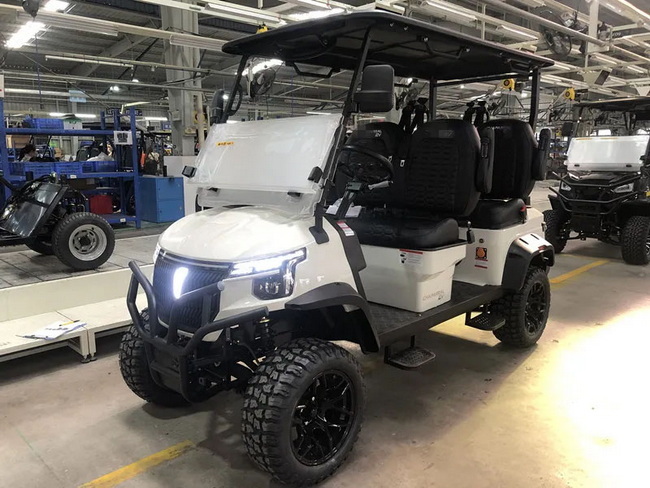
Even with some performance loss, electric vehicles remain an excellent solution for winter mobility in communities, resorts, campuses and industrial environments. With thoughtful preparation, drivers can enjoy reliable and comfortable transportation all season.
Electric drivetrains can deliver cabin heat very quickly, without waiting for a combustion engine to warm up. This rapid heating improves driver comfort for compact vehicles such as enclosed golf carts or buggies used in cold climates.
In commercial settings, fast warm‑up shortens downtime between shifts and enhances driver satisfaction, which indirectly supports fleet productivity and service quality. Operators benefit from both improved working conditions and more predictable schedules.
Many modern EVs feature advanced traction control and torque management, helping maintain grip on slippery surfaces. Electric motors can adjust torque to each wheel more precisely and quickly than many traditional drivetrains, improving control on icy or wet surfaces.
For low‑speed electric vehicles operating on slopes, paths or golf fairways, this improved traction translates into safer operations in marginal conditions. When combined with good tires and proper driving technique, the result is stable performance even during challenging weather.
Compact EVs such as golf carts, sightseeing shuttles, hunting vehicles and multi‑purpose utility carts face distinctive challenges in cold weather that differ from full‑size road cars. Their smaller battery packs and lighter bodies make winter management especially important.
Many golf carts and low‑speed EVs use lead‑acid or smaller lithium packs, which suffer more noticeable capacity loss in low temperatures. Short, stop‑and‑go usage patterns—such as moving between holes or resort buildings—give the batteries less time to warm up internally.
Operators should expect reduced daily range during winter and adjust routing or rotation plans accordingly across their fleets. Matching vehicle types and battery configurations to route length helps avoid mid‑shift charging interruptions.
To keep fleets running efficiently through winter, managers can adjust hardware, schedules and storage practices. These simple measures can make a substantial difference in real‑world winter performance.
1. Assign vehicles with newer or higher‑capacity battery packs to the longest or most demanding routes.
2. Rotate vehicles so each unit has adequate charging and warming time between shifts.
3. Where possible, install side enclosures, windshields and basic heaters to reduce cabin heat loss for drivers.
4. Standardize winter inspection logs for tires, brakes, lights and key electrical connections across all units.
Such operational changes help fleets maintain service levels even when cold weather impacts each individual vehicle's performance.
A structured checklist improves safety, reliability and user confidence in cold conditions. Using the same checklist across all vehicles ensures consistent preparation for the winter season.
Before temperatures drop, complete this winter preparation routine for each electric vehicle or golf cart.
1. Battery assessment
- Test state of health and usable capacity.
- Confirm there is no swelling, leakage or connector corrosion.
2. Charging system review
- Inspect cables, connectors and onboard chargers for visible damage.
- Verify proper operation of smart chargers or fleet charging software where installed.
3. Tires and brakes
- Check tread depth and sidewalls; replace worn or cracked tires.
- Inspect brake pads, cables and hydraulic lines; test stopping performance on a safe surface.
4. Suspension and steering
- Examine bushings, joints and steering linkages for excessive play or noise.
- Lubricate components as specified by the manufacturer.
5. Lighting and visibility
- Test headlights, brake lights, indicators and hazard lights.
- Inspect wipers (if fitted) and clean all windows and windscreens.
6. Cabin and safety equipment
- Verify seat belts, mirrors and horn functionality.
- Equip vehicles with basic winter kits where necessary, including gloves, an ice scraper and a small brush.
During the winter season, drivers and operators can follow a simple daily checklist to keep every EV ready for service.
- Confirm state of charge and estimated range before departure.
- Clear snow and ice from bodywork, lights, seats, steps and floors.
- Check tire pressure and look for visible damage or embedded debris.
- Use Eco mode when appropriate and drive gently from the start until the vehicle warms up.
- Plug in vehicles as soon as they return from service to take advantage of residual battery warmth.
For businesses, resorts and campuses operating multiple EVs, cold weather management is as much about system design as individual driving habits. Well‑planned policies allow fleets to stay reliable even through prolonged cold periods.
Fleet operators can reduce winter disruptions by aligning schedules with charging infrastructure. Grouping routes so that vehicles with the greatest winter load have priority access to the fastest chargers or warmest parking bays is a practical first step.
Staggering departure and return times helps avoid peak loads on the electrical system and ensures each EV receives adequate preconditioning time before its shift. Over time, these patterns create a smoother and more predictable daily rhythm for the entire fleet.
Telematics and simple logbooks provide valuable range data across the winter season. Tracking real‑world winter range for each vehicle type makes it easier to set conservative route limits and avoid mid‑shift outages.
Analyzing patterns in charging time, energy consumption and downtime helps refine infrastructure investments, such as adding chargers to frequently constrained zones or upgrading battery packs for specific applications. This data‑driven approach continually improves winter performance over time.
Cold weather does not have to compromise the reliability or comfort of your electric vehicle, golf cart or low‑speed fleet. By applying the winter driving tips, checklists and fleet strategies in this guide, it becomes much easier to protect batteries, reduce downtime and keep drivers safer throughout the cold season.
For OEM buyers, fleet managers and brand partners seeking customized winter‑ready solutions for electric golf carts, sightseeing buses, low‑speed vehicles, hunting buggies and multi‑purpose EVs, specialized manufacturers can design and produce vehicles and components tailored to specific climates and applications. This level of customization helps ensure that every fleet operates efficiently, even in demanding winter environments.
Organizations that want to turn winter into an opportunity to enhance reliability and user satisfaction can now take the next step by evaluating their existing vehicles, defining clear winter performance goals and collaborating with experienced OEM partners to create optimized electric mobility solutions. With the right preparation and equipment, electric vehicles can deliver dependable service in every season. Contact us to get more information!
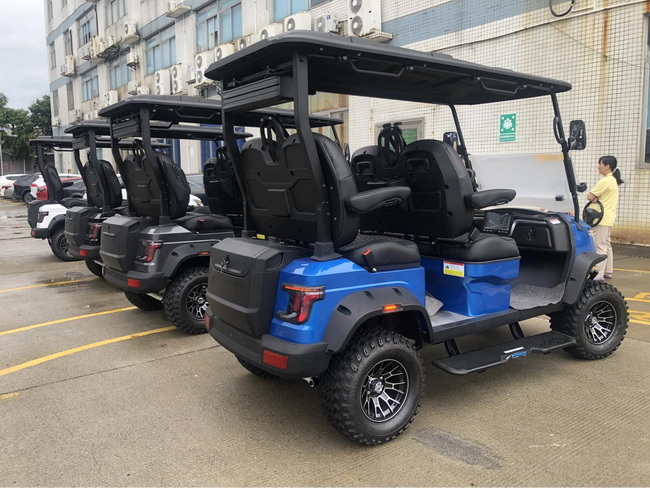
A: Cold temperatures can significantly reduce effective range because the battery chemistry slows down and heating systems draw extra energy; compact EVs and golf carts may experience especially noticeable reductions on short routes.
A: Most modern EVs and chargers include protective systems that automatically reduce charging speed at low temperatures to protect the battery, so charging is generally safe but may take longer than in mild weather.
A: Leaving the vehicle plugged in allows the battery management system to maintain an optimal temperature and charge level, which helps preserve range and battery health in very cold climates.
A: Yes. Golf carts and low‑speed EVs benefit from seasonal battery checks, frequent tire inspections, corrosion control and careful storage, especially when used on wet or salted paths and parking areas.
A: Consistently preconditioning the vehicle while it is plugged in, combined with proper tire pressure and smooth driving, provides one of the largest practical improvements in winter efficiency for most drivers and fleets.


