


Views: 222 Author: Loretta Publish Time: 2025-12-23 Origin: Site


Content Menu
● What This Golf Cart Safety Guide Covers
● Why Golf Cart Safety Matters More Than Ever
● Key Golf Cart Safety Risks You Must Control
● Essential Golf Cart Safety Tips for Everyday Driving
>> Understand Your Golf Cart Before Moving
>> Respect Speed Limits and Adjust to Conditions
>> Use Seat Belts Wherever They Are Provided
>> Manage Passenger Seating and Loading Carefully
>> Park the Golf Cart Safely and Responsibly
● Driving Safely in Different Conditions and Environments
>> Adapting to Weather and Surface Conditions
>> Best Practices on Golf Courses and Resorts
>> Safe Operation in Campuses, Industrial Sites, and Communities
>> Handling Slopes and Uneven Terrain Safely
● Practical Golf Cart Safety Checklists
>> Post-Drive Safety Checklist
● Golf Cart Battery and Charging Safety
● Training, Signage, and Fleet Management for Safer Operations
● Special Considerations for Children and Elderly Passengers
● How OEM Design Directly Influences Golf Cart Safety
● Selecting Safer Golf Carts for Your Fleet
● Build Safer, More Reliable Golf Cart Solutions with BorCart
>> 1. Do golf carts really need seat belts if they drive slowly?
>> 2. How many passengers can ride safely in a golf cart?
>> 3. How often should a golf cart undergo maintenance checks?
>> 4. Is it safe to drive a golf cart in heavy rain or storms?
>> 5. What is the safest way to drive a golf cart on hills?
Staying safe in a golf cart is just as important as safety in any other vehicle, especially as carts become faster and more widely used in resorts, campuses, factories, and residential communities. This guide provides structured, in-depth golf cart safety tips to help drivers, passengers, fleet managers, and OEM buyers reduce accidents, protect people, and extend vehicle life.
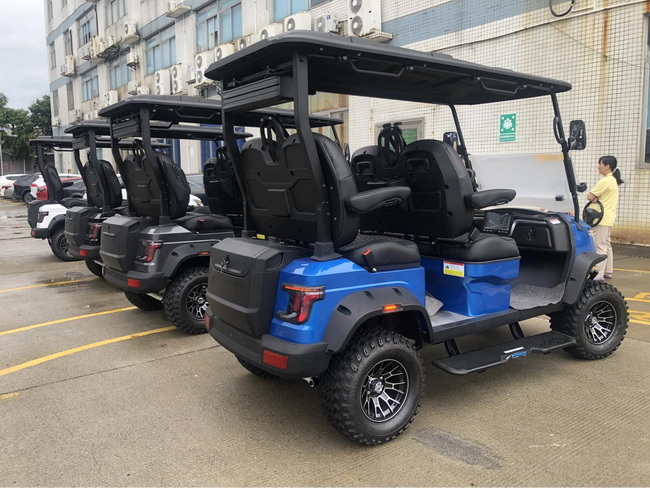
This guide is designed to meet both user needs and modern search standards with clear structure and expert-level detail. It focuses on practical, easy-to-apply advice for real operating environments.
You will learn:
- Core golf cart safety tips for everyday use on golf courses, resorts, campuses, and communities.
- Step-by-step guidance on pre-drive checks, safe driving habits, and maintenance routines.
- Advanced safety advice for low speed vehicles (LSVs), hunting carts, and multi-purpose utility carts.
- How OEM design and manufacturing quality directly affect golf cart safety performance.
Golf carts were once limited almost entirely to golf courses, but today they appear in many different locations. This broader usage has increased both convenience and risk.
Common application scenarios include:
- Golf courses and country clubs transporting players and equipment between holes.
- Resorts, hotels, and tourist attractions moving guests and luggage around large properties.
- Educational campuses, hospitals, and industrial parks using carts as internal shuttles and service vehicles.
- Residential communities and retirement villages where carts serve as neighborhood transport.
In these environments, over-speeding, improper loading, lack of training, and poor maintenance are leading causes of rollovers, collisions, and passenger falls. Establishing clear safety rules and choosing well-designed carts greatly lowers these risks while improving comfort and reliability.
Even though golf carts operate at relatively low speeds, they can still cause serious injuries when basic rules are ignored. Understanding major risk factors is the first step to prevention.
The most common risks include:
- Excessive speed on slopes, wet grass, gravel, or uneven terrain.
- Sudden, tight turns that cause tipping or loss of passenger balance.
- Overloading and standing passengers that shift weight and reduce stability.
- Lack of seat belt use where belts are available or needed.
- Poor maintenance of brakes, steering, tires, and batteries.
Safe operation starts with knowing the controls, limits, and behavior of the golf cart you are driving. This is especially important for first-time users, renters, and occasional drivers.
Before your first trip:
- Identify the accelerator, brake pedal, steering wheel, forward/reverse selector, and parking brake.
- Test the horn and any warning or indicator lights, if installed.
- Do a quick walk-around to look for visible damage, low or flat tires, leaks, or loose parts.
Pro tip: Place a simple laminated instruction card near the steering wheel that shows control layout and basic rules for guests or new employees.
Many golf courses and resorts set speed limits around 10–15 mph (16–24 km/h) to keep guests and staff safe. Staying within these limits dramatically reduces accident risk, especially in crowded or uneven areas.
For safer driving:
- Keep speed low near pedestrians, clubhouses, tee boxes, greens, and parking areas.
- Slow down before turns, slopes, intersections, and wet or sandy surfaces to maintain control.
- Avoid racing other carts or vehicles, even if the path appears open.
Seat belts are one of the most effective protective features in any vehicle, including golf carts. They significantly reduce the chance of passengers being thrown from the vehicle during sudden stops or rollovers.
Best practices include:
- Treat seat belts as mandatory, not optional, whenever they are installed.
- Make sure all passengers are seated and buckled before moving the cart.
- For carts used on public roads, steep paths, or high-traffic areas, consider retrofitting seat belts if they are not standard.
For fleets that regularly carry children or elderly passengers, consistent seat belt use is especially important for preventing serious injuries.
Golf carts are designed for a specific number of passengers and total load, and ignoring these limits is a major safety risk. Overloading or unsafe positioning can cause instability and accidents.
Follow these rules:
- Never carry more people than the cart's rated seating capacity.
- Do not allow passengers to stand, ride on the side, or sit on rear bumpers or roof supports while the cart is moving.
- Keep arms, legs, and personal items inside the vehicle during motion.
- Secure cargo so that it does not shift suddenly during braking or turning.
For hunting carts and multi-purpose vehicles, use rear safety rails, side handholds, and appropriate seats to enhance stability for passengers in the back.
Parking incorrectly can cause unintentional rolling, create obstacles, and endanger pedestrians. A consistent parking routine keeps carts stable and easy to manage.
Whenever you park:
- Choose a flat, firm surface where possible, away from slopes and edges.
- Fully engage the parking brake and return the control lever to neutral or park.
- Turn off the ignition and remove the key in fleet, rental, or shared environments.
- Avoid blocking paths, sidewalks, ramps, emergency exits, or driveways.
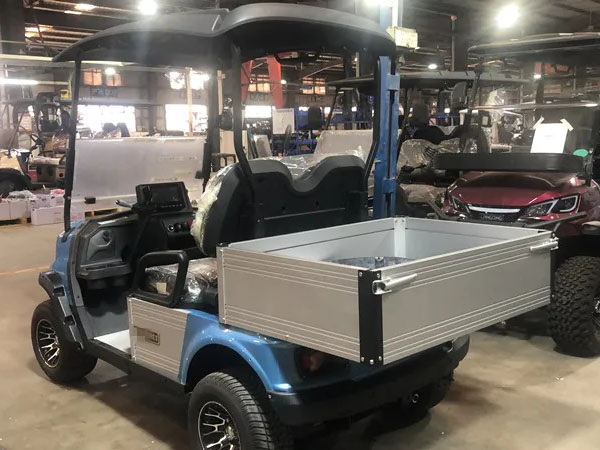
Weather has a strong influence on traction, braking, and visibility, making adaptation essential. Even a small change like wet grass or morning dew can affect stopping distance.
To stay safe:
- Reduce speed in rain, fog, or low visibility, and avoid abrupt steering or braking.
- On wet, sandy, or muddy surfaces, accelerate gently and keep steering smooth.
- Be cautious in strong winds, especially on open bridges, near water, or on elevated paths.
If conditions become severe, such as heavy rain, lightning, or storms, pause operation, park safely, and wait until it is safe to continue.
On golf courses and resorts, carts share space with players, staff, and pedestrians who may not always be watching for vehicles. Clear respect for local rules protects everyone's experience.
Key practices include:
- Strictly follow course signage, directional arrows, and cart-path-only instructions.
- Slow down near tee boxes, greens, crosswalks, and blind fairway intersections where players may appear suddenly.
- Avoid driving too close to bunkers, lakes, steep drop-offs, and soft ground that could cause the cart to tip or sink.
Resort managers can further enhance safety by marking dedicated cart lanes, installing mirrors at blind corners, and providing clear orientation briefings for new guests.
In campuses, factories, and residential areas, golf carts and low speed vehicles (LSVs) often mix with pedestrians, bicycles, and sometimes regular road traffic. This mixed usage requires stricter discipline.
Important guidelines:
- Obey internal speed limits and always give priority to pedestrians at crosswalks and building entrances.
- Use headlights, tail lights, and turn signals (if fitted) in low light, indoors, or in parking structures.
- In warehouses and industrial parks, define separate lanes or color-marked routes for carts, away from forklifts and heavy trucks where possible.
- Ensure carts traveling on public roads meet local regulations regarding lighting, mirrors, reflectors, and in some cases registration and insurance.
These measures help avoid collisions and keep traffic flows predictable for everyone involved.
Slopes and rough ground are among the most challenging conditions for golf carts and utility vehicles. Poor handling here is a frequent cause of rollovers and loss of control.
Use these techniques:
- Travel straight up and straight down slopes rather than diagonally, and keep speed very low.
- Avoid sharp turns or sudden braking while on a hill to reduce tipping and skidding risks.
- Never attempt to cross very steep side slopes where one side of the cart is much higher than the other.
- If the hill looks too steep or unstable, choose a safer route or park and continue on foot.
For hunting carts and off-road applications, wider tracks, upgraded suspension, and suitable all-terrain tires improve safety on challenging surfaces.
A quick pre-drive routine helps detect issues before they become accidents. Drivers and operators can follow this short checklist every time.
Before moving the cart:
1. Walk around the vehicle and check for visible damage, fluid leaks, or loose parts.
2. Inspect tires for proper inflation, cracks, cuts, or abnormal wear.
3. Test brakes and steering at low speed in a safe, open area.
4. Confirm that seat belts (where installed) are visible, functional, and accessible.
5. Check that all passengers are seated properly and understand basic safety rules.
6. Make sure the combined weight of passengers and cargo does not exceed the rated capacity.
After use, a short post-drive routine keeps carts ready for the next trip and helps identify maintenance needs early.
When parking and shutting down:
- Park on a stable, level surface and apply the parking brake firmly.
- Switch off the ignition and remove the key in shared or fleet operations.
- Report any unusual noises, vibrations, weak brakes, or steering problems to maintenance staff.
- In electric carts, connect to the approved charger in the designated charging area if required by fleet policy.
For electric golf carts, batteries are both a performance factor and a safety concern. Correct handling and maintenance protect people, vehicles, and facilities.
Follow these guidelines:
- Charge only in well-ventilated areas, far from open flames, sparks, or smoking.
- Always use the correct charger matched to the battery type and manufacturer specifications.
- Regularly inspect battery cables, terminals, and connectors for corrosion, frayed insulation, or loose hardware.
- Avoid exceeding weight limits, as overloading can increase current draw, heat, and wear on the battery pack.
Proper battery care extends service life, reduces unplanned downtime, and helps prevent overheating or electrical malfunctions.
For resorts, campuses, factories, and large communities, safety goes beyond the individual driver and involves policies, processes, and management systems. A structured approach greatly improves consistency.
Effective measures include:
- Providing basic driver training for every new user, covering safe speeds, turning, parking, and emergency procedures.
- Installing clear signage and road markings on paths, intersections, and high-risk areas such as blind corners or slopes.
- Keeping a centralized inspection and incident log, either on paper or digitally, to track vehicle status and recurring problems.
- Standardizing fleet specifications with consistent safety features such as seat belts, lights, mirrors, and reflectors.
These steps create a culture where safety is part of daily routine rather than an occasional reminder.
Transporting children, seniors, or people with reduced mobility requires extra patience and care. Their reaction time and balance may not match that of healthy adults.
Apply the following rules:
- Do not allow children to drive unless permitted by local law and properly supervised and trained.
- Assist elderly or mobility-impaired passengers when boarding and exiting, making sure steps and floors are dry and non-slip.
- Confirm that vulnerable passengers are seated securely before moving, and keep speed low with gentle braking and turning.
- Consider adding grab handles, low steps, and anti-slip flooring to carts frequently used for these groups.
These small adjustments can greatly reduce falls, slips, and sudden shocks for sensitive passengers.
Beyond driving behavior, the engineering and manufacturing quality of a golf cart strongly affects how it responds under stress. Working with an experienced OEM is therefore critical for fleet buyers and brand owners.
Important design and production elements include:
- A reinforced chassis and optimized center of gravity that improve stability and reduce rollover risk.
- Durable braking systems (mechanical or hydraulic) tested repeatedly under different loads and gradients.
- High-quality steering, suspension, and tire selection matched to the intended environment, from smooth fairways to rough hunting terrain.
- Optional or standard seat belts, lighting kits, mirrors, indicators, and windshields to meet local regulations and safety expectations.
As a professional Chinese manufacturer specializing in electric vehicles and automotive components, BorCart integrates these safety-focused design principles into golf carts, resort shuttles, low-speed vehicles, hunting carts, and multi-purpose utility vehicles tailored for international customers.
For brand owners, wholesalers, and operators, choosing the right golf cart or low-speed vehicle platform is a strategic safety decision. Evaluating products only on price or appearance can lead to long-term risks and higher hidden costs.
When making procurement or OEM decisions, pay attention to:
- Usage scenario: Golf course, resort, campus, community, industrial site, or off-road hunting environment.
- Core safety features: Brakes, seat belts, lights, mirrors, reflectors, and stability-focused chassis design.
- Capacity and configuration: Proper match between seating layout, cargo options, and real operating needs.
- Technical support and parts: Availability of maintenance guidance, spare parts, and responsive after-sales service.
Collaborating directly with an OEM such as BorCart allows customization of safety specifications, branding, and body design while controlling cost and ensuring consistent quality for global markets.
Safe golf cart operation comes from the combination of responsible driving, systematic safety management, and robust vehicle design. When operators follow clear rules and fleets are built on high-quality OEM platforms, the result is fewer accidents, lower maintenance costs, and a better experience for every passenger.
If your business is a brand owner, distributor, resort operator, campus manager, or vehicle manufacturer seeking:
- OEM or ODM golf carts, resort shuttles, hunting carts, and multi-purpose low-speed vehicles,
- Customized safety configurations and components adapted to your local regulations and application scenarios, and
- A long-term production partner with professional engineering and manufacturing experience in electric vehicles,
you can work with BorCart to design and supply golf cart solutions that balance safety, performance, and commercial value for your target markets.
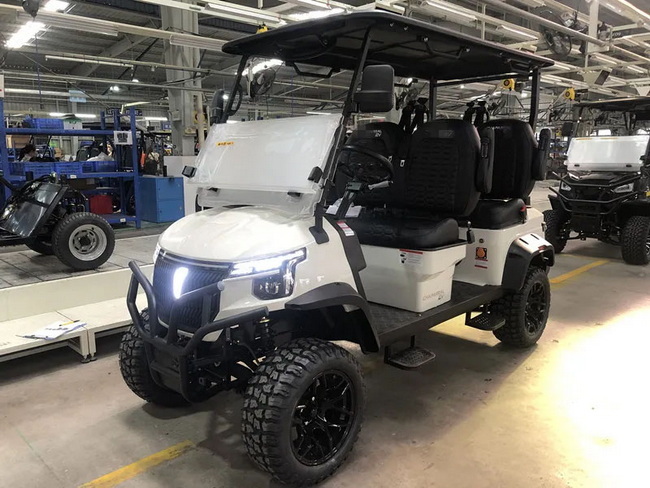
Yes. Even at low speeds, sudden stops, collisions, or rollovers can eject unrestrained passengers, so seat belts provide an important extra layer of protection wherever they are installed.
Only as many as the cart is designed and rated for; exceeding the manufacturer's seating capacity harms stability, lengthens stopping distance, and increases the chance of tipping or loss of control.
Basic daily or pre-shift inspections should be combined with regular, schedule-based maintenance according to the manufacturer's manual and fleet policy, especially for brakes, steering, tires, and batteries.
Light rain can be managed with lower speeds and careful driving, but strong rain, standing water, lightning, or storms significantly increase risk, so parking the cart and waiting for better conditions is safer.
Drive straight up and down at low speed, avoid turning sharply on slopes, never cross very steep side hills, and choose a different route or walk if the incline appears unsafe for your cart type.


