


Views: 222 Author: Leah Publish Time: 2026-01-27 Origin: Site


Content Menu
● What Is a Solenoid in an Electric Golf Cart?
● Does Every Electric Golf Cart Have a Solenoid?
● How the Solenoid Works in an Electric Golf Cart
● Main Functions of the Solenoid in an Electric Golf Cart
● Where Is the Solenoid Located on an Electric Golf Cart?
● Common Symptoms of a Bad Solenoid in an Electric Golf Cart
● Why the Solenoid Fails in an Electric Golf Cart
● How to Test a Solenoid on an Electric Golf Cart
● Replacing the Solenoid in an Electric Golf Cart
● Maintenance Tips to Protect the Solenoid in an Electric Golf Cart
● Solenoid Types Used in an Electric Golf Cart
● How the Solenoid Interacts with Other Electric Golf Cart Components
● Benefits of a Healthy Solenoid for Electric Golf Cart Owners
● Choosing Quality Solenoids for OEM Electric Golf Cart Production
● Best Practices for Electric Golf Cart Operators and Fleets
● FAQ
>> 1. Does every electric golf cart use a solenoid?
>> 2. What happens if the solenoid fails on an electric golf cart?
>> 3. How can I tell if the solenoid is bad on my electric golf cart?
>> 4. Where is the solenoid located on my electric golf cart?
>> 5. How often should the solenoid be replaced on an electric golf cart?
An electric golf cart does have a solenoid, and this component is one of the most important parts of the power and control system in any modern electric golf cart. Without a working solenoid, an electric golf cart cannot reliably send battery power to the motor, so the vehicle will not move at all.
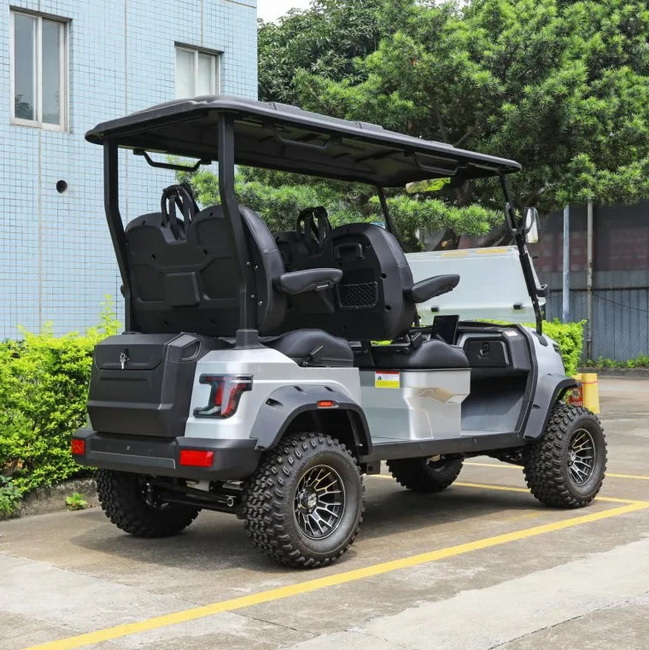
A solenoid in an electric golf cart is an electromechanical switch that controls the flow of electricity from the battery pack to the motor. When you press the accelerator pedal or turn the key, the solenoid closes an internal high‑current circuit that powers the motor and allows the electric golf cart to move.
In simple terms, the solenoid lets a small control current safely turn a large amount of battery current on and off. This switching action protects the wiring, makes the electric golf cart easier to control, and enables safe, smooth operation for both leisure and commercial users.
Almost every mainstream electric golf cart from major brands uses at least one main solenoid between the battery pack and the controller or motor. In many models, this solenoid is the “main contactor” that closes whenever the driver presses the pedal and opens again when they release it.
Some older or specialized carts may use multiple solenoids in series with resistor coils or advanced speed controllers, but they still rely on solenoid technology to manage high current. Whether the electric golf cart is a compact 2‑seater, a lifted hunting vehicle, or a low‑speed neighborhood vehicle, the solenoid remains a critical component.
The solenoid in an electric golf cart contains a coil of wire and a movable metal plunger inside a compact housing. When a small electrical signal comes from the key switch, pedal switch, or controller, the coil energizes and creates a magnetic field that pulls the plunger to close the internal contacts.
Once the contacts close, high‑current power flows from the battery pack through large terminals to the controller and motor, driving the electric golf cart forward or backward. When the control signal stops, the magnetic field disappears, the plunger returns to its rest position, and the contacts open, cutting power and bringing the electric golf cart to a stop.
The solenoid performs several essential functions that keep the electric golf cart safe and reliable.
- Power switching: It acts as the main on/off switch for high‑current power between the batteries and the motor circuit.
- Safety protection: It prevents high current from flowing when the key is off or when safety interlocks are triggered, reducing the risk of short circuits and overheating.
- Speed and torque control support: It works with the controller and other components to help regulate how quickly power is applied, supporting smooth acceleration in the electric golf cart.
- Motor protection: By controlling when heavy current flows, it protects the motor from being energized in unsafe conditions.
Because the solenoid turns on and off every time the driver presses the pedal, it is one of the hardest‑working parts in an electric golf cart electrical system.
On most electric golf cart models, the solenoid is located under the seat or in the main battery and controller compartment. It usually appears as a small cylindrical or rectangular device with two large terminals for the main cables and two smaller terminals for the control wires.
Depending on the brand and design, the solenoid may be mounted near the controller, battery bank, or forward/reverse assembly. Technicians often access the solenoid by lifting the seat base, which makes inspection and replacement straightforward for fleets, resorts, and OEM partners.
Because the solenoid is so central to the power system, solenoid failure creates clear problems in an electric golf cart.
Typical symptoms include:
- The electric golf cart does not start or move when the key is on and the pedal is pressed.
- No familiar “click” sound from the solenoid when attempting to drive.
- Intermittent operation where the electric golf cart runs sometimes and refuses to move at other times.
- Sudden loss of power while driving, followed by the cart stopping unexpectedly.
- Signs of overheating, a burnt smell, or discolored terminals on the solenoid body.
These symptoms can also be caused by weak batteries or poor wiring, so proper diagnosis is important before replacing parts in an electric golf cart.
Over time, the internal contacts in the solenoid can wear out due to repeated arcing every time the circuit opens under load in an electric golf cart. This pitting increases resistance, causes heat buildup, and eventually leads to performance loss or complete failure.
Other causes include loose or corroded terminals, damaged connectors, and prolonged overheating due to high current or poor ventilation in the electric golf cart compartment. Weak batteries and incorrect wiring can further stress the solenoid by forcing it to work under abnormal voltage conditions.
Testing the solenoid on an electric golf cart usually starts with a simple sound check. When you turn the key on, set the direction to forward, and press the pedal, a healthy solenoid typically makes a distinct click sound as it engages.
For a more accurate test, a technician can use a multimeter:
- Measure resistance across the large terminals when the solenoid is engaged; values close to very low resistance indicate a good solenoid.
- Check for proper voltage at the small control terminals when the pedal is pressed.
If there is no click, no voltage at the coil, or high resistance across the main terminals, the solenoid in the electric golf cart likely needs replacement.
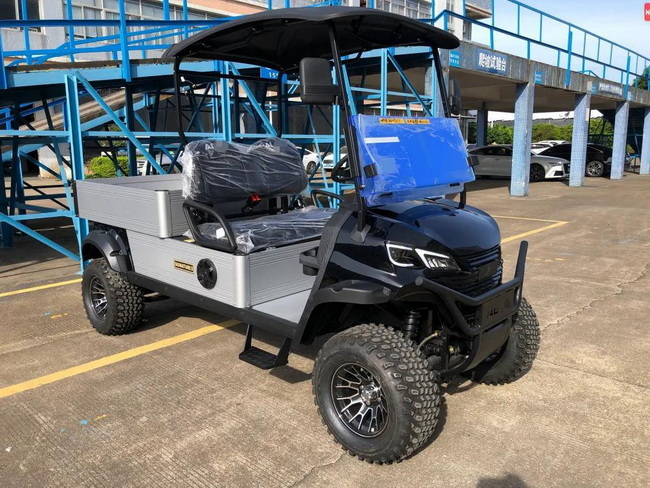
When replacement is necessary, the new solenoid must match the voltage and current rating of the electric golf cart system. Most standard models use a 4‑post solenoid, while some high‑torque or customized vehicles may require a heavier‑duty version.
Technicians disconnect the battery pack, label the cables, remove the old solenoid, and install the new one with correct torque and hardware. After installation, they test the electric golf cart for smooth engagement, stable acceleration, and absence of overheating at the new solenoid.
Regular checks help extend solenoid life and improve reliability for any electric golf cart used on courses, resorts, campuses, or industrial sites.
- Inspect and clean terminals: Remove corrosion and ensure tight connections on the solenoid and nearby cables.
- Monitor temperature: If the solenoid or surrounding wiring feels unusually hot, schedule a professional inspection.
- Maintain healthy batteries: Keeping the battery pack in good condition reduces stress on the solenoid and controller in the electric golf cart.
- Follow OEM load limits: Avoid overloading the electric golf cart beyond its rated capacity to reduce current spikes.
Well‑maintained solenoids give fleets and OEM partners more uptime, fewer breakdowns, and lower long‑term operating costs.
Different electric golf cart applications use different solenoid types, even though the basic function is the same. Standard duty solenoids are commonly found in light‑use personal carts, where the electric golf cart carries two to four passengers on flat courses or gated communities. Heavy‑duty solenoids, by contrast, are designed for higher current and more frequent cycling.
In lifted hunting vehicles, sightseeing shuttles, and multipurpose low‑speed vehicles, the electric golf cart often faces steeper terrain, heavier cargo, and longer operating hours, so a more robust solenoid is essential. High‑performance solenoids use stronger internal springs, larger contacts, and higher‑quality materials to resist heat and mechanical wear. For OEM producers, matching solenoid type to the duty cycle of each electric golf cart platform is an important design decision.
The solenoid in an electric golf cart does not work alone; it interacts closely with the controller, motor, batteries, and safety switches. When the driver turns the key and selects a direction, low‑voltage signals flow through the key switch, forward/reverse switch, and pedal switch to the controller. The controller then decides when to energize the solenoid coil and allow current to flow.
Once the solenoid closes, the controller rapidly manages power delivery to the motor using pulse‑width modulation and other control strategies. This cooperation allows the electric golf cart to accelerate smoothly, maintain speed, and protect components from overload. If any safety device, such as a brake switch or seat switch, opens the control circuit, the solenoid releases and the electric golf cart stops receiving high current.
A properly functioning solenoid brings several practical benefits to owners and fleet managers who depend on an electric golf cart for daily work or leisure. The electric golf cart starts reliably, with predictable response when the pedal is pressed, which improves user confidence and ride comfort. Downtime is minimized because the solenoid can handle repeated on/off cycles without sticking or failing.
A healthy solenoid also safeguards the motor and wiring harness. If the electric golf cart experiences an electrical fault, the solenoid can open the circuit quickly and reduce the chance of serious damage. For businesses operating sightseeing buses, hunting carts, and multipurpose vehicles, this reliability is especially valuable because it supports safe passenger transport and smooth operation.
For OEM manufacturers, choosing a high‑quality solenoid is part of building a durable electric golf cart platform. Engineers evaluate continuous current ratings, peak current capacity, coil voltage, environmental sealing, and expected lifecycle under real‑world operating conditions. A premium solenoid may cost more upfront, but it reduces failures and warranty claims over the lifetime of the electric golf cart.
When designing new electric golf cart models for international brands, wholesalers, and fleet customers, OEM factories can also standardize solenoids across multiple platforms. This reduces parts complexity, simplifies after‑sales service, and makes it easier for distributors to stock spares. As demand for electric golf cart solutions grows in resorts, industrial parks, and residential communities, a strong supply of dependable solenoids becomes a clear competitive advantage.
Operators and fleet managers can follow a few best practices to get the most from the solenoid and the entire electric golf cart system. First, they should implement regular inspection schedules that include checking the solenoid terminals, wiring, and mounting hardware. Any signs of burning, melting, or corrosion should be addressed immediately before they cause a breakdown.
Second, operators should train drivers to avoid habits that stress the solenoid in an electric golf cart, such as repeatedly stomping on the pedal or trying to start under extreme loads. Third, fleet managers should record fault symptoms and maintenance actions so they can spot patterns and plan preventive solenoid replacements. These steps support safer, smoother electric golf cart operation in golf resorts, tourism fleets, campuses, and logistics yards.
An electric golf cart does have a solenoid, and this device acts as the main high‑current switch between the battery pack and the motor system. Without a healthy solenoid, an electric golf cart cannot start, accelerate, or operate safely, which is why fleets treat it as a critical wear component.
Understanding how the solenoid works, where it is located, and how to test or replace it helps owners and technicians keep every electric golf cart running reliably for daily operations. With proper design, correct specifications, and regular maintenance, the solenoid supports long‑term performance for OEM‑built electric golf cart models used across golf courses, communities, tourism, and utility environments.
Contact us to get more information!
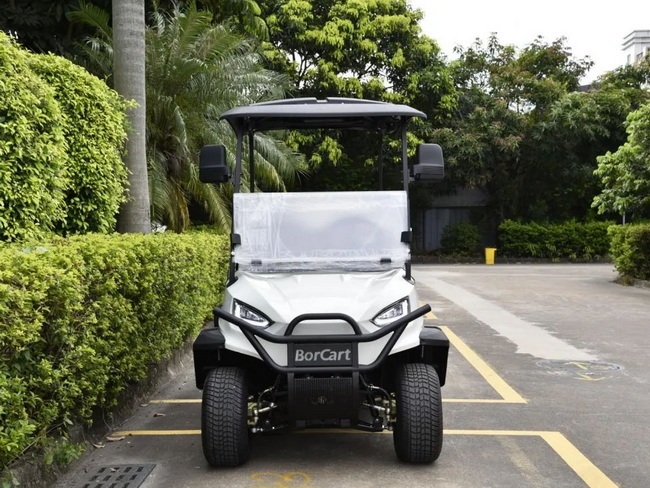
Yes, nearly all modern electric golf cart models from mainstream brands use at least one main solenoid to control the flow of power from the batteries to the motor. Some older or specialty designs may use multiple solenoids for different speed stages, but they all depend on solenoid technology for safe high‑current switching.
If the solenoid fails, the electric golf cart may refuse to start, lose power intermittently, or stop suddenly because the motor no longer receives reliable battery current. In some cases, you may hear no click when pressing the pedal, or you may notice heat or burning around the solenoid terminals.
Common signs of a bad solenoid in an electric golf cart include a lack of clicking noise at startup, stalling during operation, and inconsistent movement when you press the pedal. A multimeter test showing high resistance across the main terminals or missing voltage at the coil also points to solenoid failure.
On most electric golf cart designs, the solenoid sits under the seat or near the front of the battery compartment, close to the controller. It appears as a compact cylindrical or rectangular device with two large cable posts and two smaller control posts connected to the key and pedal circuits.
There is no fixed replacement interval because solenoid life depends on usage intensity, load, temperature, and maintenance practices in each electric golf cart. Many fleet operators replace solenoids proactively when they show early symptoms or during major electrical overhauls to avoid unexpected downtime.
1. https://guildgolfcarts.com/what-is-a-solenoid-in-a-golf-cart/
2. https://fsip.blog/2014/07/15/about-your-golf-cart-solenoid/
3. https://golfcartresource.com/symptoms-of-a-bad-solenoid-on-a-golf-cart/
4. https://jsgolfcarts.com/blog/if-a-golf-cart-solenoid-is-bad/
5. https://taraelectricvehicles.com/blog/2025/05/27/where-is-the-solenoid-on-a-golf-cart-and-how-to-test-it/
6. https://www.golfcartgarage.com/blog/symptoms-of-a-bad-golf-cart-solenoid-signs-to-look-for/
7. https://10l0l.com/blogs/blog/principles-and-functions-of-the-club-car-solenoid-kit
8. https://www.eastcoastgolfcarts.com.au/articles/golf-cart-solenoids-what-you-need-to-know-before-you-buy
9. https://cartaholics.com/threads/club-car-how-many-solenoids.21006/
10. https://www.youtube.com/watch?v=0HKaBxqhnNM


