


Views: 222 Author: Leah Publish Time: 2026-01-27 Origin: Site


Content Menu
● What Is a Governor on a Golf Cart?
● Does an Electric Golf Cart Really Have a Governor?
● How Speed Control Works in an Electric Golf Cart
● Why Electric Golf Carts Need Speed Limiting
>> Safety in Pedestrian‑Heavy Areas
>> Battery Management and Range
>> Mechanical Protection and Longevity
● Can You Adjust or Remove the “Governor” on an Electric Golf Cart?
>> Risks of Bypassing Speed Limits
● How BorCart Designs Electric Golf Cart Speed Control
>> Engineered for Safety and Compliance
>> OEM/ODM Customization for Global Brands
● Practical Tips for Owners of Electric Golf Carts
>> 1. Know Your Cart's Intended Use
>> 3. Use Authorized Technicians
>> 4. Maintain Battery and Controller Health
>> 5. Match Performance to Terrain
● FAQ
>> 1. Does every electric golf cart have a governor?
>> 2. How fast can a factory‑set electric golf cart go?
>> 3. Can I remove or bypass the governor on my electric golf cart?
>> 4. How can I safely make my electric golf cart a little faster?
>> 5. Why do fleet operators prefer governed electric golf carts?
Electric golf carts are becoming the preferred choice on golf courses, resorts, campuses, and residential communities, and many users wonder whether an electric golf cart has a governor and how its speed is controlled. Yes, an electric golf cart does have a functional equivalent of a governor, but it works differently from the traditional mechanical device used in gas models. Instead of a simple mechanical limiter, an electric golf cart uses an electronic speed controller and related systems to manage speed, torque, and overall driving behavior.
In this article, we will explain how speed control works in an electric golf cart, what “governor” means in this context, whether it can be adjusted, and what owners should know before modifying it. We will also briefly introduce BorCart as your OEM/ODM partner for high‑quality electric golf carts and discuss how professional engineering ensures safe and compliant speed control for global markets.
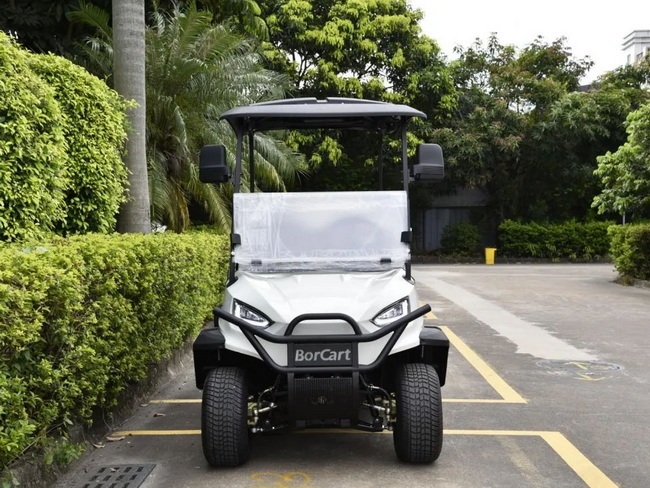
On a traditional gas golf cart, a governor is a mechanical device linked to the engine that physically limits the throttle opening and thus the top speed. It typically uses centrifugal weights, springs, and linkages that react to engine RPM, reducing fuel flow when a preset speed is reached.
In the world of the electric golf cart, the word “governor” is used more loosely. Instead of a mechanical governor, an electric golf cart relies on electronic components—mainly the motor controller, throttle sensor, and battery management systems—to regulate speed. These components perform the same core job as a governor: they prevent the electric golf cart from going faster than a safe, programmed limit while preserving battery and drivetrain life.
Key points about governors and electric golf carts:
- Gas golf carts use a mechanical governor linked to the engine and carburetor to limit RPM.
- Electric golf carts use an electronic speed controller (ESC) and software settings to limit maximum speed and current.
- The purpose is similar in both cases: safety, regulatory compliance, and protection of components.
Strictly speaking, most modern electric golf carts do not use a separate, traditional mechanical governor like older gas models. Instead, the “governor” function is integrated into the electric golf cart's motor controller and sometimes the vehicle control unit software.
Some industry sources describe this integrated control as an “electric golf cart governor” because it regulates maximum speed and acceleration in the same way a governor would. You may see the following terms used:
- Speed controller or motor controller
- Electronic speed controller (ESC)
- Controller‑based governor or electronic governor
Regardless of the terminology, your electric golf cart is governed by software parameters that determine:
- Maximum speed (often around 15–25 mph depending on model and intended use)
- Acceleration curve and torque delivery
- Reverse speed limit
- Regenerative braking behavior
For example, an electric golf cart designed for golf courses may be factory‑limited to keep speed safe for pedestrians and comply with local rules, while an electric golf cart used as a low‑speed vehicle in communities may be programmed differently.
In an electric golf cart, the driver's foot on the accelerator pedal sends a signal to the controller, not directly to the motor. The controller interprets that signal, checks various limits (such as programmed maximum speed, current limit, and battery status), and then sends a controlled amount of current to the motor.
Typical components involved in electric golf cart speed control include:
- Throttle position sensor or pedal sensor that measures how far the pedal is pressed and sends a voltage signal to the controller.
- Electronic speed controller that acts as the “brain,” regulating motor current, torque output, and maximum speed, effectively serving as an electronic governor.
- Motor (AC or DC) that converts electrical energy into mechanical rotation, with speed and torque controlled via current and voltage from the controller.
- Battery pack and battery management system that provide power and may enforce current limits to protect cells, indirectly affecting the maximum performance of the electric golf cart.
When you reach the programmed top speed, the controller simply stops increasing current to the motor, even if you press the pedal further. This is how an electric golf cart remains governed within safe limits without any mechanical linkage.
Even though an electric golf cart does not use a traditional mechanical governor, limiting speed is still essential for several reasons.
Electric golf carts are commonly used on golf courses, resorts, campuses, industrial parks, and residential communities where many pedestrians, cyclists, and slow‑moving vehicles are present. A governed electric golf cart reduces the risk of accidents and injuries by preventing excessive speed in these environments.
A well‑tuned electric golf cart controller offers:
- Smooth acceleration rather than sudden surges
- Predictable top speed that operators can become familiar with
- Stable handling because speed matches braking and steering capabilities
For fleet operators such as golf courses and hotels, having all electric golf carts set to similar speed limits also improves consistency and safety training.
High speed and aggressive acceleration draw more current from the battery pack, which shortens runtime and puts extra stress on the cells. By acting as an electronic governor, the controller in an electric golf cart protects the batteries by limiting current and moderating speed.
This helps the electric golf cart to:
- Maintain consistent range over many charge cycles
- Reduce heat buildup in the pack and controller
- Extend overall battery life, lowering total cost of ownership
For users who rely on an electric golf cart for full‑day use on golf courses or in large resorts, these benefits are critical.
In many regions, regulations classify golf carts and low‑speed vehicles according to maximum speed, equipment, and intended road usage. An electric golf cart that exceeds the allowable speed range could fall into a different vehicle category and require additional homologation, licensing, or safety features.
Manufacturers program the electronic “governor” limits of an electric golf cart to:
- Meet golf course and resort rules
- Comply with local and national road regulations where applicable
- Avoid legal issues for fleet operators and property owners
For example, in some markets, a low‑speed electric golf cart used on certain public roads must not exceed a specific speed range; the controller settings are calibrated accordingly.
Even though electric golf carts do not have engines in the traditional sense, their motors, gearboxes, axles, and tires can still be damaged by excessive speed or torque. Controlled speed limits reduce stress on these components and help the electric golf cart deliver reliable service over many years of operation.
Properly governed electric golf carts experience fewer drivetrain failures, more predictable tire wear, and lower maintenance costs for owners and fleet managers.
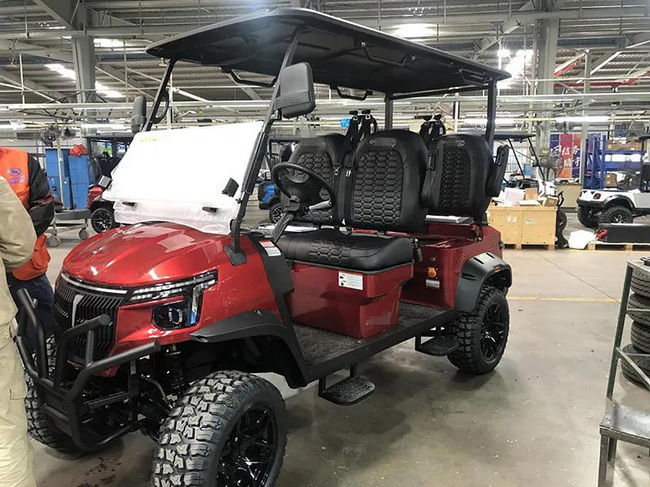
Many owners and fleet operators ask whether they can adjust, bypass, or remove the governor on an electric golf cart to achieve higher speeds. In practice, this means reprogramming the motor controller or changing related hardware rather than removing a physical governor.
Some electric golf cart controllers are programmable by authorized technicians using a diagnostic handset, software interface, or specific codes. Within reasonable limits, a technician can adjust parameters such as:
- Maximum forward speed
- Reverse speed
- Acceleration profile
- Regenerative braking strength
However, changing these parameters beyond the manufacturer's specifications can create safety and legal risks. It may also void the warranty on the electric golf cart. For fleet operators or commercial users, keeping factory‑approved settings is usually the safest and most cost‑effective approach.
In some cases, owners upgrade controllers, motors, or batteries to improve performance, especially for lifted electric golf carts or off‑road hunting carts. When this is done properly, the new controller often includes its own configurable electronic governor that still limits maximum speed to keep the electric golf cart safe and balanced.
Before making any performance changes to an electric golf cart, it is important to consider:
- Brake capacity and tire ratings
- Chassis and suspension limits
- Local regulations on golf cart and low‑speed vehicle operation
- The typical load (number of passengers, cargo weight, and terrain)
If these factors are ignored, an electric golf cart that has been modified to go faster may become unstable or difficult to stop safely.
Attempting to “de‑govern” an electric golf cart without professional engineering can lead to several problems:
- Increased risk of accidents and rollovers, especially when turning at higher speeds
- Accelerated wear on drivetrain components and tires
- Reduced battery life and possible overheating of the motor or controller
- Loss of manufacturer warranty and potential regulatory non‑compliance
For commercial fleets, resorts, or campuses, maintaining factory‑set limits on every electric golf cart is almost always the safest and most cost‑effective choice. Even for private users, responsible adjustment with professional support is far better than uncontrolled modification.
BorCart is a high‑tech manufacturer of electric vehicles based in China, specializing in electric golf carts, sightseeing buses, low‑speed vehicles, hunting vehicles, and multi‑purpose vehicles for global customers. With a large production base, advanced R&D capabilities, and comprehensive OEM/ODM services, BorCart can tailor electric golf cart performance and speed control to different markets and customer requirements.
BorCart electric golf carts are designed to balance ride comfort, efficiency, and safety across golf, tourism, community, and commercial applications. By integrating high‑quality motors, controllers, and charging systems from recognized suppliers, each BorCart electric golf cart delivers stable, governed speed and reliable performance.
When developing an electric golf cart for a specific market, BorCart's engineering team can:
- Program appropriate maximum speeds according to local regulations and site conditions
- Customize acceleration and braking behavior for golf courses, resorts, or industrial parks
- Optimize battery and controller settings for the required range and duty cycle
- Ensure the electric golf cart meets the standards of target countries and regions
By focusing on both hardware and software, BorCart keeps every electric golf cart within safe operating limits while still delivering a comfortable driving experience.
As an OEM/ODM manufacturer, BorCart provides branded electric golf carts to overseas distributors, wholesalers, and vehicle producers who need reliable, customizable products. This includes fleet solutions for golf courses, hotels, real estate developments, and rental operators that require governed electric golf carts with consistent, safe speed settings.
Typical customization options for an electric golf cart include:
- Seating configurations (2, 4, 6 or more passengers)
- Body styling, lighting design, and color schemes
- Battery type (lead‑acid or lithium) and controller specifications
- Speed and torque profiles appropriate for terrain and application
- Optional accessories such as enclosures, cargo boxes, and infotainment systems
By working with a professional manufacturer, customers can ensure every electric golf cart in their fleet is governed correctly while still delivering the ride quality and performance their end‑users expect.
Before trying to change speed settings, consider whether your electric golf cart is primarily used on golf courses, private property, or public roads. Each scenario has different safety expectations and regulatory requirements that influence the recommended top speed of the electric golf cart.
For example, a resort may require low speeds to protect pedestrians and maintain a relaxed atmosphere, while a gated community might allow slightly higher speeds for longer internal routes.
Some jurisdictions specify maximum speeds and equipment standards (such as lights, mirrors, and seat belts) for golf carts and low‑speed vehicles. If you reprogram the controller so your electric golf cart exceeds these limits, it could be treated as a different vehicle category and require additional approvals, inspections, or insurance.
Always check local rules before modifying the performance of your electric golf cart, especially if you plan to use it on any public road or shared access way.
If you need a small adjustment to the acceleration or top speed of your electric golf cart, consult with the manufacturer or a certified service provider. They can reprogram the controller within safe and approved ranges without compromising reliability or warranty coverage.
Authorized technicians are familiar with the limits of specific models and can advise whether your desired settings are suitable for your electric golf cart's brakes, suspension, and battery system.
To keep the electronic “governor” working correctly, owners should:
- Charge the battery pack with an approved charger and follow recommended charging times
- Avoid frequent deep discharges whenever possible
- Keep the controller and electrical connections clean, dry, and properly ventilated
- Inspect wiring and connectors periodically for signs of corrosion or damage
Healthy batteries and electronics ensure your electric golf cart delivers consistent performance at its intended governed speed and reduces the risk of sudden power loss or error codes.
If your electric golf cart regularly operates on steep hills, off‑road paths, or heavily loaded routes, you may need a different performance setting than a flat, light‑duty application. Rather than simply trying to increase top speed, it can be more effective to optimize torque, acceleration, and regenerative braking for your typical terrain.
Discussing these factors with your electric golf cart supplier or OEM partner, such as BorCart, can help you define the most suitable configuration.
An electric golf cart does not usually have a separate mechanical governor like a gas‑powered cart, but it absolutely has speed‑limiting functions built into its electronic controller and vehicle software. These systems act as an electronic governor, regulating the maximum speed, controlling acceleration, and protecting both the battery and drivetrain of the electric golf cart. From a safety and regulatory perspective, this governed behavior is essential for golf courses, resorts, residential communities, and industrial facilities that operate fleets of electric golf carts in close proximity to pedestrians and other vehicles.
While it is technically possible in many cases to reprogram or upgrade an electric golf cart controller to change speed limits, doing so must be carefully evaluated against braking capability, chassis design, and regulatory requirements. For most users, leaving the electric golf cart at factory‑configured settings or working with the manufacturer for approved tuning delivers the best balance of performance, safety, and longevity.
As a specialized OEM/ODM manufacturer, BorCart designs and builds electric golf carts with integrated, reliable speed control systems tailored to global markets and diverse applications. Whether you are a brand owner, wholesaler, or vehicle producer looking for private‑label solutions, partnering with BorCart ensures your electric golf cart lineup is safe, compliant, and ready for professional use.
Contact us to get more information!
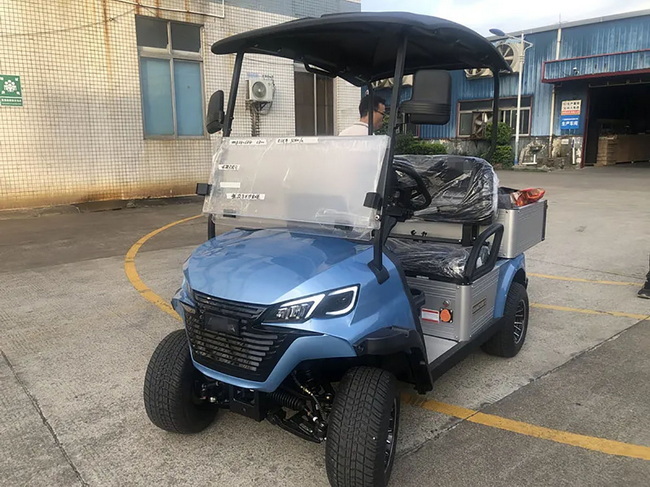
Yes, every modern electric golf cart has some form of speed‑limiting system, although it is usually integrated into the electronic controller instead of being a separate mechanical governor. The controller and related electronics act as an electronic governor by restricting maximum speed and controlling current to the motor of the electric golf cart. Even if you do not see a visible mechanical device, the governing function is present in the software.
Most standard electric golf carts are factory‑limited to a top speed of roughly 15–25 mph, depending on model, market regulations, and intended use. Fleet carts on golf courses may be set at the lower end of this range to improve safety, while community or resort electric golf carts that meet low‑speed vehicle criteria may be configured slightly higher within legal limits. Any substantial increase beyond this range should only be done with professional guidance.
On an electric golf cart, “removing the governor” usually means reprogramming or replacing the controller to change speed limits rather than physically removing a device. While this is technically possible on many models, bypassing built‑in limits can reduce safety, shorten battery and drivetrain life, violate regulations, and may void your electric golf cart's warranty. Before making such changes, consult the manufacturer or an authorized service center and carefully consider the risks.
If your application legitimately requires a higher governed speed, the safest approach is to consult with the manufacturer or an authorized technician for your electric golf cart. They may be able to adjust controller parameters, upgrade components, or provide an approved performance package that maintains safe braking, stability, and legal compliance while slightly increasing the speed. Small, well‑engineered adjustments are preferable to aggressive, untested modifications.
Fleet operators such as golf courses, hotels, and campuses prefer properly governed electric golf carts because they reduce accidents, lower maintenance costs, and simplify regulatory compliance. Consistent speed limits across fleets of electric golf carts also make training easier and ensure a predictable, comfortable experience for both drivers and passengers in busy environments. Well‑governed electric golf carts help protect both people and property while extending vehicle service life.
1. https://www.langqinggolfcart.com/does-an-electric-golf-cart-have-a-governor.html
2. https://www.redway-tech.com/what-does-a-governor-do-on-a-golf-cart/
3. https://carts-and-parts.com/how-to-take-the-governor-off-a-golf-cart/
4. https://www.golfcartgarage.com/blog/how-to-adjust-a-golf-cart-governor/
5. https://borcart.en.made-in-china.com
6. https://borcart.en.made-in-china.com/company-Guangzhou-Borcart-Electric-Vehicle-Co-Ltd.html
7. http://gzborcartev.com
8. http://zh.borcartev.com/news/the-electric-vehicle-exhibition-showing/
9. https://www.borcartev.com/about-us/
10. https://www.youtube.com/watch?v=36eMULZ8cvw


