


Views: 222 Author: Leah Publish Time: 2025-12-29 Origin: Site


Content Menu
● Understanding What a Golf Buggy Is
● Different Types of Golf Buggies
● Golf Buggy vs. Road Vehicle: The Legal Distinction
● Legal Rules by Country and Region
>> Australia
>> Singapore and Southeast Asia
● Safety Concerns When Driving a Golf Buggy
>> Safety Risks
● Alternatives to Driving on Pavements
● Golf Buggy Innovations and the Future of E-Mobility
● Environmental Benefits of Using Electric Golf Buggies
>> Key Environmental Advantages
● Making Your Golf Buggy Street-Legal
>> Checklist for Street Compliance
● Economic and Lifestyle Impact of Golf Buggies
● FAQ
>> 1. Can I drive my golf buggy on the pavement?
>> 2. What is the maximum speed allowed for golf buggies on public roads?
>> 3. Are golf buggies environmentally friendly?
>> 4. Do I need insurance to operate a golf buggy?
>> 5. Can a golf buggy climb hills or uneven terrain?
The golf buggy has quickly moved from being a niche golf course transport to a versatile symbol of eco-friendly mobility. Once restricted to shuttling players and clubs around fairways, today's electric golf buggies are used in resorts, private communities, industrial complexes, and holiday parks. As these vehicles become more common in everyday environments, one question keeps surfacing: Can you drive a golf buggy on the pavement?
The short answer is usually no, but the full explanation involves legal definitions, safety concerns, and environmental considerations. In this guide, we'll explore the laws, practical uses, and future of golf buggies — brought to you by BorCart, one of China's premier manufacturers of electric vehicles and OEM golf buggies for global brands.
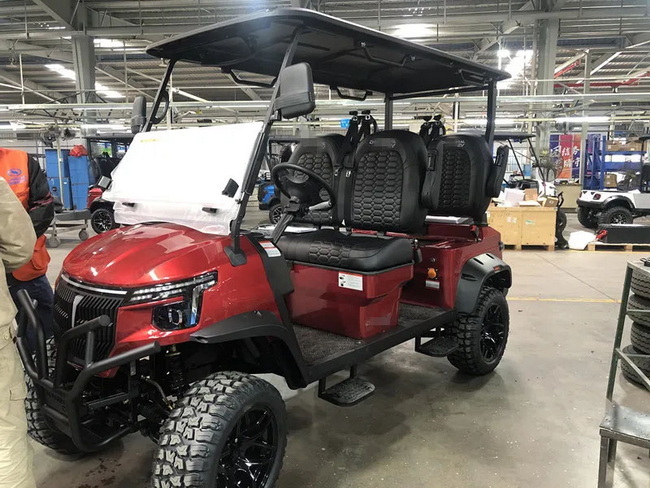
A golf buggy (often referred to as a golf cart or electric golf vehicle) is a compact, low-speed, battery-powered vehicle engineered primarily for carrying golfers and their gear. These vehicles are also valued for being quiet, energy-efficient, and easy to maneuver in tight areas.
Typical features include:
- A lightweight aluminum or steel frame.
- Electric drive systems with rechargeable batteries.
- Seating configurations for 2 to 6 passengers.
- Modest top speeds ranging from 12–25 km/h (7–15 mph).
- Tires suited for smooth turf and light off-road conditions.
As EV technology evolves, golf buggies are also becoming smarter and more stylish, featuring LED lighting, digital dashboards, and custom luxury interiors — features that BorCart integrates for both standard and OEM clients.
While the basic purpose of a golf buggy is transportation, modern designs vary widely based on intended use. At BorCart, golf buggy production extends across several functional categories:
- Classic golf course buggy – Lightweight design perfect for navigating fairways and greens without damaging turf.
- Resort or sightseeing buggy – Configured for passenger comfort and extended visibility, used in hotels, parks, and tourist destinations.
- Utility golf buggy – Equipped with a rear cargo bed for maintenance staff and light delivery within campuses or estates.
- Hunting or off-road buggy – Fitted with enhanced suspension, broader tires, and more power for rugged terrain.
- Street-legal buggy (Low-Speed Vehicle) – Outfitted with all required road-use accessories, from headlights to signal indicators.
This diversification means not every golf buggy is built for the same environment—and understanding that difference is vital before taking one onto public pavements or roads.
Whether you can take your golf buggy off private land usually depends on how local authorities classify it. In most jurisdictions, there's a big difference between non-road vehicles and roadworthy electric vehicles.
- Meant solely for golf courses, resorts, or private estates.
- Lacks essential safety gear (lights, seatbelts, mirrors).
- Not registered with transport authorities.
- Electric vehicle capable of reaching 25–40 km/h (15–25 mph).
- Meets safety and equipment requirements under laws such as the U.S. NHTSA—or similar regulations elsewhere.
- Can be registered, insured, and used on limited public roads (but not pavements).
If your golf buggy lacks proper registration or road modifications, it cannot legally be used on public pavements or highways. Pavements are designed for slower, foot-based movement, not vehicle operations.
UK law recognizes golf buggies as “light quadricycles” if adapted for road use. Driving on pavements is generally illegal unless the pavement is private property. Golf buggies are restricted to roads with speed limits not exceeding 30 mph, assuming they comply with DVLA requirements.
Regulation varies across states:
- In Florida, LSV-compliant golf buggies can be driven on roads limited to 35 mph or less but are prohibited on sidewalks.
- California allows low-speed electric vehicles on residential or community roads if licensed and insured.
- Texas leaves discretion to local councils but primarily restricts golf buggies from pedestrian pavements.
Each state defines its guidelines. For example:
- In Queensland, golf buggies can operate within approved “golf buggy zones” like resorts or gated communities.
- Using one on public pavements or streets without registration is prohibited.
Singapore's laws classify golf buggies under “electric vehicles,” but only private compounds can authorize their use. Pavements are reserved for pedestrians, cyclists, and mobility scooters. Neighboring countries like Malaysia uphold similar restrictions.
Even when legally permitted, using a golf buggy on or near pedestrian zones introduces specific risks due to its design limitations.
- Reduced visibility: Buggies often lack mirrors or signal lights.
- Low braking performance: Designed for turf or low friction, braking distances may be longer on concrete.
- Pedestrian proximity: Pavements are narrow, making collisions more likely.
- Stability issues: Small wheels and high centers of gravity reduce traction on uneven ground.
For optimal safety:
1. Always keep the speed under 15 km/h in shared spaces.
2. Avoid crowded pedestrian areas.
3. Upgrade to models with lights, mirrors, and turn indicators.
4. Train all users on safe operation, especially if used in resorts or campuses.
5. Conduct regular maintenance on tires, brakes, and battery systems.
At BorCart, each golf buggy model undergoes durability and safety testing to ensure consistent performance under diverse conditions—from grass to gravel and concrete.
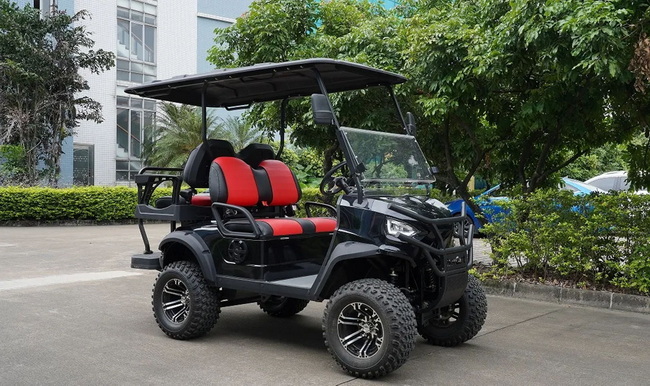
There are several practical alternatives to using pavements for transport:
- Private access lanes: Designed within estates or resorts for buggies and service vehicles.
- Golf course tracks: Turf-friendly paths specifically built for golf buggy travel.
- Low-speed roads: Community zones with shared mobility infrastructure.
- Resort roads or industrial complexes: Internal routes that follow defined safety rules.
Many eco-friendly developments now feature mixed-use corridors where bicycles, pedestrians, and low-speed vehicles coexist under controlled limits. Golf buggies fit perfectly in these environments, bridging the gap between walking and traditional cars.
As urbanization intensifies, more attention turns to small electric mobility vehicles like golf buggies. They represent a green alternative to short-distance car trips while promoting safety and sustainability.
Modern golf buggies are integrating cutting-edge technology such as:
- Lithium-ion batteries for longer travel ranges and faster charging.
- Regenerative braking systems improving energy efficiency.
- Digital dashboards with real-time data and smart controls.
- Solar-assisted charging roofs reducing energy consumption.
BorCart leads in EV and golf buggy manufacturing with advanced facilities in China, supplying OEM services worldwide. From design customization to full-scale production, BorCart partners with dealers, resort chains, and wholesale distributors seeking quality, affordability, and durability.
Our mission is clear: to make every golf buggy not only a vehicle but a reflection of forward-thinking, sustainable mobility.
Beyond practicality, golf buggies contribute significantly to a greener world.
- Zero tailpipe emissions: No carbon dioxide or nitrogen oxides, unlike combustion engines.
- Energy efficiency: Electric buggies convert most of the supplied energy into motion.
- Low noise levels: Perfect for peaceful resort environments and residential communities.
- Reduced operational costs: Minimal servicing compared to fuel-powered alternatives.
- Support for sustainability goals: Aligns with local and corporate environmental responsibility targets.
Adopting golf buggies helps cities and organizations reduce greenhouse gas emissions while enhancing mobility comfort and user satisfaction.
If you plan to drive beyond private zones, here's what you must prepare.
1. Check local classifications for low-speed vehicles or quadricycles.
2. Install road equipment — headlights, brake lights, mirrors, and signal indicators.
3. Add safety systems — seatbelts, wipers (if required), horn, and reflectors.
4. Register with local authorities and obtain a vehicle identification number (VIN).
5. Get insurance coverage suited for limited-road vehicles.
6. Undergo inspection verifying compliance with speed and emission standards.
Completing these steps transforms a standard golf buggy into a versatile low-speed mobility solution for resorts, communities, and businesses.
The golf buggy is now a lifestyle product as much as a transport utility. Across developed and developing markets, individuals and corporations purchase them not just for golf courses but for:
- Retirement villages for seniors.
- University campuses for staff mobility.
- Industrial parks for logistics and supervision.
- Luxury resorts and theme parks for guest transfers.
- Airports or hospitals to move personnel and equipment efficiently.
The result is a growing secondary market for accessories such as canopies, customized seats, GPS trackers, and Bluetooth infotainment systems—elements that make every golf buggy more personalized and valuable.
So, can you drive a golf buggy on the pavement? The definitive answer is no, unless you're within private land or clearly authorized zones. Pavements remain for pedestrians, and using a motorized buggy on them violates regulations in most countries.
However, with increasing acceptance of low-speed electric vehicles (LSVs), golf buggies now bridge the gap between walking and full-size driving. Once properly equipped and registered, they can legally operate on certain public roads or community lanes.
By choosing advanced, safe, and eco-friendly golf buggies such as those produced by BorCart, users and businesses can experience comfort, convenience, and sustainability—whether on a golf course, resort, or modern neighborhood.
BorCart continues to lead in delivering smart, reliable, and customizable golf buggies to global partners who prioritize innovation and environmental performance.
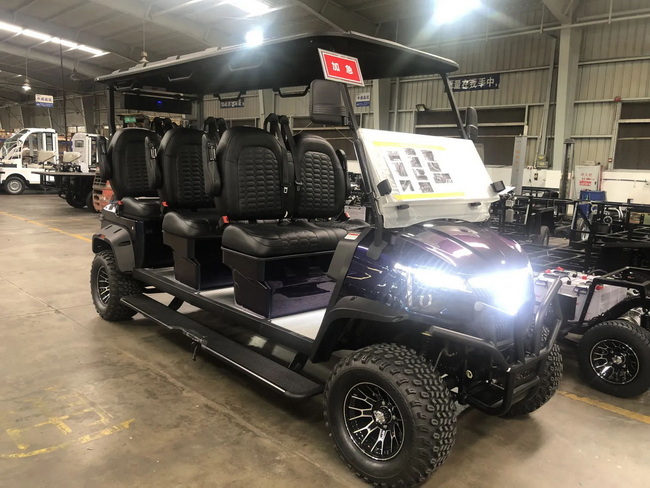
No, pavements are designed for pedestrian use. Unless your property includes private paved areas, driving a golf buggy there is typically prohibited by law.
Street-legal golf buggies, or LSVs, are restricted to 25–40 km/h (15–25 mph) on roads with speed limits of 35 mph (56 km/h) or less. Always consult your local transport department.
Yes. Electric golf buggies produce zero emissions, operate quietly, and reduce energy use compared to fossil-fuel-powered vehicles. They're ideal for green mobility initiatives.
Insurance is not necessary for vehicles used exclusively on private grounds. If you operate a golf buggy on public roads, third-party liability insurance is usually mandatory.
Modern utility and hunting models can handle moderate slopes and off-road surfaces. BorCart designs its buggies with enhanced torque and advanced traction control systems for such uses.


