


Content Menu
● Brand Overview and Market Reputation
● Durability and Frame Technology
● Expected Lifespan and Long‑Term Value
● Ride Comfort and Driving Experience
● Performance, Power, and Terrain Capability
● Key Features and Convenience Elements
● Customization and Upgrade Potential
● Use Cases Beyond the Golf Course
● Pros of Choosing a Club Car Golf Car
● Cons and Trade‑Offs to Consider
● Club Car vs. Other Golf Car Brands
● Suitability for Different Types of Buyers
● How Club Car Fits the Golf Car OEM Landscape
● Practical Tips When Shopping for a Club Car Golf Car
● FAQ
>> 1. Are Club Car golf carts reliable?
>> 2. How long can a Club Car golf car last?
>> 3. Are Club Car golf carts worth the higher price?
>> 4. Should I choose gas, electric, or lithium for my Club Car golf car?
>> 5. Is a Club Car golf car suitable for non‑golf applications?
Club Car golf carts have earned a strong reputation as premium, long‑lasting vehicles that many golfers, homeowners, resorts, and fleets trust for daily use. A Club Car golf car stands out for its aluminum frame, refined ride quality, and broad customization options that suit both recreational and commercial buyers. For anyone considering a reliable golf car that can deliver years of service, Club Car consistently ranks among the most respected names in the industry.
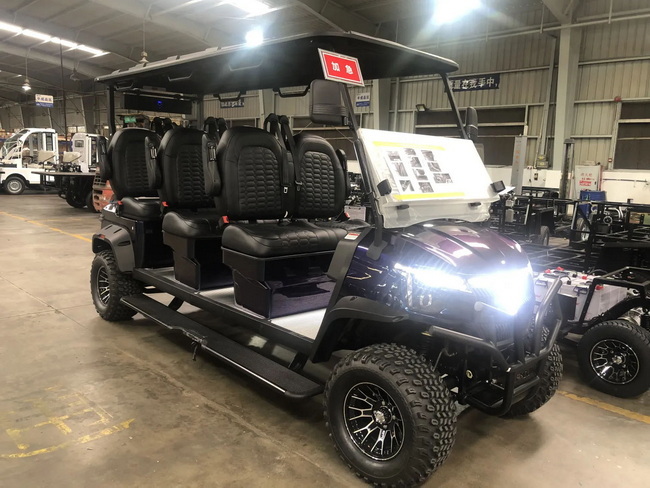
Club Car is one of the best‑known manufacturers in the golf car and low‑speed vehicle space, supplying vehicles to golf courses, communities, and private owners worldwide. The brand has focused for decades on durability and performance, which is why it is often included in top golf car brand lists and comparison guides alongside other major names.
Because of this long history and consistent product evolution, many buyers view Club Car as a benchmark when evaluating the quality of any golf car. A robust dealer network, steady product updates, and a focus on both fleet and personal markets all reinforce its standing as a premium golf car brand.
A major reason Club Car golf carts are considered good is the use of an aluminum frame on many models, rather than the steel frames common in some other brands. Aluminum resists rust and corrosion far better than traditional steel, which is crucial if a golf car will be stored outdoors or used in humid or coastal environments.
This frame construction means the structural core of a Club Car golf car can stay solid for many years, even if cosmetic parts such as seats or body panels eventually need renewal. Owners who invest once in a premium golf car often value the peace of mind that the underlying chassis will not rust away prematurely, making refurbishing or upgrading the vehicle a practical long‑term strategy.
With basic care, a Club Car golf car is known to last for many years of regular use, and it is common to see older models still operating reliably in private communities and on golf courses. Routine maintenance such as tire checks, brake servicing, and battery care tends to be more important than major structural repairs because of the durable frame and drivetrain design.
Over time, this longevity can translate into strong resale value. Many buyers are willing to pay more for a used Club Car golf car than for a similar‑age unit from lesser‑known brands because they expect the vehicle to continue performing well for additional years. For budget‑minded buyers, even a refurbished Club Car golf car can be an attractive alternative to a brand‑new but lower‑tier model.
Comfort is another area where a Club Car golf car usually feels more refined than basic carts. Suspension components, steering geometry, and chassis tuning are designed to keep the ride smooth over cart paths, gravel, and slightly uneven terrain. This can reduce fatigue during long rounds of golf or extended neighborhood drives.
Drivers often comment on the stable, planted feel of a Club Car golf car, especially when turning with passengers or when carrying extra weight. The combination of a solid frame, well‑designed suspension, and good weight balance helps the golf car track predictably, which is beneficial for both new and experienced users.
From a performance perspective, modern Club Car golf carts are built to handle hills, curves, and frequent stop‑and‑go usage. Many models offer strong torque and responsive acceleration, so the golf car does not struggle excessively when climbing inclines or carrying multiple riders plus gear.
Buyers can choose between gas engines, traditional electric powertrains, and advanced lithium‑ion battery systems. Gas‑powered Club Car golf carts deliver long range and quick refueling, while electric versions are quiet and smooth. Lithium‑equipped Club Car golf carts combine rapid acceleration, lighter weight, and reduced battery maintenance, making them popular for demanding personal and commercial use.
Modern Club Car personal vehicles and golf carts come with a range of features that improve daily usability. Many configurations include automotive‑style LED headlights and tail lights, turn signals, horn, and mirrors, which are important for low‑speed street use in certain communities. Some models designed as low‑speed vehicles (LSVs) also integrate additional safety hardware suitable for on‑road regulations where allowed.
Comfort options such as plush seats, armrests, cup holders, and ergonomic controls make longer rides more pleasant. Storage compartments, under‑seat space, and optional rear seats that flip into cargo platforms allow a Club Car golf car to handle groceries, golf bags, tools, or luggage. These details make the golf car useful far beyond a simple round of golf.
Club Car golf carts are highly customizable, which is a major attraction for enthusiasts and fleet operators who want to tailor vehicles to specific environments. Owners can select from different body colors, seat materials, wheels, and tire styles to create a golf car that matches a community theme, resort branding, or personal taste.
Lift kits and off‑road tire packages transform a standard Club Car golf car into a capable vehicle for trails, hunting, or rural properties. Additional accessories such as windshields, enclosures, roofs, coolers, USB charging ports, and upgraded audio systems allow the golf car to serve as a comfortable, weather‑resistant shuttle in many contexts. This wide accessory ecosystem shows how popular the platform is with both aftermarket suppliers and OEM partners.
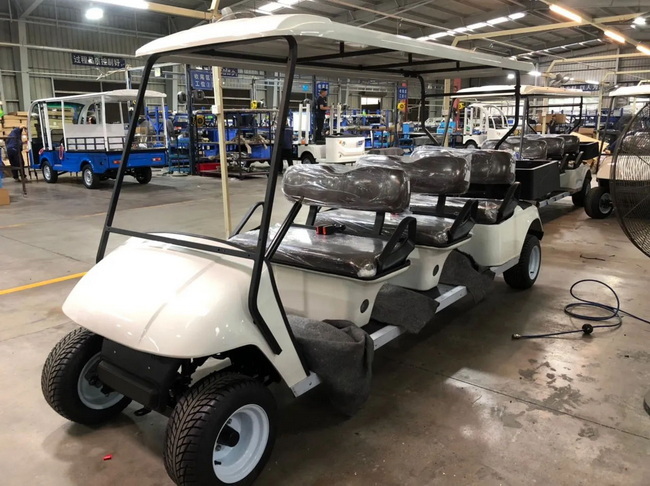
Even though the golf course is the original home of the golf car, Club Car products are now common in many non‑golf environments. Residential communities use these vehicles for neighborhood commuting, errands, and social visits, taking advantage of their quiet operation and low operating cost. Resort properties rely on Club Car golf carts to move guests, staff, and luggage smoothly across large grounds.
In industrial or commercial settings, utility‑oriented Club Car golf carts are outfitted with cargo beds, tool racks, and towing hitches to support maintenance crews, security teams, and event staff. Outdoor enthusiasts also choose lifted Club Car golf carts to access hunting stands, fishing spots, and campsites without the noise and bulk of a full‑size vehicle.
Buyers who pick a Club Car golf car often do so because the advantages align with long‑term ownership goals:
- Durable aluminum frame that resists rust and helps the golf car stay structurally sound for many years.
- Refined ride quality that feels comfortable over typical golf course paths and neighborhood streets.
- Strong reputation for reliability, which supports higher resale values compared with many lesser‑known brands.
- Broad dealer and service network, making it easier to find maintenance support, parts, and technical help.
- Extensive customization possibilities, ranging from mild personalization to aggressive off‑road or utility configurations.
All of these benefits combine to make a Club Car golf car a solid investment for both private owners and professional fleets looking for dependable transportation.
Despite its strengths, a Club Car golf car is not perfect for everyone, and there are a few trade‑offs to weigh before purchasing:
- Higher upfront price than many budget golf carts, especially when choosing premium trims or lithium battery packages.
- Genuine replacement parts and high‑end accessories can be more expensive, raising the long‑term cost of ownership.
- Some users note minor issues such as squeaks, bushing wear, or heavier steering in certain configurations, especially if maintenance is neglected.
For buyers focused solely on the lowest initial price, a basic imported golf car may appear more attractive. However, the combination of long‑term durability and resale value often tips the balance back toward Club Car for those thinking in terms of total cost of ownership across many years.
When evaluating Club Car against other major golf car manufacturers, several patterns tend to emerge. The aluminum frame is a major differentiator, giving Club Car an edge in corrosion resistance compared with many steel‑frame competitors. This feature matters in regions with salt air, frequent rain, or where the golf car is stored outside.
Ride quality and finish level also tend to be slightly more premium in Club Car golf carts than in many entry‑level golf cars from competing brands. On the other hand, some rival manufacturers offer lower base prices and may emphasize simplicity and ease of maintenance over premium materials. As a result, the choice often comes down to whether a buyer values long‑term refinement and durability or immediate savings.
Different buyer groups prioritize different features, and Club Car golf carts align especially well with certain profiles:
- Golf courses and resorts that need a fleet of reliable, easy‑to‑maintain vehicles and care about long‑term costs and guest comfort.
- Homeowners in golf communities or gated neighborhoods who want a quiet, polished golf car that doubles as everyday local transport.
- Property managers and institutions that require a sturdy utility vehicle capable of carrying tools, supplies, or passengers all day.
- Enthusiasts who enjoy customizing and upgrading their golf car platform with lifts, lights, and accessories.
Buyers who only need a golf car occasionally and have a very tight budget might lean toward a basic entry‑level cart. However, for those who view the golf car as an important daily vehicle, a Club Car golf car often represents a balanced blend of comfort, capability, and long‑term value.
From the perspective of an OEM‑focused manufacturer, Club Car sets a high standard in overall golf car design and integration. The careful balance of frame durability, performance, and comfort demonstrates how a well‑engineered golf car can serve different markets without sacrificing core reliability.
This benchmark influences how serious OEM suppliers design their own golf car platforms. Emulating the focus on corrosion resistance, suspension tuning, ergonomic controls, and modular accessory mounting points can help OEM manufacturers deliver golf car solutions that feel competitive with the leading brands. For global clients who require private‑label or customized electric vehicles, aligning product development with these high expectations is essential.
Anyone considering a Club Car golf car can benefit from a few practical shopping strategies:
- Define the main use: Decide whether the golf car will primarily stay on a course, run around a neighborhood, or handle utility work or off‑road use.
- Choose the right powertrain: Gas, traditional electric, and lithium each have advantages in range, maintenance, and performance, so match them to your driving pattern.
- Test drive different configurations: Comparing suspension feel, seat comfort, and steering response in person reveals how a particular golf car suits your preferences.
- Check local regulations: Some communities require specific equipment or licenses for golf cars and low‑speed vehicles, especially if they will operate on public roads.
- Consider total cost of ownership: Factor in purchase price, maintenance, electricity or fuel costs, and expected resale value rather than focusing only on initial cost.
These steps help ensure that the chosen Club Car golf car will meet expectations throughout its life and deliver the comfort and reliability associated with the brand.
Overall, Club Car golf carts are widely recognized as high‑quality, durable, and comfortable vehicles that perform well across golf courses, neighborhoods, resorts, and commercial properties. The aluminum frame, refined ride, strong performance options, and rich customization ecosystem all contribute to their reputation as a premium choice in the golf car world. While the initial price is usually higher than some competitors, many owners find that the long service life, strong resale value, and satisfying daily driving experience make a Club Car golf car a smart long‑term investment.
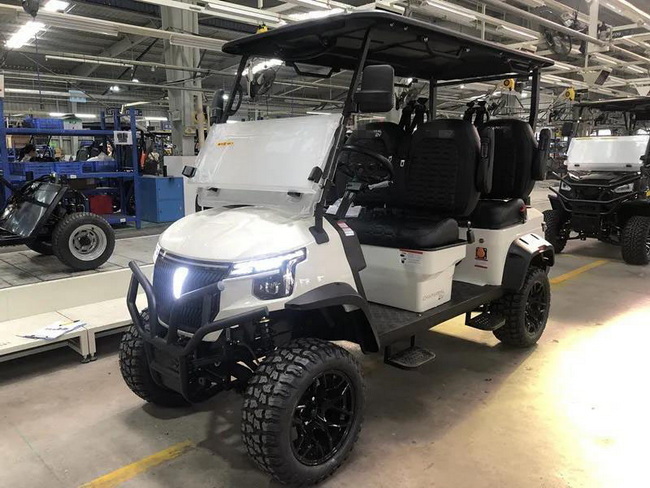
Yes. Club Car golf carts are known for reliable performance and long service life when maintained properly. The aluminum frame, solid drivetrain components, and well‑supported parts network help keep a Club Car golf car running smoothly for years.
With routine maintenance, it is common for a Club Car golf car to remain in service for many years, and often for several decades in less demanding environments. If cosmetic parts and wearable items are replaced on schedule, the underlying structure and core systems can stay usable far beyond the typical lifespan of a cheap entry‑level golf car.
For many buyers, the answer is yes, because the higher upfront cost often leads to lower costs over time. The combination of durability, comfort, performance, and resale value means a Club Car golf car can be more economical across its full life than a cheaper, shorter‑lived alternative that needs earlier replacement.
Gas configurations suit users who need maximum range and quick refueling, such as large properties with long routes. Traditional electric versions are ideal for quiet neighborhood use and golf courses, offering smooth, silent operation. Lithium‑powered Club Car golf carts provide fast charging, strong acceleration, lighter weight, and less day‑to‑day battery maintenance, but they cost more initially.
Absolutely. Many owners use Club Car golf carts for residential commuting, resort guest transport, security patrols, maintenance work, and outdoor recreation. With the right accessories—such as cargo beds, lift kits, all‑terrain tires, and enclosures—a Club Car golf car can handle a wide range of tasks beyond the fairway while still delivering a comfortable, controlled ride.


