


Views: 222 Author: Leah Publish Time: 2026-01-12 Origin: Site


Content Menu
● How an Electric Golf Cart Motor Works
● Early Warning Signs of a Failing Motor
● Major Symptoms That Point to a Bad Motor
>> Total Loss of Drive With Good Batteries
>> Severe Overheating and Strong Burning Smell
>> Loud or Unusual Noises From the Motor Area
>> Intermittent Operation and Dead Spots
● Components to Check Before Blaming the Motor
>> Wiring, Cables, and Connections
>> Motor Controller and Throttle Input
● Direct Motor Clues During Inspection
>> Visual and Physical Inspection
>> Manual Rotation and Bearing Feel
>> Electrical Clues and Basic Tests
● Repair Options: Rebuild or Replace?
● Preventive Maintenance for Longer Motor Life
● FAQ
>> 1. How do I know if my electric golf cart motor or batteries are the problem?
>> 2. Can I test an electric golf cart motor without removing it from the cart?
>> 3. Is it dangerous to keep driving with a weak or overheating motor?
>> 4. How often should an electric golf cart motor be serviced?
>> 5. Will upgrading my electric golf cart motor void my warranty or damage other parts?
An electric golf cart motor rarely fails suddenly; instead, it usually shows progressive signs such as loss of power, overheating, unusual noises, and intermittent movement long before it quits completely. By following a structured troubleshooting process, owners, fleet managers, and technicians can distinguish a bad motor from issues in batteries, wiring, solenoids, or controllers and make smarter repair or replacement decisions.
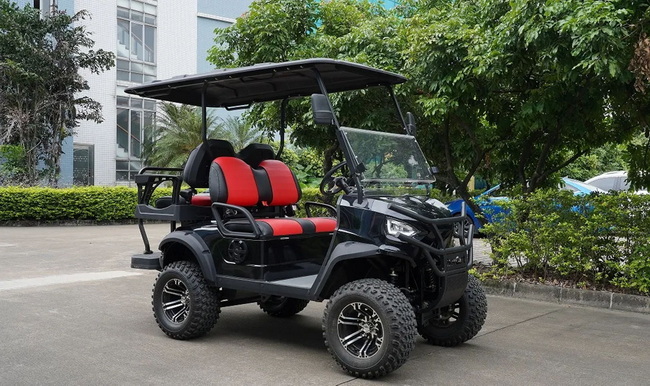
The motor in an electric golf cart converts electrical energy from the battery pack into rotational force that turns the wheels and moves the vehicle. It receives controlled power from a motor controller that responds to throttle input, while the solenoid works as a high‑current switch to connect and disconnect battery power to the driveline.
Most electric golf carts use DC motors designed for strong low‑speed torque and frequent stop‑and‑go use on golf courses, resorts, and private properties. These motors operate under high load, often in dusty or humid conditions, so they are vulnerable to heat buildup, worn brushes, and insulation breakdown over time.
Before an electric golf cart motor fails completely, it typically exhibits one or more warning symptoms. Paying attention to these early signs can prevent sudden breakdowns and more expensive damage to other components.
Common early warnings include:
- Gradual loss of power, especially on hills or with passengers.
- Sluggish acceleration and a noticeable drop in top speed on flat ground.
- Occasional jerking or hesitation when pressing the accelerator, even with charged batteries.
- Mild but recurring hot smell from the motor area after short drives.
If these symptoms appear and routine checks do not reveal obvious battery or wiring problems, the motor should be inspected sooner rather than later.
When an electric golf cart reaches the point where it is difficult or impossible to use, symptoms become more obvious and severe.
A classic sign of serious motor trouble is when the electric golf cart will not move at all despite fully charged batteries and a working charger. In some cases the solenoid can still be heard clicking and the controller powers up, but the cart refuses to move in either forward or reverse.
This kind of failure suggests that voltage is reaching the motor circuit, yet the motor is not converting that electrical energy into rotation. While the problem can still be in the controller or wiring, the motor becomes a primary suspect once other parts are tested.
A failing motor often runs excessively hot compared with normal operation. The housing may become extremely hot after modest driving, and in extreme cases a strong burnt electrical or plastic odor appears. This smell usually comes from overheated insulation, wiring, or internal motor components.
Running an electric golf cart in this condition risks permanent motor damage, failure of the controller, and even fire hazards inside or near the motor compartment. The cart should be stopped and allowed to cool before any further testing.
Healthy electric golf cart motors operate with a smooth, consistent sound that blends with gear and tire noise. When internal mechanical or electrical damage begins, new noises often appear:
- Grinding or rumbling sounds can indicate worn or damaged bearings inside the motor.
- High‑pitched squealing may come from dry bearings or misaligned internal parts.
- Crackling, buzzing, or sparking sounds may be caused by arcing at the brushes or commutator.
If these noises only occur when the motor is under load and disappear when coasting, the motor is more likely to be the source than other drivetrain parts.
Another pattern linked with a worn motor is intermittent behavior. The electric golf cart may:
- Move normally for a few seconds, then suddenly lose power or stop.
- Work after being parked or cooled down, then fail again once the motor warms up.
- Refuse to move until the accelerator is pressed repeatedly, as though the motor has “dead spots.”
These issues are often caused by worn brushes, poor brush spring tension, dirt in the motor, or internal connection problems that only show under certain positions of the armature.
Because so many electric golf cart problems originate outside the motor, a systematic inspection of the supporting electrical system is essential. Replacing a motor when the real fault lies in the batteries or cables is an expensive mistake.
Weak or failing batteries are the single most common cause of poor performance in an electric golf cart. Even a strong motor cannot produce power if the pack cannot supply sufficient voltage and current.
Key battery checks include:
- Fully charging the battery pack, then measuring total voltage and each individual battery.
- Looking for any battery with significantly lower voltage than the others, which may drag the entire pack down under load.
- Checking battery age; packs older than several years that show power loss are often at the end of their usable life.
If the cart struggles on hills, slows dramatically, or loses speed quickly after a short drive, the batteries should be evaluated before suspecting the motor.
High‑current cables and smaller control wires run from the batteries to the solenoid, controller, and motor. Corrosion, looseness, or damage along these paths can mimic motor failure.
Critical wiring checks include:
- Inspecting battery terminals for corrosion, melted plastic, or loose clamps.
- Examining motor and controller cables for fraying, broken lugs, heat damage, or green corrosion under the insulation.
- Cleaning and tightening all major connections with proper tools and using dielectric protection to slow future corrosion.
A surprising number of electric golf cart “no‑go” problems are solved simply by cleaning and securing connections, with no need for motor repair.
The solenoid is an electrically controlled switch that engages the high‑current path from the battery pack to the motor circuit when the key is on and the pedal is pressed. If it fails, the motor never receives power.
To evaluate solenoid behavior, it helps to:
- Listen for a distinct click each time the key is turned on and the pedal is pressed.
- Use a meter (if available) to confirm that voltage is present at the solenoid coil when the pedal is pressed.
- Check whether voltage passes through the high‑current terminals when the solenoid is energized.
A silent solenoid, or one that clicks but does not pass current, can entirely prevent an electric golf cart from moving while the motor itself remains healthy.
The motor controller interprets throttle input and modulates power to the motor. If it malfunctions, it can cause:
- Jerky or unpredictable acceleration.
- Sudden surges or complete cut‑outs while driving.
- Total lack of response when the pedal is pressed, even with good batteries and a working solenoid.
Some controllers have diagnostic lights or recorded fault codes that help identify internal problems. If the controller fails to deliver output power even though it has proper input voltage and throttle signal, the problem may not be in the motor at all.
Once supporting components have been eliminated as causes, a closer inspection of the motor itself can provide valuable information about its health.
With the electric golf cart safely powered down and the main battery connection disconnected, examine the motor housing and terminals.
Look for:
- Burn marks, melted insulation, or discolored paint on or around the motor case.
- Loose, cracked, or corroded cable lugs at the motor terminals.
- Dirt, mud, or debris packed around the case that could trap heat.
Light corrosion at terminals is often easy to fix, but heavy discoloration and heat damage on the housing can signal prolonged overheating.
If the motor can be safely accessed and the cart is supported so the wheels are off the ground, gently turning the motor shaft (or wheels connected to it) can reveal mechanical problems.
Signs of trouble include:
- Roughness, grinding, or tight spots when turning by hand.
- Free play or wobble in the shaft suggesting worn bearings.
- Resistance that feels uneven or notchy even when cables are disconnected.
A smooth, even rotation usually means the bearings and mechanical parts are still in reasonable shape, though it does not guarantee good electrical condition.
Even without performing complex bench tests, basic observations can hint at internal motor issues:
- A motor that draws high current but produces little torque may have internal shorts.
- A motor that receives full pack voltage yet does not spin at all may have an open circuit in its windings or connections.
- Heavy sparking from the brush area combined with poor performance often indicates severely worn brushes or a damaged commutator.
Because improper testing can damage components, owners who are not comfortable with electrical measurements should seek professional support.
If the electric golf cart motor is determined to be the root cause of the problem, the next decision is whether to rebuild or replace it.
Rebuilding is often attractive when the motor housing is intact and the primary problems are wear‑related. Typical rebuild services may include:
- Replacing brushes and brush springs to restore good electrical contact.
- Installing new bearings to eliminate noise, friction, and vibration.
- Cleaning and resurfacing the commutator and inspecting internal windings.
For many standard fleet and personal‑use electric golf carts, a quality rebuild can restore performance at a lower cost than a brand‑new motor.
Replacement becomes the better choice when:
- The windings are badly burned or shorted.
- The housing or shaft is cracked, warped, or otherwise structurally damaged.
- The motor has suffered repeated overheating or has already been rebuilt multiple times.
A new motor also provides a chance to choose a different performance profile. High‑torque motors improve hill‑climbing and hauling ability for hunting vehicles, resort shuttles, and utility carts, while some high‑speed motors prioritize top‑end velocity on relatively flat terrain.
Good maintenance habits can significantly extend the service life of an electric golf cart motor and reduce the risk of sudden failure.
Effective practices include:
- Keeping the battery pack healthy with correct charging, avoiding deep discharges whenever possible.
- Cleaning corrosion from terminals and checking cables regularly.
- Avoiding constant full‑throttle driving up steep hills with heavy loads, which creates intense heat in the motor.
- Scheduling periodic inspections at a professional shop, especially for commercial fleets that run many hours per day.
By treating the entire electric golf cart electrical system as a unit instead of focusing only on the motor, owners can maintain consistent performance and reliability for years.
A failing electric golf cart motor rarely appears out of nowhere; it develops through a chain of mechanical wear, heat stress, or electrical faults that usually give clear symptoms such as power loss, overheating, strange noises, and intermittent movement. By checking batteries, wiring, solenoids, and controllers first, owners can avoid misdiagnosis and confirm whether the motor itself is truly at fault.
Once a bad motor is identified, understanding the difference between repair, rebuild, and replacement helps control costs and match performance to the cart's real‑world use. Combined with smart preventive maintenance, this approach keeps an electric golf cart running smoothly, reduces downtime for fleets, and ensures a safer, more enjoyable driving experience on courses, campuses, and private properties.
If the cart slows down quickly, struggles on hills, or shows low voltage after charging, the batteries are often to blame. When the pack is strong yet the cart will not move or shows severe mechanical symptoms like grinding and burning smells, the motor is more likely to be the issue.
Basic checks such as listening for noises, measuring voltage at the motor terminals, and observing how the cart behaves under load can be done with the motor installed. More advanced electrical tests may require disconnecting cables or removing the motor, which is best handled by trained technicians if you are not experienced.
Yes, continuing to drive with a motor that frequently overheats, smells burnt, or makes loud abnormal noises can lead to complete failure and may even damage the controller or wiring. It can also create safety risks if the motor fails while crossing roads or climbing steep paths.
There is no single schedule for every cart, but heavy‑duty or commercial electric golf carts benefit from professional inspection at least once a year. Light personal‑use carts may go longer, but they should still be checked whenever power loss, unusual noises, or overheating appear.
Upgrading to a more powerful motor can improve torque or speed, but it may also stress the controller, batteries, and drivetrain if those components are not matched to the new motor. Before upgrading, it is wise to check warranty terms and consult with a specialist to ensure that the controller, cables, and battery pack can handle the increased demands.


